Motorradmuseum Review
The Motorradmuseum in Zschopau, Germany, is a specialized institution dedicated to the rich heritage of motorcycle manufacturing and.
The Motorradmuseum in Zschopau, Germany, is a specialized institution dedicated to the rich heritage of motorcycle manufacturing and.
Best forScience, technology, hands-on learning
Review focusMotorcycle collections, heritage, and visitor planning
Historical Context
The Motorradmuseum in Zschopau, Germany, is a specialized institution dedicated to the rich heritage of motorcycle manufacturing and culture, particularly emphasizing the legacy of the region’s historical contribution to the motorcycling industry. Zschopau, situated in the former East Germany, has long been a significant hub for motorcycle production, notably linked with iconic brands that shaped both local industry and global motorcycling history. The museum’s focus on motorcycles as symbols of engineering, design evolution, and cultural shifts reflects the deep-rooted tradition of two-wheeled transportation in this area. Established to preserve and showcase this legacy, the Motorradmuseum offers visitors an insight into decades of technological advancements, highlighting models that range from early mechanical prototypes to more refined, mass-produced machines. The institution not only serves as a tribute to past achievements but also presents the ongoing story of motorcycle innovation within the context of German craftsmanship and international influence.
What You See on Arrival
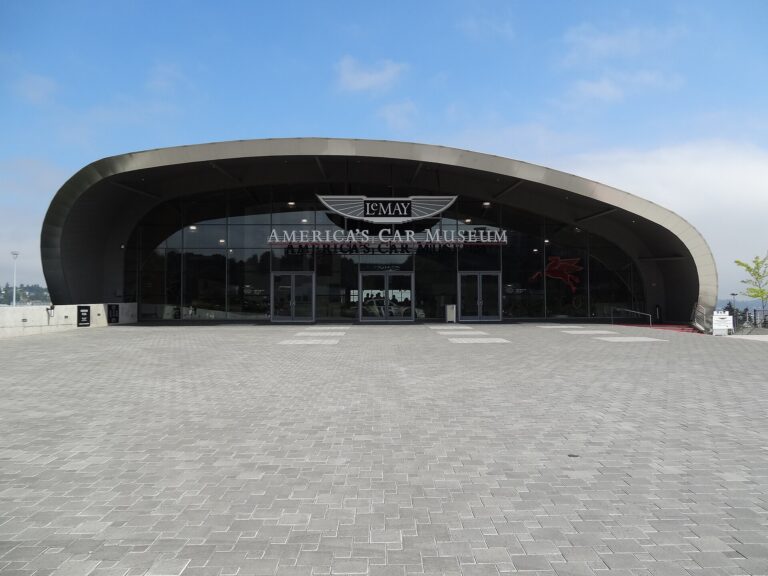
Upon approaching the Motorradmuseum, visitors are met with a structure that combines industrial simplicity and functional design, characteristic of the region’s utilitarian architectural heritage. The glass and metal façade provides a hint of modernity while maintaining a subtle nod to the working-class origins of motorcycle manufacturing in Zschopau. Outside, there may be a display of classic motorcycles or informational placards that set the tone for the visit, introducing the historical importance of the region and the vehicles prominently featured inside. The entrance leads directly into a spacious foyer where visitors prepare to embark on a curated journey through motorcycling history. Clear signage aids navigation from the outset, a crucial aspect given the museum’s focused thematic scope. The initial atmosphere is one of anticipation, with the design of the entry area aligning well with the industrial and mechanical exhibits to follow.
Highlights and Key Exhibitions
The heart of the Motorradmuseum lies in its comprehensive collection of motorcycles and related artifacts, spanning the formative years of motorized two-wheelers to more contemporary models. Among the standout pieces are several pioneering motorcycles that marked milestones in engineering, bearing significant historical value due to either their rarity or technological pioneering features. The museum favors a chronological or thematic display strategy, guiding visitors through phases of innovation interwoven with contextual information about the socio-economic impact of motorcycling. This approach illuminates how motorcycles evolved from practical machines for everyday transportation to symbols of cultural identity and sport. Additional exhibits delve into the craftsmanship behind each model, featuring engine designs, chassis constructions, and aesthetic details. The inclusion of informative panels and multimedia presentations enriches the narrative, providing depth to the static displays. Enthusiasts will appreciate the breadth of motorcycle brands and models from various eras, as well as the emphasis on regional manufacturers that contributed significantly to the industry’s development.
Visitor Experience
The Motorradmuseum offers a visitor experience that appeals to both motorcycle enthusiasts and those interested in industrial history or design. The exhibition spaces are laid out to allow for both close inspection of the machines and the opportunity to understand their broader historical context. Lighting is thoughtfully implemented to highlight the motorcycles without glare, ensuring that subtle design details and mechanical features are easily visible. The museum also pays attention to the ergonomic flow of movement, with clear pathways that encourage a logical progression through the exhibits. While the collection’s specialized nature may require some background knowledge for full appreciation, the museum’s carefully crafted interpretative materials and guided tours provide adequate support for casual visitors. However, some displays rely heavily on text, which may appear dense to those less familiar with the subject matter. Audio guides or mobile app support, if available, could enhance accessibility further but are not universally noted as part of the current visitor offering. The atmosphere is largely reflective and respectful of the object subjects, with occasional opportunities to engage through interactive features or themed exhibition spaces.
Tickets, Access, and Planning
Access to the Motorradmuseum is generally straightforward, with details on opening hours and ticket pricing available through official channels, providing potential visitors with up-to-date logistical arrangements. Located within easy reach of the town center of Zschopau, the museum is accessible by car and public transportation, accommodating a variety of visitor preferences. Parking options immediately adjacent to the museum facilitate visits by road, although travel times may vary depending on broader transit schedules in the region. The ticketing system is uncomplicated, offering single-entry passes with possible concessions for groups, students, or seniors. Advance online booking is recommended during peak seasons or weekends to ensure entry and avoid queues. The museum strives to be accessible to visitors with mobility challenges, with barrier-free entry points and provisions for wheelchair users, although some older exhibits in the building’s structure may be less easily adaptable to these needs. Adequate signage both inside and outside the museum assists navigation, while amenities such as restrooms, seating areas, and possibly a small café or gift shop contribute to visitor comfort during the visit.
Final Verdict
The Motorradmuseum in Zschopau stands as a commendable institution dedicated to the preservation and celebration of motorcycling history, particularly within its regional context. Its collection, spanning pioneering motorcycles to significant industrial artifacts, presents a focused and well-curated narrative that speaks to the evolution of motorcycle technology and culture. The museum succeeds in combining technical depth with accessible storytelling, though a certain level of prior interest in motorcycles enhances the visitor experience. Architecturally and atmospherically, the museum creates a suitable environment that complements the mechanical exhibits without overwhelming them. Its visitor facilities meet essential needs, and its location enables practical access for a variety of travelers. While minor opportunities for increased interactivity or digital engagement could enhance the appeal for a broader audience, the museum remains a valuable destination for those intrigued by industrial heritage and motorcycling tradition. The Motorradmuseum is a notable player in Germany’s rich museum landscape, providing insight into an often underrepresented facet of automotive history that is both regionally grounded and internationally relevant.