Moscow Kremlin Museums Review
The Moscow Kremlin Museums occupy a unique position, presenting not just a collection of art and artifacts, but an ensemble that embodies the political and cultural heart of Russia for centuries. This museum complex offers insight into the…
The Moscow Kremlin Museums occupy a unique position, presenting not just a collection of art and artifacts, but an ensemble that embodies the political and cultural heart of Russia for centuries. This museum complex offers insight into the…
Best forMuseum lovers, culture travelers, first-time visitors
Review focusCollections, visitor experience, and practical planning
The Moscow Kremlin Museums occupy a unique position, presenting not just a collection of art and artifacts, but an ensemble that embodies the political and cultural heart of Russia for centuries. This museum complex offers insight into the country’s imperial, religious, and state history through its architecture and contents, drawing visitors into multiple historic layers. Known for the Kremlin’s imposing fortifications and treasures, the museums guide visitors through a dense narrative told by crowns, religious icons, weaponry, and state regalia. For those seeking a museum experience that intertwines art, history, and architecture on a grand scale, the Moscow Kremlin Museums deliver an extensive if complex visit. However, navigating the breadth of the site and understanding its many components requires some preparation and mindset, especially given the rich historical weight and the formal presentation style favored here.
Historical Context
Situated in the heart of Moscow, the Kremlin has been a political and religious center since its establishment in the late Middle Ages. The Moscow Kremlin Museums preserve this legacy by maintaining and displaying elements that stretch back to the 12th century when the Kremlin first appeared as a wooden fortress. Over the centuries, it transformed into an imposing complex of palaces, cathedrals, and military structures—a symbol of Russian statehood and Orthodox Christianity.
Today, the museum complex encompasses several historic buildings including the Grand Kremlin Palace, the Armoury Chamber, and several cathedrals like the Assumption and Annunciation. The museums collectively tell stories about Russia’s Tsarist rulers and Soviet power through their objects and permanent exhibitions. The Armoury is particularly renowned for its rich collection of arms and armor, ceremonial regalia, Russian carriages, and Fabergé eggs, providing not just a glance at wealth and power, but also craftsmanship through centuries. Meanwhile, the cathedrals preserve invaluable religious art and artifacts linked to the Orthodox Church, bearing witness to the ideological and spiritual forces that shaped Russia’s identity.
What You See on Arrival
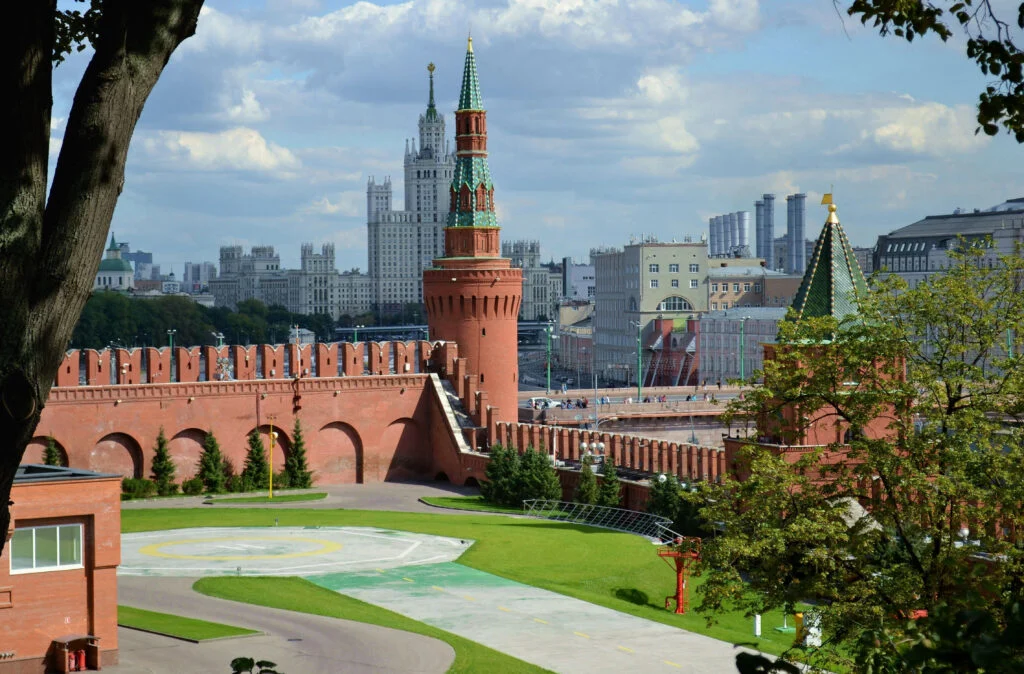
The entry into the Kremlin grounds sets the tone: a monumental compound embodying state authority and historic continuity. Visitors encounter solid Kremlin walls and towers framing a walk steeped in history before reaching individual museum sites. The complex functions somewhat like a city within a city, with each museum institution offering different but interconnected narratives. The atmosphere is formal and regulated, reflecting the official stature of the Kremlin itself.
Initial views tend to focus on the exteriors of palatial buildings and gold-domed cathedrals. This architectural grandeur establishes context for the artifacts and artworks inside. The Kremlin’s layout requires visitors to move between designated entry points and various sections inside the compound, so arrival involves some navigation. Access is controlled and security procedures are strict, emphasizing the dual identity of the site as both a working government residence and historic monument.
Highlights and Key Exhibitions
The Moscow Kremlin Museums hold a wide-ranging collection that reflects Russia’s cultural and political development from the medieval era to modern times. Among these treasures, the Armoury Chamber tends to attract considerable attention due to its depth and variety of exhibits. Visitors will encounter ceremonial garments, such as ornate royal robes and military uniforms, alongside intricately crafted arms and armor for both protection and display.
Moreover, the Armoury houses extraordinary items like the famed Fabergé eggs, which showcase the exquisite craftsmanship of Russian jewelers connected to the last imperial family. There are also examples of Russian state regalia, including crowns, scepters, and thrones that symbolize continuity of power.
The cathedrals within the Kremlin present significant religious art collections, including icons that are pivotal to Orthodox worship and Russian artistic heritage. The Assumption Cathedral, known for its frescoes, icons, and religious artifacts, illustrates the spiritual heart of the Russian Orthodox Church, while the Annunciation Cathedral and Archangel Cathedral hold princely tombs and further religious treasures.
Beyond art and artifacts, the museums include displays of historic carriage collections and domestic objects from Russian rulers’ lives. These exhibits provide a nuanced insight into the personal and ceremonial aspects of Russia’s monarchy and elite culture.
The Grand Kremlin Palace occasionally features exhibitions showcasing its architectural history and residential functions. While it remains the official ceremonial residence of the President of Russia, parts of the palace open to the public for detailed viewing of imperial halls with rich interiors that reflect historic phases of the Kremlin’s use.
Visitor Experience
Navigating the Moscow Kremlin Museums can be challenging for those unprepared for the complex’s physical layout and the scope of its collections. The site itself is extensive, dispersed across multiple buildings that are not always immediately connected. This means visitors must plan for moving between exhibition halls and outdoors while allowing time for ticketing and security screenings.
Interpretation within the museums leans toward formal presentation, with detailed labels and curated narratives focusing on the state and religious significance of the collections. This style suits visitors with a particular interest in Russian history, political symbolism, and Orthodox traditions but may be dense for casual audiences or those expecting a more interactive or thematic approach.
The museums appeal to a wide range of visitors including history enthusiasts, students of art and religion, and anyone interested in Russian statecraft and cultural heritage. However, the experience requires some patience and attention to fully appreciate the depth of information and symbolism embodied in the collections and architecture.
The Moscow Kremlin Museums do not focus heavily on multimedia or interactive technologies in their exhibitions, which limits engagement for some modern museum-goers but preserves the solemnity and gravity appropriate to the subject matter. Outside during transit between buildings, there is limited shelter, so weather conditions can impact comfort.
Tickets, Access, and Planning
Visitors should be aware that admission to the Moscow Kremlin Museums and its various sites involves separate ticketing arrangements depending on which parts of the complex they want to access. For example, entry to the Armoury Chamber typically requires a distinct ticket from entrance to the Kremlin grounds or cathedral complex. Detailed, up-to-date information about opening hours, ticket prices, and visitor regulations should be obtained directly from the official museum website before planning a visit.
Given the museums’ status and security considerations, expect controlled entry procedures and possible queues during busy seasons. Visitors intending to see multiple sections of the Kremlin museums may need to allocate several hours or split visits due to the size and complexity of the compound.
Travelers should also consider that the Moscow Kremlin Museums are located centrally, making them accessible by public transport, though parking options in the area are limited. The museum’s historic architecture and urban setting may present challenges for visitors requiring mobility accommodations, so those with accessibility needs are advised to seek current guidance from official sources.
Final Verdict
The Moscow Kremlin Museums offer an extraordinary glimpse into Russian history where art, religion, and power intersect in a setting unlike most other museums. Their collections and sites present an authoritative view of Russia’s imperial and Orthodox Christian traditions, housed in buildings that themselves are historic artifacts. This makes the museums valuable for anyone deeply interested in Russian culture, political history, and ecclesiastical art.
At the same time, the scale and formal presentation style can pose barriers for visitors with limited time or those used to more contemporary museum experiences that employ interactive or multimedia components. The site requires logistical attention and a readiness to engage with complex narratives that unfold across numerous buildings within an active state complex.
For these reasons, the Moscow Kremlin Museums are best approached with research and planning, focusing on key areas of interest and allowing adequate time to absorb their layered histories. Those who do so will find a rich, if disciplined, cultural experience that reflects the monumental legacy of the Russian state and its spiritual heritage. Readers aiming to visit should consult official resources for current information on tickets, hours, and visitor services to ensure a smooth and informative trip.