Montana Law Enforcement Museum Review
The Montana Law Enforcement Museum, located in Deer Lodge, United States, is a distinctive institution dedicated to exploring the.

The Montana Law Enforcement Museum, located in Deer Lodge, United States, is a distinctive institution dedicated to exploring the.
Best forScience, technology, hands-on learning
Review focusExhibits, interpretation, visitor flow
Historical Context
The Montana Law Enforcement Museum, located in Deer Lodge, United States, is a distinctive institution dedicated to exploring the history and evolution of law enforcement within the state of Montana. It serves as a comprehensive repository that honors the sacrifices, challenges, and developments faced by law enforcement officers over the years. The museum reflects the rugged and often perilous nature of policing in Montana, a state characterized by vast wilderness, small communities, and a unique social and cultural landscape. It is designed not only as a tribute to those who have served but also as an educational resource for the public to better understand the complexities and crucial role of law enforcement in maintaining public safety and order. The museum's collections span from the early days of territorial law enforcement through more modern developments, providing visitors with a nuanced perspective on how policing practices have evolved in response to shifting legal, social, and technological contexts.
What You See on Arrival
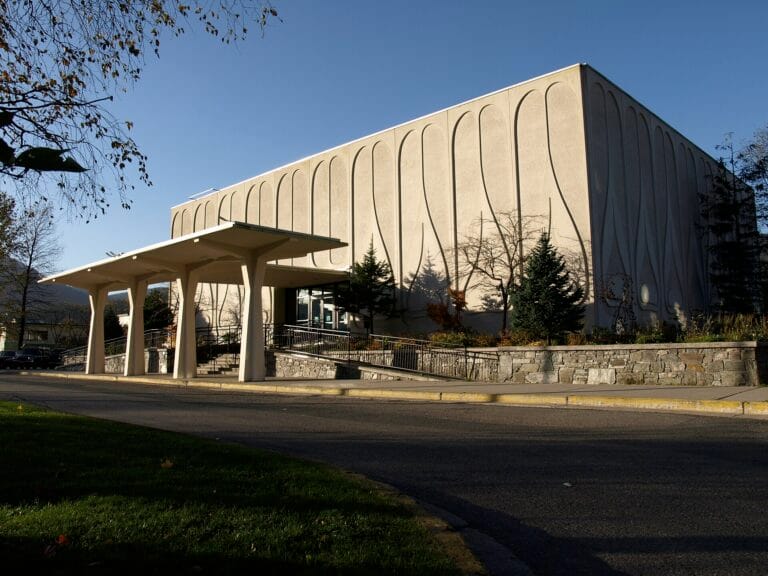
Upon approaching the Montana Law Enforcement Museum, visitors are greeted by a modest yet historically evocative exterior that fits well into the architectural character of Deer Lodge. The building’s design incorporates elements that evoke both dignity and solemnity, establishing an immediate sense of respect for the institution’s mission. The entrance area is welcoming, with clear signage and informative displays introducing the visitor to the museum’s focus. Inside, the layout is well-organized with a clear progression that guides visitors through different temporal and thematic sections. The atmosphere balances a reverence for the serious subject matter with an approachable tone, which is important in engaging a diverse audience—from law enforcement professionals and historians to students and families curious about the profession’s history and present-day realities. The initial lobby also features memorabilia and some cases that offer a glimpse of the variety and depth of the exhibits housed within.
Highlights and Key Exhibitions
The core of the Montana Law Enforcement Museum’s appeal lies in its meticulous curation of artifacts and exhibits that trace the development of law enforcement in Montana. Key exhibitions provide an in-depth look at significant historical milestones as well as daily operational aspects of policing. One prominent section details the origins of the Montana Territorial Police and the challenges faced in taming frontier conditions, lawlessness, and the integration of mounting legal frameworks. Another key exhibit focuses on the evolution of equipment and forensic science, demonstrating how technological advances have transformed investigations and crime-solving methods over time.
Notably, the museum’s arms and uniforms collection stands out for its breadth and preservation, showcasing everything from early firearms and batons to modern tactical gear. Alongside these are personal stories and commemorative displays honoring officers who made the ultimate sacrifice, adding a poignant and human dimension to the narrative. Further exhibits explore specific themes such as mounted units, the role of women in Montana law enforcement, and the impact of legislation on policing strategies and community relations.
The museum also incorporates interactive components designed to foster deeper understanding, including simulators and educational installations that explain procedural facets like fingerprinting and dispatch operations. Although predominantly focused on Montana, the contextualization of broader national trends and their local impacts provides valuable insight into how regional nuances shape law enforcement strategies.
Visitor Experience
The visitor experience at the Montana Law Enforcement Museum is thoughtfully crafted to be both educational and respectful. The exhibition pathways are logical and easy to navigate, supported by ample informative plaques and multimedia presentations that cater to varying levels of prior knowledge. The museum strikes a commendable balance between providing factual history and honoring the individuals behind the badges without veering into sensationalism or undue glorification.
Educational programs and resources are available for school groups, making the museum an excellent destination for student visits that aim to combine history, civics, and social studies. Family visitors will appreciate the approachable presentation style and interactive exhibits, which maintain interest across age groups. The staff are described as knowledgeable and welcoming, ready to answer questions and provide context, enhancing the overall engagement.
Some visitors might find the museum’s tone quite somber due to the nature of the subject matter, but this is appropriate given the respect owed to law enforcement personnel. Moreover, the museum is careful to contextualize the more intense or tragic elements within broader discussions about community service, public safety, and evolving legal norms, preventing any sense of distress overwhelming the educational value.
Tickets, Access, and Planning
Planning a visit to the Montana Law Enforcement Museum is straightforward. The museum is situated in Deer Lodge, a town accessible by road and providing adequate parking facilities. Public transport options, while limited due to the region’s rural nature, are supplemented by local taxis and rideshare services. The building is designed to be accessible to visitors with mobility impairments, with ramps, elevators, and spacious galleries ensuring ease of movement throughout the exhibitions.
Admission pricing is reasonable, especially given the specialized nature of the museum. Discounts are often available for seniors, students, and groups, encouraging broader community engagement. The official website offers up-to-date information on opening hours, ticket costs, and any visitor advisories. It is recommended to check ahead for any special events or educational programs that may influence hours or accessibility.
Visitor amenities include a small café and a gift shop that offers a range of memorabilia, educational materials, and books related to law enforcement history. Restroom facilities and seating areas are well maintained, enhancing visitor comfort during longer tours.
Final Verdict
The Montana Law Enforcement Museum stands as a well-curated and meaningful institution that effectively balances historical scholarship with heartfelt tribute. Its focused mission to celebrate and contextualize Montana’s law enforcement history fills an important niche, offering insights that are both regionally specific and broadly educational. Through comprehensive collections, respectful storytelling, and thoughtful engagement strategies, the museum succeeds in portraying the challenges and contributions of law enforcement officers with honesty and nuance.
While the subject matter may inherently carry a serious tone, the museum manages to remain accessible and engaging for a varied audience, from academic researchers to casual visitors. The institution’s educational outreach and interactive exhibits further enhance its appeal, making it suitable for family visits and school groups alike. Practical considerations related to access, ticketing, and visitor services are handled efficiently, ensuring a smooth and comfortable experience.
In sum, the Montana Law Enforcement Museum is highly recommended for anyone interested in understanding the pivotal role law enforcement has played in shaping Montana’s history and community life. It stands out not only as a tribute to the past but also as a valuable educational resource that encourages ongoing reflection on the nature of law enforcement in society today.