Louwman Museum Review
Automobile Museums · The Hague, Netherlands. The Louwman Museum in The Hague, Netherlands, stands as a unique institution dedicated predominantly to the history of the automobile. Its foundation can be traced back to the private collection of two Dutch brothers,…
Automobile Museums · The Hague, Netherlands. The Louwman Museum in The Hague, Netherlands, stands as a unique institution dedicated predominantly to the history of the automobile. Its foundation can be traced back to the private collection of two Dutch brothers,…
Best forScience, technology, hands-on learning
Review focusVehicle collections, design history, and visitor planning
Historical Context
The Louwman Museum in The Hague, Netherlands, stands as a unique institution dedicated predominantly to the history of the automobile. Its foundation can be traced back to the private collection of two Dutch brothers, who began amassing vehicles and automobilia in the early 20th century. This personal passion gradually evolved into a public museum that showcases the development of automotive design and engineering from the industry’s inception to the present day. The museum is notable not only for the breadth and depth of its collection but also for its focus on the cultural and technological narratives embedded within the automobile’s evolution. Delivering more than a mere assembly of cars, the Louwman Museum offers a compelling journey through the socioeconomic and aesthetic transformations that have influenced automotive history. Situated in a country with a longstanding relationship to design and innovation, the museum complements the broader cultural context of The Hague and the Netherlands, contributing significantly to the global understanding of mobility’s role in modern society.
What You See on Arrival
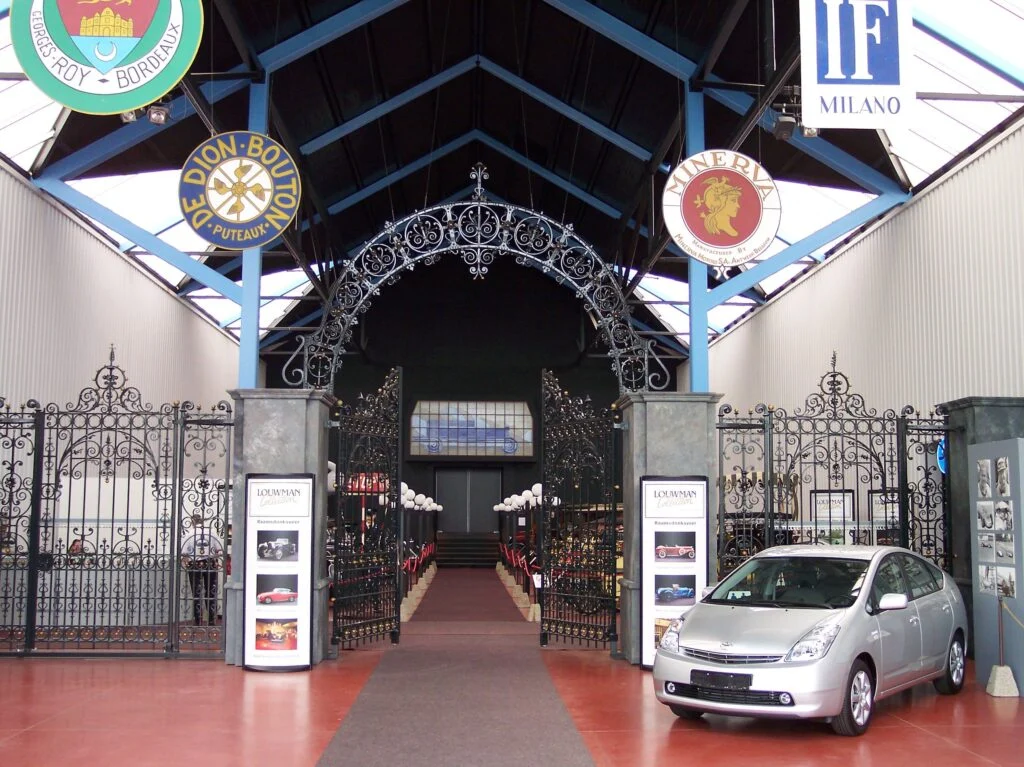
Upon arrival at the Louwman Museum, visitors are immediately struck by the building’s elegant architectural design, which blends contemporary elements with classical touches. This understated façade sets an anticipatory tone for the visit, suggesting a space where tradition and innovation coexist. Visitors first encounter a spacious and well-lit entrance hall, providing a welcoming atmosphere before proceeding into the heart of the galleries. The layout is designed to guide the visitor naturally through the chronological display of automobiles, ensuring clarity and ease of navigation. The museum’s exterior also includes neatly maintained grounds and parking facilities, which aid in accessibility. Signage is clear and multilingual, assisting international visitors in orienting themselves. Immediate visual cues hint at the museum’s core focus, with vintage cars visible through large windows and reproduced historical images decorating the foyer, creating a sense of continuity between past and present.
Highlights and Key Exhibitions
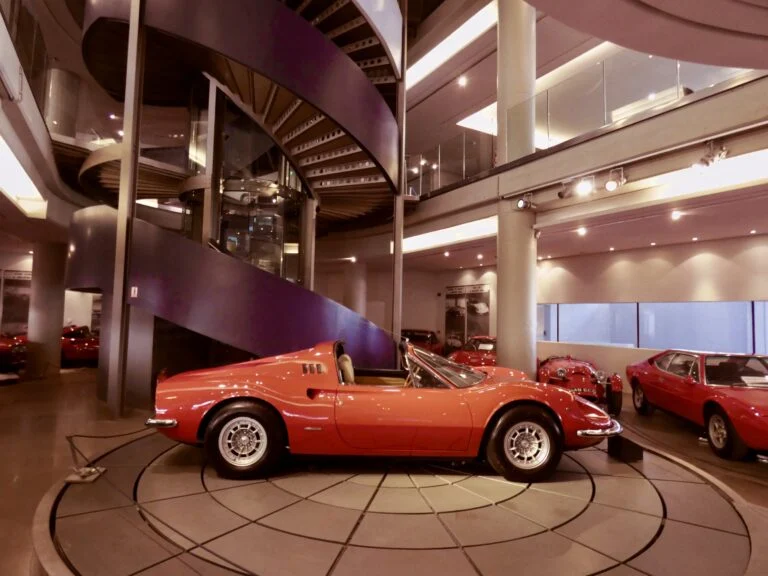
The Louwman Museum excels in curating an extensive collection featuring over 250 vehicles that represent the history, design, and technological innovation of automobiles over more than a century. Among its key exhibitions are some of the earliest automobile models, including rare and meticulously restored vintage cars from Europe and the United States. These vehicles offer insight not only into early engineering but also into the social contexts in which personal transportation evolved. The museum houses remarkable examples from distinguished marques such as Rolls-Royce, Bugatti, and Ford, each chosen to demonstrate pivotal moments in automotive design and performance.
Another highlight is the museum’s dedicated sections to special themes, such as the evolution of racing cars and pioneering developments in electric and hybrid vehicles. These segments not only display impressive machines but are often accompanied by explanatory panels that delve into technological advancements and their impact. Additionally, the collection includes vehicles that have cultural significance beyond their mechanical merits, showing how automobiles interfaced with art, fashion, and international politics. The museum’s careful curation ensures that exhibits appeal to both automobile enthusiasts and those interested in broader historical and societal perspectives.
Visitor Experience
The layout and presentation of exhibits at the Louwman Museum are carefully crafted to maximize educational value while maintaining visual appeal. The spacious galleries allow visitors to view vehicles from multiple angles, appreciating design details that might otherwise be overlooked. Lighting is thoughtfully arranged to highlight the craftsmanship and aesthetic qualities of each vehicle without causing glare or detracting from the overall ambiance. Informative plaques and multimedia displays complement the physical exhibits by providing context, including historical background, technical specifications, and anecdotes related to the vehicles on display.
The museum’s staff is reportedly knowledgeable and responsive, contributing to a welcoming environment where information can be readily obtained. Audio guides are available and can significantly enhance the visitor experience by offering a narrated journey through the museum’s themes and collections. For families and younger visitors, there are interactive elements and educational programs designed to engage a wider audience, although the primary focus remains on historical exposition rather than play-oriented activities. The museum shop offers a curated selection of books, models, and memorabilia, extending the visitor’s connection to the museum’s themes beyond the visit itself.
Tickets, Access, and Planning
Admission to the Louwman Museum is reasonably priced, with discounts available for seniors, students, and children, making it accessible to a broad audience. Group bookings and guided tours can be arranged in advance, which is advisable for those seeking a more in-depth understanding or visiting with specific interests. The museum’s official website provides up-to-date information on opening hours, ticket prices, and any special considerations, ensuring that planning a visit is straightforward.
In terms of accessibility, the museum is well-equipped to accommodate visitors with mobility challenges. Elevators and ramps are strategically placed, and seating areas are available throughout the galleries to allow for comfortable pacing. Public transportation options to the museum are convenient, with bus and tram stops located nearby. On-site parking is sufficient for private vehicles, including spaces designated for those with disabilities. Visitors are encouraged to allocate several hours to fully appreciate the museum’s extensive collection, and there are cafés and rest areas within the facility to support longer visits without fatigue.
Final Verdict
The Louwman Museum in The Hague is a distinguished institution that appeals to a wide range of visitors, from automotive experts to cultural historians and casual tourists interested in the story of mobility. Its strength lies in the comprehensive nature of its collection, the clarity of its narrative, and the quality of its presentation. The museum successfully balances technical detail with broader cultural significance, providing a multi-dimensional exploration of the automobile’s impact on society. The visitor experience benefits from thoughtful design, helpful staff, and accessibility considerations, making it a welcoming space for both local and international guests.
While the museum is a must-visit for automobile enthusiasts, it also serves as an enlightening cultural destination for those curious about the intersection of technology, design, and social history. Although the permanent collection is the core attraction, the museum’s careful curation ensures continual engagement without relying on fleeting exhibitions. For anyone interested in the legacy of the automobile, the Louwman Museum offers an immersive, informative, and aesthetically pleasing experience that is unlikely to disappoint.