Kongernes Samling Amalienborg Review
Royal Museums · Copenhagen, Denmark. Kongernes Samling Amalienborg, located in the heart of Copenhagen, Denmark, is a distinguished institution dedicated to celebrating the legacy of the Danish monarchy. The museum's collection is housed within the historic Amalienborg Palace, w…
Royal Museums · Copenhagen, Denmark. Kongernes Samling Amalienborg, located in the heart of Copenhagen, Denmark, is a distinguished institution dedicated to celebrating the legacy of the Danish monarchy. The museum's collection is housed within the historic Amalienborg Palace, w…
Best forArchitecture, royal history, heritage
Review focusCollections, visitor experience, and practical planning
Historical Context
Kongernes Samling Amalienborg, located in the heart of Copenhagen, Denmark, is a distinguished institution dedicated to celebrating the legacy of the Danish monarchy. The museum's collection is housed within the historic Amalienborg Palace, which has served as the royal residence since the 18th century. This site represents a critical chapter in Denmark’s national narrative, encapsulating centuries of royal heritage, politics, and culture. Over time, the palace itself has witnessed pivotal moments in Danish history, from state ceremonies to transformative social changes. The museum was established to preserve and showcase the personal artifacts, ceremonial objects, and royal memorabilia that span a rich period from the Renaissance through to the modern constitutional monarchy. Among these treasures are finely crafted furniture, exquisite porcelain, portraits, and regalia that narrate the evolving role of Denmark’s kings and queens. By engaging with these objects, visitors gain insight into how the monarchy has shaped not only Denmark’s identity but also its diplomatic and cultural footprint in Europe.
What You See on Arrival
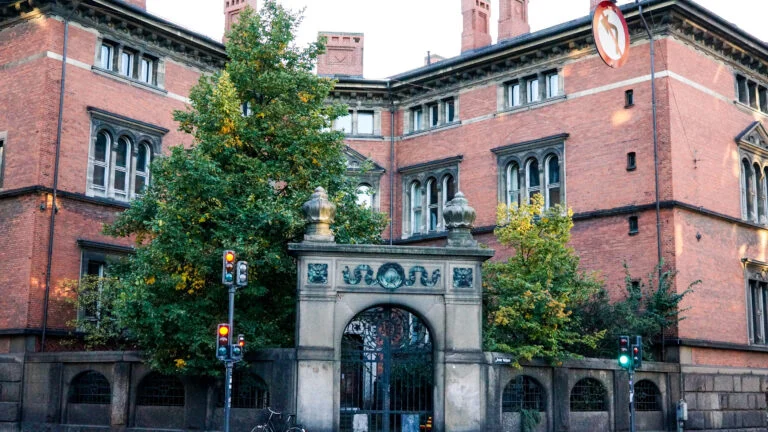
Approaching Kongernes Samling Amalienborg, visitors are immediately struck by the grandeur of the palace square, one of the finest examples of Rococo architecture in Copenhagen. The symmetrical layout of the four identical palaces surrounding the large plaza presents an imposing and orderly aesthetic. At the center stands the equestrian statue of King Frederik V, a symbolic focal point that commemorates one of Denmark’s most influential monarchs. The entrance to the museum is neatly integrated into the complex, with clear signage guiding guests toward the reception area. Upon entering, the atmosphere transitions from the open-air majesty of the square to a more intimate and contemplative environment, accentuated by detailed period architecture and interior design elements reflective of the royal taste and style. The design of the museum allows visitors to feel immersed in a historic setting that invites both exploration and reflection.
Highlights and Key Exhibitions
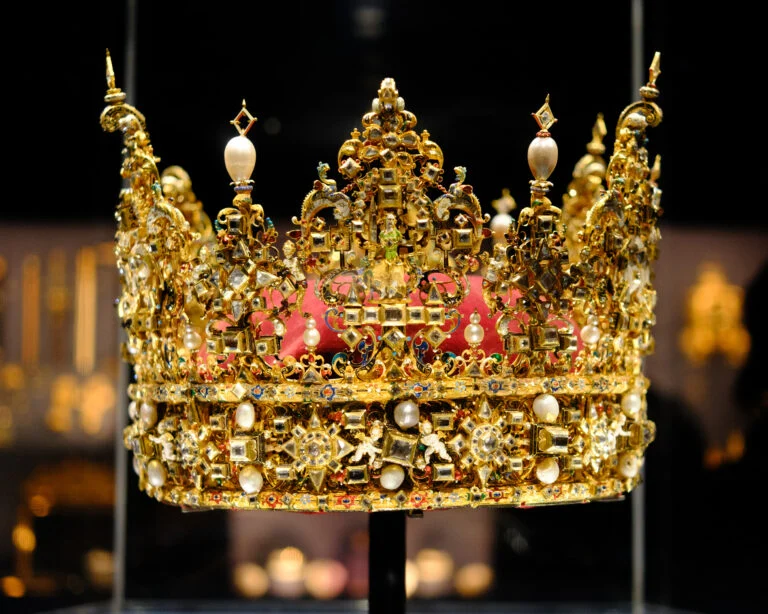
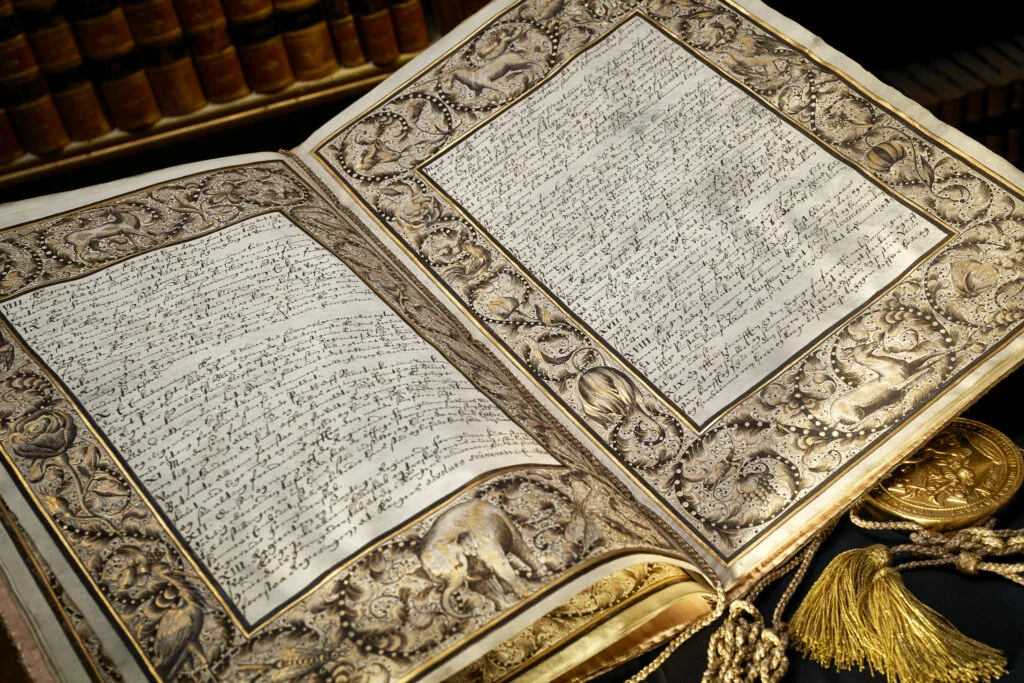
Kongernes Samling Amalienborg boasts an impressive array of royal artifacts that convey both the personal lives and public duties of Denmark’s monarchs. Central to the exhibition is the display of royal regalia, including crowns, sceptres, and other ceremonial objects used in coronations and state functions. These items, crafted with meticulous artistry, demonstrate not only the pomp of monarchy but also the symbolic values of sovereignty and national unity. Another highlight is the collection of intricately detailed furniture and textiles from various reigns, which reveal the tastes and domestic lives of royal families over the centuries. Portrait galleries feature significant figures from Danish history, offering a visual chronicle of the monarchy’s evolution alongside the country’s political and cultural transformations. Of particular note is the emphasis on craftsmanship, with porcelain, silverware, and decorative arts illustrating Denmark’s longstanding tradition of fine artisan work. While the permanent collection provides a comprehensive overview, the museum’s use of multimedia and informative panels effectively enriches the contextual understanding of each exhibit, making it accessible to visitors with varying levels of prior knowledge.
Visitor Experience
The design and layout of Kongernes Samling Amalienborg ensure that visitors can navigate the museum with ease. The route through the royal apartments and exhibition rooms is logical and well-signposted, allowing guests to absorb the displays in a coherent chronological order. The museum succeeds in balancing educational content with visual appeal, offering descriptions and historical contexts that are succinct but informative. There is a sense of solemnity, appropriate for the artifacts’ significance, yet the atmosphere is not overly formal, inviting a broad audience including families and school groups. Audio guides and printed material are available to supplement the experience, with clear narratives that highlight key events and figures in Denmark’s royal history. Staff are approachable and knowledgeable, contributing to an environment conducive to learning and exploration. The museum also carefully manages visitor flow, which helps prevent overcrowding, ensuring a comfortable and enjoyable visit even during peak periods.
Tickets, Access, and Planning
Access to Kongernes Samling Amalienborg is straightforward, benefitting from its central location within Copenhagen. The museum is well-served by public transport, including buses and nearby metro stations, facilitating easy arrival for tourists and locals alike. For those traveling by car, there are parking options in the vicinity, although the historic city center’s traffic restrictions may pose minor challenges. The museum’s official website provides up-to-date information on opening hours, ticket prices, and any special considerations, making it simple to plan a visit. Ticketing options include individual admission and combined tickets with other royal sites, which can offer good value for those wishing to explore further aspects of Denmark's regal heritage. The museum is generally accessible to visitors with mobility impairments, featuring ramps and elevators where possible, although some historic areas may have limitations due to the original architecture. Clear guidelines and staff assistance improve the experience for visitors requiring additional support.
Final Verdict
Kongernes Samling Amalienborg stands as an exemplary cultural institution that successfully merges historical preservation with public engagement. Its rich and varied collection offers a thoughtful and layered exploration of Denmark’s monarchy, appealing to both history enthusiasts and general visitors. The museum’s setting within the royal palace enhances its narrative, providing an authentic backdrop that deepens the connection to Denmark’s royal traditions. While the focus on royal artifacts and period craftsmanship might appeal more to those with an interest in European history and monarchy, the accessible presentation ensures broader appeal. A balance is struck between scholarly detail and visitor accessibility, enriched by interactive elements and clear interpretive aids. Overall, Kongernes Samling Amalienborg is a must-visit for those seeking to understand the cultural and political development of Denmark through the lens of its monarchy, offering an experience that is both educational and aesthetically captivating.