In Flanders Fields Museum Review
Military Museums · Ypres, Belgium. The In Flanders Fields Museum, situated in the historic city of Ypres, Belgium, occupies a significant place within the commemoration of World War I. Ypres was a focal point during the Great War, witnessing…
Military Museums · Ypres, Belgium. The In Flanders Fields Museum, situated in the historic city of Ypres, Belgium, occupies a significant place within the commemoration of World War I. Ypres was a focal point during the Great War, witnessing…
Best forScience, technology, hands-on learning
Review focusExhibits, interpretation, visitor flow
Historical Context
The In Flanders Fields Museum, situated in the historic city of Ypres, Belgium, occupies a significant place within the commemoration of World War I. Ypres was a focal point during the Great War, witnessing some of the most intense and prolonged battles on the Western Front, including the devastating battles of 1914, 1915, and 1917. The museum derives its name from the famous war poem "In Flanders Fields," penned by Lieutenant Colonel John McCrae, which captures the tragic loss and the poignant memory of soldiers who fell in the region. The museum seeks to provide a comprehensive narrative of the war’s impact, threading together the human stories amid the broader context of global conflict. Its location in the Cloth Hall, a medieval building destroyed and rebuilt after the war, underscores a powerful connection between past and present, symbolising both the destruction wrought and the resilience demonstrated during and after the conflict. The museum serves as an important educational and commemorative institution, offering visitors insight into one of history’s most traumatic periods while fostering reflection on war and peace.
What You See on Arrival
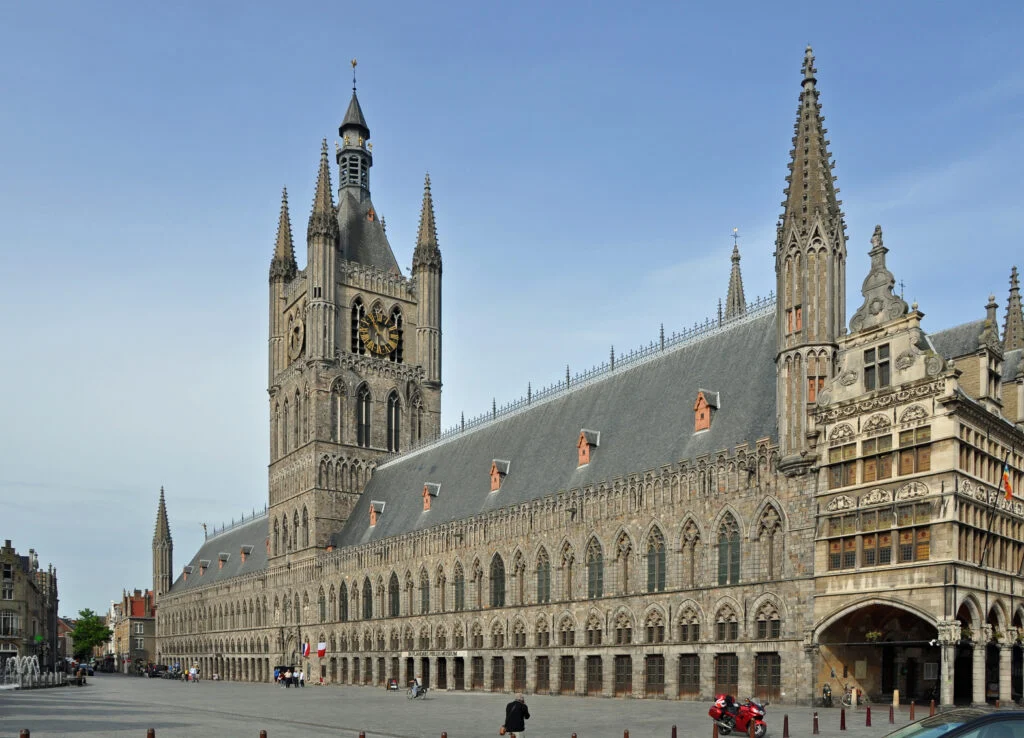
Visitors arriving at the In Flanders Fields Museum are immediately struck by the building’s historical gravitas. The museum is housed within the Cloth Hall, an imposing Gothic-style structure that stands in the heart of Ypres’ central square. The restored façade, with its tall spires and detailed stonework, hints at the building's storied past and lends a solemn atmosphere before one even steps inside. Upon entry, the atmosphere shifts to a contemplative yet engaging space. The entrance area serves as a brief introduction to the region’s war history and sets the thematic tone for the visit, weaving historical facts with personal narratives. There is a clear sense of purpose in the layout: the space is designed not just to present artifacts but to evoke an emotional response, encouraging visitors to connect deeply with the stories on display.
Highlights and Key Exhibitions
The museum’s exhibitions excel in weaving together the multifaceted experiences of World War I through an innovative use of multimedia and carefully curated artifacts. Among the highlights is the detailed exploration of trench warfare, which forms a central narrative axis, describing the daily lives, dangers, and hardships faced by soldiers on the front lines. Notably poignant is the extensive collection of personal items, letters, and diaries that bring a distinctly human element to the historical facts. The exhibition on the involvement of diverse nationalities, including Canadians, British, Belgians, and Germans, broadens the scope beyond a singular national perspective.
A standout feature of the museum is its nuanced treatment of the war's broader consequences. It addresses not only military strategies and battles but also themes such as the home front, the role of civilians, and the war’s long-term social and political impact. The use of soundscapes, interactive maps, and visual displays is thoughtfully integrated to maintain engagement without overwhelming visitors. While the museum’s primary focus remains on the Western Front, particularly the Ypres Salient, it successfully contextualizes the local history within the global experience of World War I.
Visitor Experience
The visitor experience is generally immersive and thoughtfully curated. The museum strikes a careful balance between education and emotional engagement, allowing visitors at different levels of prior knowledge to gain meaningful insights. Signs and descriptions are provided in multiple languages, enhancing accessibility for international tourists. The use of drama and multimedia elements—such as battlefield recreations and personal testimonies—adds richness and variety to the standard museum format.
One notable aspect is the museum’s sensitivity to the emotional weight of its subject matter. The pacing is designed to avoid fatigue or emotional overload, with quieter reflection spaces interspersed among more interactive zones. While certain exhibits feature poignant and sometimes graphic content, these are presented in a respectful manner, mindful of the diverse audience including younger visitors. Staff presence is generally unobtrusive but available for guidance and interpretation when requested.
Tickets, Access, and Planning
Planning a visit to the In Flanders Fields Museum is relatively straightforward. Tickets are available for purchase both on-site and online through the official website, with options for individual, group, and family rates, as well as discounts for seniors, students, and local residents. Combining a museum ticket with other local heritage attractions is sometimes possible, offering convenient value packages.
The museum is accessible via public transport, with Ypres well connected by train and bus from larger Belgian cities and neighboring countries. The central location of the Cloth Hall in Ypres’ main square facilitates easy visit combinations with other historic sites in the area, including the nearby Menin Gate Memorial. For visitors with mobility issues, the museum makes reasonable accommodations, though some parts of the historic structure may present challenges due to its medieval origins. Facilities such as elevators and ramps are present, and information on accessibility is clearly communicated to prospective visitors.
Final Verdict
The In Flanders Fields Museum in Ypres offers a deeply resonant and well-rounded exploration of World War I, particularly the harrowing experiences on the Western Front. It successfully transcends the typical historical display by emphasizing personal stories and employing modern exhibition techniques that engage both the mind and the heart. The combination of the museum’s compelling narrative, evocative setting in the Cloth Hall, and comprehensive coverage of the war’s many facets makes it an essential destination for anyone seeking to understand this pivotal chapter of history.
While some visitors might find the emotional intensity challenging, this is intrinsic to the subject matter and handled with care throughout the museum. The integration of local history with global perspectives enriches the overall visitor experience. Practical considerations such as well-structured ticketing options and accessibility contribute positively to visiting convenience. Overall, the In Flanders Fields Museum stands as a powerful institution that honors the memory of those affected while educating future generations about the enduring lessons of the First World War.