Holocaust Museum of Southwest Florida Review
Holocaust Memorial Museums · Pine Ridge, United States. The Holocaust Museum of Southwest Florida, situated in Pine Ridge, United States, stands as a solemn testament to one of the darkest chapters in human history. Dedicated to preserving the memory of the Holocaust,…

Holocaust Memorial Museums · Pine Ridge, United States. The Holocaust Museum of Southwest Florida, situated in Pine Ridge, United States, stands as a solemn testament to one of the darkest chapters in human history. Dedicated to preserving the memory of the Holocaust,…
Best forMemory, history, reflective visits
Review focusCollections, visitor experience, and practical planning
Historical Context
The Holocaust Museum of Southwest Florida, situated in Pine Ridge, United States, stands as a solemn testament to one of the darkest chapters in human history. Dedicated to preserving the memory of the Holocaust, this institution serves not only as a repository of historical artifacts and testimonies but also as an educational platform aimed at preventing such atrocities from recurring. Established to honor the victims and survivors of the Holocaust, the museum contextualizes the rise of Nazi Germany, the systemic persecution of Jews and other marginalized groups, and the global aftermath of this genocide. By focusing on both the personal and collective experiences, the museum offers visitors an opportunity to reflect deeply on themes of human rights, resilience, and the moral imperative to confront hatred and intolerance in all its forms. This contextual foundation is crucial for understanding the weight and significance of the exhibits housed within, reinforcing the museum’s role in promoting awareness and fostering a commitment to social justice.
What You See on Arrival
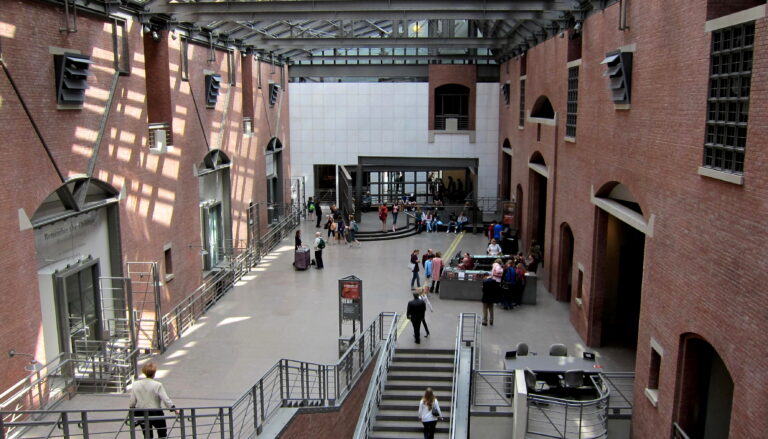
Upon approaching the Holocaust Museum of Southwest Florida, visitors are greeted by a welcoming and understated exterior that mirrors the somber nature of its contents while inviting contemplation. The entrance is marked by simple yet poignant design elements that set a reflective tone. Large windows allow natural light to filter internally, creating an atmosphere that balances reverence with openness. Signage and the surrounding landscaping are tasteful and restrained, reinforcing the museum’s serious subject matter without overwhelming visitors. Inside the lobby area, one finds a modest gift shop offering literature and memorabilia relevant to Holocaust education, as well as a quiet space for visitors to gather information prior to commencing their visit. The overall ambiance on arrival is both respectful and purposeful, preparing guests for the emotional and intellectual journey ahead.
Highlights and Key Exhibitions
The museum’s permanent collection is thoughtfully curated to provide a comprehensive overview of the Holocaust through a variety of mediums, including photographs, documents, personal items, and multimedia presentations. One of the most powerful aspects is the collection of survivor testimonials, which lend a deeply personal dimension to historical facts and statistics. These narratives are thoughtfully integrated throughout the galleries, enhancing the emotional resonance of the exhibitions. Displays explore themes such as Jewish life in Europe before the war, the escalation of anti-Semitic laws, ghettos, concentration camps, and the resistance movements. Attention is paid to the individual stories behind mass events, which encourages empathy as well as understanding.
Particularly memorable are the exhibits that focus on the children of the Holocaust, offering poignant insight into the vulnerability and cruelty faced by the youngest victims. The museum also examines the post-war period, including issues of displacement, justice, and the enduring impact on survivors and their families. While the collection primarily emphasizes the Jewish experience, it does acknowledge other groups targeted during the Nazi regime. The use of interactive elements, such as touchscreen displays and video excerpts, helps to engage visitors of a wide age range and educational background, making complex historical realities accessible without diminishing their gravity.
Visitor Experience
The design of the museum prioritizes both educational content and emotional engagement, aiming to create a respectful environment conducive to learning and reflection. The layout is chronological and thematic, guiding visitors through the key phases of the Holocaust in a clear and coherent manner. The pace of the exhibit allows space for thoughtful pause without becoming overwhelming, though some visitors might find the intensity of the material emotionally taxing. The staff and volunteers are known to be knowledgeable and sensitive, facilitating a supportive atmosphere for those seeking deeper understanding or grappling with difficult emotions.
Interpretive materials, including audio guides and printed brochures, are available to enhance the visitor experience. For those unable to absorb large volumes of information in one visit, the museum’s layout allows for segmented viewing. Educational programs and outreach initiatives complement the exhibits, targeting schools, community groups, and faith organizations. These efforts not only reinforce the museum’s mission but also extend its impact beyond the physical space. Overall, the visitor experience is thoughtfully curated to foster empathy, awareness, and a profound appreciation of the lessons that history offers.
Tickets, Access, and Planning
Tickets to the Holocaust Museum of Southwest Florida are reasonably priced, with discounts often available for seniors, students, and groups. Admission policies are straightforward, and the museum’s official website provides up-to-date information on ticketing along with guidelines for visitors. Advance booking is recommended, particularly during school visits or planned educational tours, to ensure availability. The location in Pine Ridge is accessible by car, and ample parking is provided on-site, which adds convenience for regional visitors.
Accessibility considerations are evident throughout the museum. Wheelchair ramps, elevators, and accessible restrooms ensure the museum is navigable for those with mobility challenges. Clear signage and comfortable seating areas assist in creating an accommodating environment. Additionally, the museum offers resources and accommodations for visitors with hearing or visual impairments, enhancing inclusion. Planning a visit is further supported by visitor guidelines that encourage respectful behavior in keeping with the museum’s solemn subject matter. Overall, the Holocaust Museum of Southwest Florida demonstrates a commendable commitment to accessibility and visitor service.
Final Verdict
The Holocaust Museum of Southwest Florida serves as an essential institution for education, remembrance, and reflection. Its sensitive and comprehensive approach to presenting the history of the Holocaust is both informative and deeply moving. By combining personal narratives with historical rigor, the museum succeeds in humanizing a vast tragedy, making it accessible without losing sight of the enormity of the events. The thoughtful exhibit design, facilitated visitor experience, and educational outreach programs contribute to a well-rounded institution capable of reaching diverse audiences.
While the museum’s content is unavoidably intense, it is presented in a manner that encourages constructive dialogue and understanding. Its location in Pine Ridge offers a valuable resource for the regional community and beyond, particularly in fostering awareness among younger generations. The museum’s commitment to accessibility further underscores its role as an inclusive educational space. For those seeking to understand the Holocaust’s complex history and its enduring lessons, the Holocaust Museum of Southwest Florida is a vital destination, embodying remembrance and the hope of a more just future.