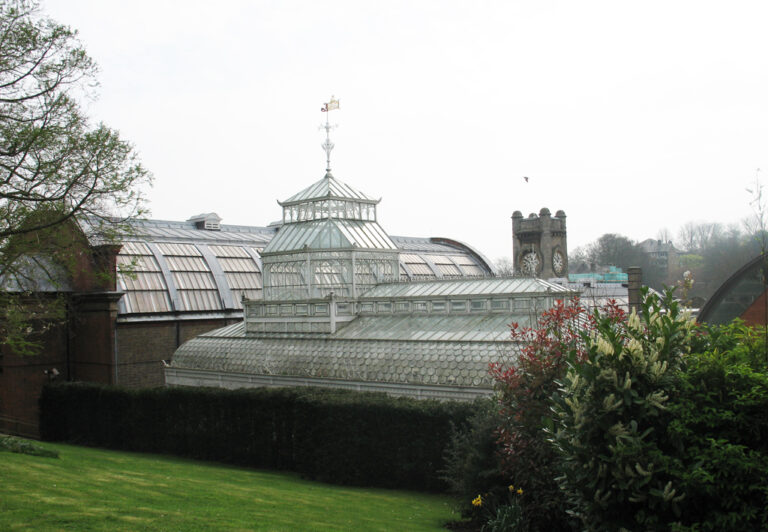
Grant Museum of Zoology Review
Natural History Museums · London, United Kingdom. Situated within the academic heart of University College London, the Grant Museum of Zoology stands as a testament to the enduring significance of natural history and scientific inquiry. Founded in 1828 by Robert Edmond…

Natural History Museums · London, United Kingdom. Situated within the academic heart of University College London, the Grant Museum of Zoology stands as a testament to the enduring significance of natural history and scientific inquiry. Founded in 1828 by Robert Edmond…
Best forScience, technology, hands-on learning
Review focusHistorical collections, local context, and visitor planning
Historical Context
Situated within the academic heart of University College London, the Grant Museum of Zoology stands as a testament to the enduring significance of natural history and scientific inquiry. Founded in 1828 by Robert Edmond Grant, a pioneering zoologist and the first professor of zoology at UCL, the museum was initially conceived as a teaching collection. Its role was to aid the study of zoology through tangible, three-dimensional specimens at a time when such resources were rare and invaluable to scientific education. Over nearly two centuries, the museum has evolved but retained its foundational purpose: to provide an intimate and comprehensive resource dedicated to zoological diversity and evolutionary biology. Through its extensive collection of preserved animals, fossils, and anatomical oddities, the Grant Museum not only reflects the history of scientific collection but also illuminates broader cultural attitudes toward natural history. Situated in London, a city with a rich tradition of museums and scientific institutions, it holds a unique niche as a specialized museum focusing on the intersection of science, education, and public engagement.
What You See on Arrival
The Grant Museum of Zoology is located within the University College London’s Rockefeller Building, positioned just off the main thoroughfares of central London. From the outside, the museum’s presence is unpretentious, resembling a conventional academic building rather than a grand museum façade. Upon entering, visitors find themselves in a modest but efficiently arranged gallery space. The museum’s layout is intimate and compact, fitting the character and size of the collection, which encourages close inspection and a personal viewing experience. Visitors are greeted by rows of display cases filled with a remarkable range of zoological specimens, from skeletal remains and taxidermy mounts to preserved wet specimens floating in jars. The atmosphere strikes a balance between the clinical and the curious, underscoring the educational objectives of the museum while inviting a sense of wonder at the diversity of life. Illumination is generally subdued but carefully directed to enhance viewing without compromising the preservation of sensitive materials.
Highlights and Key Exhibitions
At the core of the Grant Museum’s appeal is its extensive collection of around 68,000 specimens, many of which represent species from all corners of the natural world, including some rare or extinct species. The displays are methodically arranged to emphasize comparative anatomy and evolutionary relationships, making the museum an invaluable resource for anyone interested in zoology or natural history. Among the standout features are the skeletal mounts of various mammals—such as the meticulously prepared skeleton of a quagga, a now-extinct subspecies of zebra, which serves as a poignant reminder of biodiversity loss. The museum also houses a unique collection of rare skulls, including those of megafauna and smaller, less commonly exhibited animals, contributing to a comprehensive understanding of anatomical variation across species.
Another highlight is the collection of cephalopods, notably preserved squid and octopus specimens, which demonstrate the fascinating morphology and adaptability of marine invertebrates. Fossils and invertebrate specimens are given significant attention, illustrating the ancient origins and evolutionary history of life on Earth. The Leviathan-like skeleton of a giant armadillo, and the gallery’s display of various micro-mammal skulls, provide visual narratives underpinning evolutionary theory and the processes shaping biodiversity. Specimens often come with informative labels that elucidate their scientific significance and contextualize their role within the broader biological spectrum, facilitating an educational journey through zoological science.
Visitor Experience
The visitor experience at the Grant Museum is deeply shaped by its specialized nature and academic environment. The museum’s relatively small footprint means that visitors can navigate the space within an hour or two, making it an ideal stop for those with limited time who seek focused insight into zoological collections. The layout encourages close-up inspection, fostering a more intimate and hands-on engagement than might be possible in larger, more generalist museums.
Interpretive materials are thoughtfully presented, striking a careful balance between scientific rigor and accessibility for a general audience. The educational tone reflects the museum’s origins as a teaching collection, with many specimens accompanied by detailed explanations, comparative charts, and evolutionary timelines. This approach supports both casual visitors and those with a more scholarly interest, including students and researchers. Where the museum truly excels is in the evocative power of its specimens themselves, which offer a direct, tactile link to the diversity of animal life and its complex histories.
Conversely, certain aspects may not suit every visitor. The museum’s compact size, while fostering intimacy, could feel limiting for those expecting a grand, more varied exhibition environment. The focus on scientific collections rather than interactive or multimedia displays may also feel less engaging for younger audiences or those seeking highly visual or entertaining museum experiences. Nevertheless, for those with an interest in biology, natural history, or the history of science, the Grant Museum provides a rare, concentrated glimpse into the zoological world’s intricacies.
Tickets, Access, and Planning
One of the most attractive aspects of the Grant Museum of Zoology is its accessibility in terms of admission fees. Entry to the museum is free of charge, making it an appealing option for budget-conscious travelers, students, and London residents alike. This policy supports its role as a public educational institution and aligns with the tradition of many university-affiliated museums in the UK, aiming to democratize access to scientific resources.
The museum’s location within the UCL campus places it within easy reach of London’s central public transport network, including several Underground stations and numerous bus routes. It is well-signposted locally, although visitors unfamiliar with UCL’s layout may benefit from consulting maps or online directions available on the museum’s official website before arrival. Interior access is generally straightforward, with accommodations made for those with mobility impairments; however, the historic nature of the building and compact gallery spaces might present some challenges for wheelchair users or those requiring substantial assistance. It is advisable for potential visitors with accessibility concerns to check specifics in advance.
Opening hours are typically standard for a university museum, often aligned with academic terms and weekdays, with occasional weekend openings. Prospective visitors should verify current opening times on the official website to avoid disappointment. Facilities such as cloakrooms and cafés are limited in the immediate vicinity, reflecting the museum’s university setting, so planning for refreshments elsewhere is advisable.
Final Verdict
The Grant Museum of Zoology stands out as a distinctive and highly focused institution in London’s rich cultural and scientific landscape. Its strength lies in the depth and breadth of its zoological collections, which represent an impressive variety of species and anatomical forms. The museum successfully preserves the legacy of early scientific endeavor while continuing to serve as a vital educational resource for students and the public. For those with a genuine interest in natural history, evolutionary biology, or the development of zoological science, it provides a uniquely intimate and thought-provoking experience.
Its modest physical scale and concentrated purpose mean that it may not satisfy those seeking a more expansive or entertainment-oriented museum visit. However, the educational content is rich and thoughtfully presented, allowing visitors to engage meaningfully with the natural world’s complexity. The free admission policy and central London location enhance its appeal as an accessible cultural and scientific destination.
In summary, the Grant Museum of Zoology offers a rare opportunity to explore zoological collections in a setting that remains faithful to its academic origins. It is a must-visit for anyone keen to deepen their understanding of animal diversity and evolutionary science within the historical context of one of London’s most prestigious universities.