Fram Museum Review
Cultural Heritage Museums · Oslo, Norway. The Fram Museum in Oslo, Norway, is dedicated to Norway’s rich history of polar exploration in the late 19th and early 20th centuries. This period saw Norway emerge as a central player in Arctic…
Auto-rated with GMR rubric v1: collection 3.9, importance 3.5, visitor 3.5, presentation 3.5, practical 3.3, uniqueness 3.4. Confidence: medium.
Best forMaritime history, ships, harbour heritage
Review focusCollection, setting, visitor experience
Historical Context
The Fram Museum in Oslo, Norway, is dedicated to Norway’s rich history of polar exploration in the late 19th and early 20th centuries. This period saw Norway emerge as a central player in Arctic and Antarctic expeditions, a legacy shaped by pioneering explorers such as Fridtjof Nansen, Otto Sverdrup, and Roald Amundsen. The museum takes its name from the Fram, a wooden polar exploration ship designed by Colin Archer and famously utilized in several major expeditions between 1893 and 1912. The vessel is closely associated with pushing the boundaries of early polar travel, including Nansen’s attempt to reach the North Pole by drifting with the ice and Amundsen’s historic expedition to the South Pole.
The Fram Museum was established in 1936, primarily to house and preserve the ship Fram itself. Since then, the museum has expanded its focus to document polar exploration more broadly, encompassing the scientific, geographic, and cultural consequences of Norway’s polar ventures. This includes highlighting the technological innovations in shipbuilding tailored for polar conditions, as well as Norway’s efforts in the competitive age of exploration. The Fram Museum situates these feats within a national context, emphasizing Norway’s ambitions and achievements in the polar regions alongside international developments.
What You See on Arrival
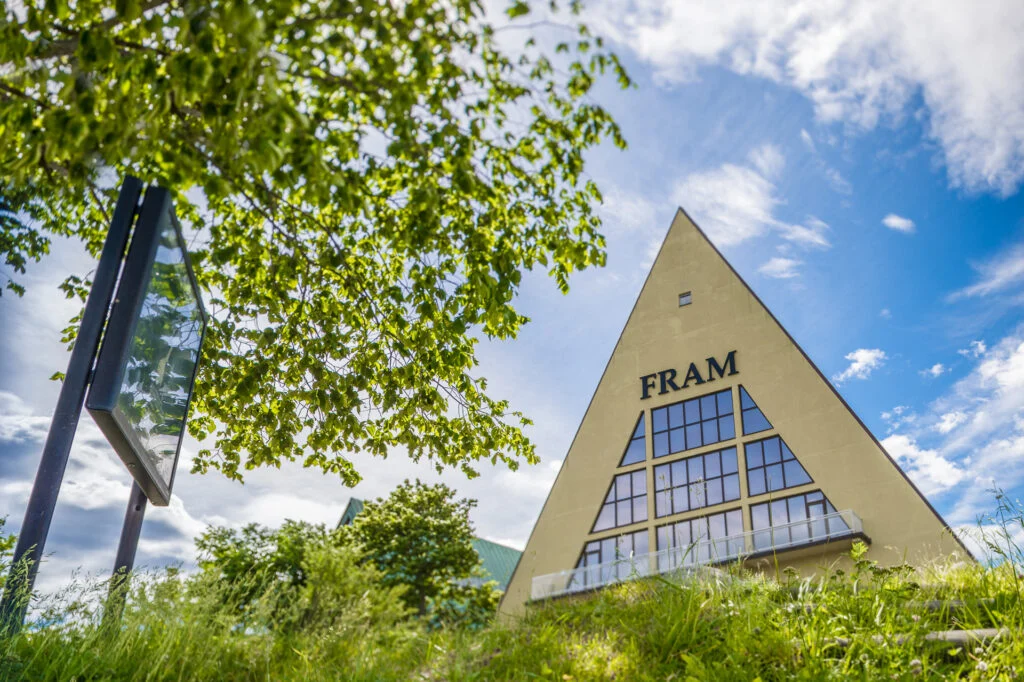
Visitors approaching the Fram Museum will find it set in the Bygdøy peninsula, an area known in Oslo for several maritime and historical museums. The museum’s building is modest and functional, designed with a strong focus on the preservation and display of the Fram itself. On arrival, the ship is the unmistakable centerpiece, housed within a structure that allows for close viewing from multiple levels. The visual impact of the Fram is immediate and commanding; its hull and deck remain intact, offering a tangible link to the expeditions it undertook.
Outside the main exhibition hall, the surrounding environment offers views of the Oslo fjord, which reinforces the maritime context of the museum. The framing of the ship within this waterfront setting underscores the connection between Norway’s geography and its polar exploration history. While the building’s architecture is not lavish or elaborate, it is thoughtfully designed to balance preservation needs with visitor circulation, and it clearly signals the museum’s maritime and exploratory identity from the outset.
Highlights and Key Exhibitions
The museum’s defining artifact is undoubtedly the Fram itself, which remains the world's strongest wooden ship ever built and the first designed specifically for polar conditions. Visitors can explore the ship’s interior, where the cramped quarters and specialized design features illustrate the challenges faced by early polar explorers. The ship’s hull shape, reinforced with heavy timber, and its ability to resist being crushed by pack ice are explained through informative displays. This direct experience of the vessel provides a concrete sense of the environment in which the expeditions operated.
Beyond the ship, the museum offers extensive exhibitions focused on Norway’s major polar expeditions from the late 19th and early 20th centuries. These typically include detailed accounts and artifacts from the Nansen expedition of 1893-1896, which famously attempted to reach the North Pole by drifting with the ice pack; the Sverdrup expedition, which explored the Canadian Arctic; and Amundsen’s expeditions, notably his 1911 conquest of the South Pole and later voyages such as traversing the Northwest Passage.
Exhibits often intersperse photographs, maps, and original scientific instruments, providing context for the logistical and scientific aspects of these ventures. There is also attention to the human side of these journeys, with documentation of living conditions, supplies, and the risks undertaken by expedition members. The museum tries to balance celebration of achievement with an honest rendering of the hardships and occasional failures that marked polar exploration.
Notably, the Fram Museum situates Norwegian expeditions within the broader international context, referencing contemporaneous efforts by explorers from other countries, such as Britain and Russia. This comparative perspective offers visitors a sense of the competitive nature of polar exploration in this era, without overstating any one nation’s role.
The museum’s displays also address technological innovations tied to expeditions, including the shipbuilding techniques, navigation tools, and survival equipment. These technical aspects are presented with enough clarity to engage a general audience, avoiding excessive jargon but providing detailed explanations features such as how Fram’s design allowed it to survive the pressure of shifting ice.
While there is some focus on later developments in polar research, the Fram Museum remains primarily centered on the classical age of exploration through the early 20th century. It does not deeply pursue contemporary scientific or environmental concerns related to the polar regions, which some visitors with modern polar interests might find a limitation.
Visitor Experience
The Fram Museum caters to a diverse audience that ranges from families with children to history buffs and specialists interested in maritime exploration. The pacing within the museum is generally moderate, allowing visitors time to examine the ship itself and the accompanying exhibits in a coherent sequence. The layout encourages a step-by-step progression, beginning with the Fram and moving through related displays that narrate the history and technology behind the expeditions.
Interpretive signage is generally clear and well-structured, with a mix of Norwegian and English texts. This helps international visitors follow the exhibitions without significant language barriers. However, some informational panels are dense with historical or technical detail, potentially demanding more time from visitors with less background knowledge or lower attention spans.
The museum’s focus on a single primary object, the ship Fram, provides a clear anchor for the visit. This object-centered approach is effective in delivering a tangible connection to the era but can also make the exhibition feel somewhat narrow in scope for those seeking a broader overview of polar exploration or contemporary Arctic issues.
Because the museum is specialized, it may not fully engage visitors without a prior interest in history, maritime affairs, or polar exploration. Casual visitors might occasionally find the emphasis on detailed expedition data and technical descriptions more challenging to digest. That said, the Fram itself is an impressive enough spectacle to hold attention, even absent detailed knowledge.
The museum also does not rely heavily on multimedia or interactive displays. While this may be appreciated by traditionalists who prefer artifacts and careful curation, younger or more digitally oriented audiences may find the presentation style less dynamic compared to other modern museums.
Tickets, Access, and Planning
Practical visiting details for the Fram Museum should be verified through the official site before a planned visit, as opening hours, admission policies, and available services can vary seasonally or due to special circumstances. The museum is part of the Bygdøy peninsula cluster, so visitors might consider combining it with other nearby institutions that focus on maritime history or Norwegian culture.
Access to the museum includes its waterfront location, which shapes its identity but can also influence seasonal suitability; winter visits could be colder and more challenging. The Fram Museum’s facilities and physical layout appear designed to accommodate a range of visitors, though precise accessibility options for visitors with mobility challenges should be checked directly.
The museum does not prominently feature extensive visitor amenities such as cafés or shops within the building, and while modest retail offerings may exist, they are unlikely to form a major part of the visit. Audio guide availability and guided tours are not consistently documented and should be confirmed ahead.
The Fram Museum is experienced in handling steady visitor flows but can become busy during peak tourist season. Visitors planning trips during summer months or school holidays might expect moderate crowding, which can affect the ability to view the ship or exhibits up close. Planning an off-peak visit or arriving early in the day could improve the experience.
Final Verdict
The Fram Museum is a focused institution committed to presenting and preserving a defining chapter in Norway's history of polar exploration. Anchored by the original Fram, the museum offers visitors a unique chance to closely examine one of the most important vessels ever built for extreme exploration. The exhibitions successfully combine technical detail with human stories to build a comprehensive picture of early polar expeditions.
The strengths of the museum lie in its authenticity, detailed interpretation of the expeditions, and the opportunity to physically encounter a historic vessel integral to this heroic era of exploration. For those drawn to maritime history, Arctic and Antarctic endeavors, or Norwegian national heritage, the Fram Museum presents content with considerable depth and clarity.
Potential limitations include the museum’s concentrated subject matter, which might not satisfy visitors seeking a more varied or contemporary angle on polar issues. The presentation style is relatively traditional, with limited multimedia engagement, which might affect appeal among younger or less specialized audiences. Moreover, planning considerations regarding seasonal access and crowding are prudent.
Overall, the Fram Museum stands as a substantial resource for understanding a formative period of polar exploration and Norway’s role therein. Visitors with a particular interest in historic expeditions or nautical innovation will find the museum especially rewarding, while general audiences should approach it as a specialized, artifact-centered institution best suited to focused exploration rather than casual browsing. Before visiting, interested parties should consult the official website for current visitor information to ensure the best possible experience.