Folsom Prison Museum Review
The Folsom Prison Museum, located in the city of Folsom, United States, offers a unique window into one of the nation's most.
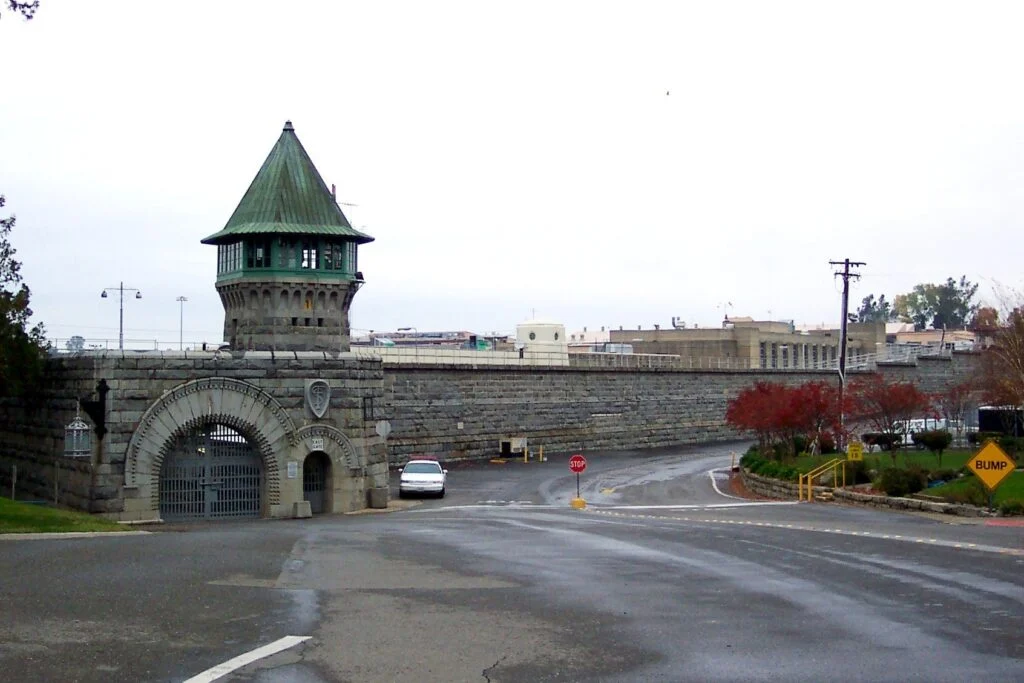
The Folsom Prison Museum, located in the city of Folsom, United States, offers a unique window into one of the nation's most.
Best forDesign, architecture, visual culture
Review focusCollections, visitor experience, and practical planning
Historical Context
The Folsom Prison Museum, located in the city of Folsom, United States, offers a unique window into one of the nation's most historic correctional institutions. Folsom State Prison itself, established in 1880, is one of the oldest operating prisons in the country and has played a significant role in the development of the American penal system. Renowned for its stringent security measures and infamous inmates, the prison also holds a cultural significance that extends beyond its walls. The museum's narrative is deeply intertwined with this history, capturing the intersection of law enforcement, justice reform, and social change over more than a century. It sheds light not only on the harsh realities of incarceration but also on the broader societal implications and evolving attitudes toward criminal justice in the United States. This background provides essential context for visitors, enabling a deeper appreciation of the exhibits and the stories they tell about crime, punishment, and reform.
What You See on Arrival
From the moment visitors approach the Folsom Prison Museum, they are met with a striking exterior that evokes the austere atmosphere of its subject. The building itself is modest but functional, reflective of the pragmatic architecture associated with correctional facilities. Near the entrance, informative signage and outdoor displays provide an introductory overview of the prison’s history and its widespread influence. Upon entry, visitors step into a well-curated space combining archival photographs, artifacts, and interpretive panels. The museum's layout is straightforward, designed for easy navigation while encouraging reflection on the weighty themes presented. The initial display areas include memorabilia connected to the prison’s operation, such as original tools, uniforms, and documents, all of which add tangible substance to the historical narrative.
Highlights and Key Exhibitions
Among the museum's strengths are its thoughtfully assembled exhibits that strike a balance between historical fact and human experience. One of the highlights is the collection of inmate records and personal stories that reveal the lives behind the bars, presenting individuals rather than just statistics. Detailed accounts of notorious inmates and their impact on prison culture are handled with a measured tone, avoiding sensationalism while still captivating interest. The museum also dedicates space to the evolution of prison infrastructure and security technology, giving insight into changing penal philosophies over time.
A particularly compelling section focuses on the cultural imprint of Folsom Prison, exploring how it has been depicted in popular media, most famously through music and film. This exhibition contextualizes the prison’s imprint on American popular culture and its role in shaping public perceptions of the criminal justice system. Additionally, the museum features artifacts from the prison’s industrial workshops and recreational activities, illustrating the daily routines and skills of those incarcerated. This aspect of the exhibition challenges visitors to consider the complexities of prison life beyond confinement and punishment.
Visitor Experience
Visitors to the Folsom Prison Museum can expect an informative yet sobering experience. The museum’s atmosphere is respectful and contemplative, fostering a sense of understanding rather than judgment. Informational plaques and multimedia presentations are clear and engaging, effectively conveying complex historical and legal concepts without overwhelming the casual visitor. For those with a particular interest in criminal history or penal reform, the level of detail caters well to a more in-depth exploration.
The museum staff are noted for their professionalism and knowledge, often ready to assist with inquiries or provide additional context for the exhibits. While the venue is not large, the compactness works in its favor by encouraging a thoughtful pace rather than rushing through content. It should be noted that the subject matter can be quite intense, and parents might want to consider the suitability of some displays for younger children.
Tickets, Access, and Planning
Planning a visit to the Folsom Prison Museum is relatively straightforward thanks to clear information that is usually available both online and onsite. Admission prices are reasonable, making the museum accessible for a wide range of visitors including students, researchers, and casual tourists. Group rates and educational tours are often available, which enhances its appeal as a learning resource.
The museum is well-situated with parking facilities nearby, and it is accessible by public transport options serving the city of Folsom. Considerations for visitors with mobility challenges are adequately addressed, with ramps, elevators, and seating areas thoughtfully incorporated into the design. The museum's opening hours are typically convenient, though prospective visitors are advised to check in advance as hours might vary seasonally or due to special events.
Final Verdict
The Folsom Prison Museum stands out as a compelling institution that thoughtfully presents the multifaceted legacy of one of America’s most emblematic prisons. It achieves a careful balance between education and reflection, avoiding the pitfalls of sensationalism while not shying away from difficult topics. The museum’s well-curated exhibitions provide valuable insights into the history of incarceration, prisoner experiences, and the social dynamics surrounding criminal justice reform. While relatively modest in size, its impact is amplified through the quality and depth of its content.
For those interested in American history, law enforcement, or social justice issues, the museum represents a meaningful destination. It successfully transforms the often inaccessible realm of prison history into an engaging and informative experience. However, due to the heavy themes addressed, potential visitors should be prepared for a contemplative visit rather than an entertainment-focused outing. Overall, the Folsom Prison Museum is an important cultural institution offering a nuanced perspective on a critical aspect of American history. It serves not only to educate but also to provoke thoughtful dialogue about the legacies of crime and punishment in society.