Fiskeri- og Søfartsmuseet Review
Art Museums · Esbjerg, Denmark. Fiskeri- og Søfartsmuseet, located in Esbjerg, Denmark, occupies a particular niche in the pantheon of maritime museums. Esbjerg itself is a relatively young city by Danish standards, having grown primarily in the late 19th…
Art Museums · Esbjerg, Denmark. Fiskeri- og Søfartsmuseet, located in Esbjerg, Denmark, occupies a particular niche in the pantheon of maritime museums. Esbjerg itself is a relatively young city by Danish standards, having grown primarily in the late 19th…
Best forArt lovers, visual culture, architecture
Review focusCollections, curatorial focus, and visitor planning
Historical Context
Fiskeri- og Søfartsmuseet, located in Esbjerg, Denmark, occupies a particular niche in the pantheon of maritime museums. Esbjerg itself is a relatively young city by Danish standards, having grown primarily in the late 19th and early 20th centuries as a fishing harbor and shipping center on the west coast of Jutland. This regional context is central to understanding the museum’s importance. The institution traces the development of the Danish fishing industry and maritime culture, particularly focused on the North Sea coast. It explores not only the traditional methods of fishing and boat building but also the technological and social changes brought about by industrialization and modernization in these sectors.
Founded with the mission to preserve and interpret the maritime heritage distinctive to southern Denmark, the museum serves as a repository for artifacts, vessels, and documentation relevant to fishing and seafaring. Its collections reflect the relationship between the people of Esbjerg and the sea, a defining feature of the city’s identity. This heritage includes both the harsh realities and the innovations linked to fishing as an economic and cultural activity. Understanding the museum’s historical context sheds light on its dual role as both local archive and broader commentary on maritime heritage within Denmark.
The museum also reflects wider Danish maritime history through its preservation of traditional wooden ships alongside displays illustrating the rise of mechanized fishing fleets. In this way, it presents a layered narrative relevant for researchers, enthusiasts of maritime technology, and visitors interested in Denmark’s coastal communities. The institution’s efforts contribute to sustaining knowledge about a once dominant industry, even as fishing itself has seen decline and transformation.
What You See on Arrival
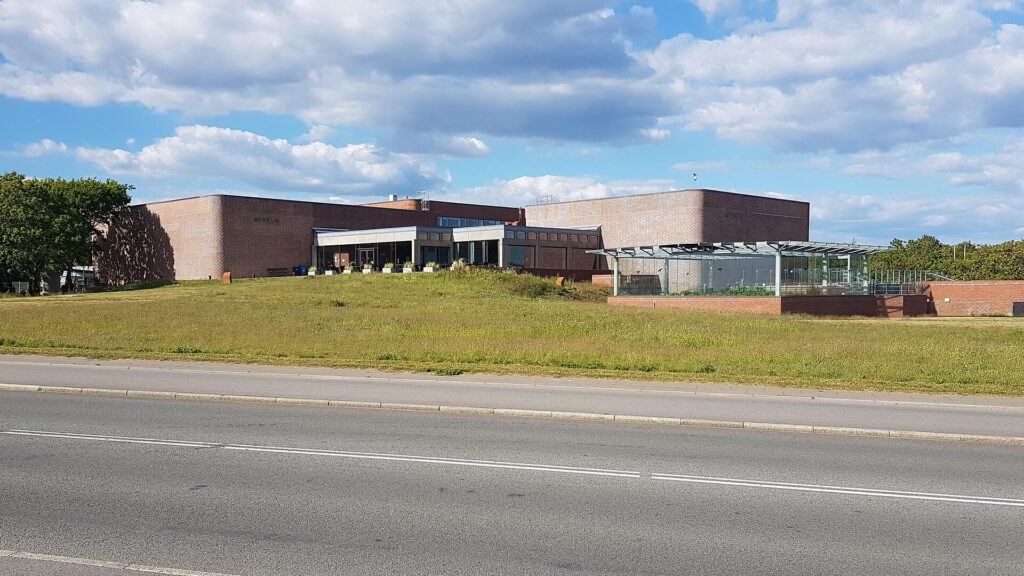
The initial impression of Fiskeri- og Søfartsmuseet presents a clear visual statement about its focus and identity. Situated near the waterfront in Esbjerg, the museum’s location itself is integral to its character. The building architecture is practical yet expressive of maritime themes, incorporating elements that evoke shipbuilding and the coastal environment. Visitors approaching the museum encounter both built and natural maritime elements that frame expectations for the visit.
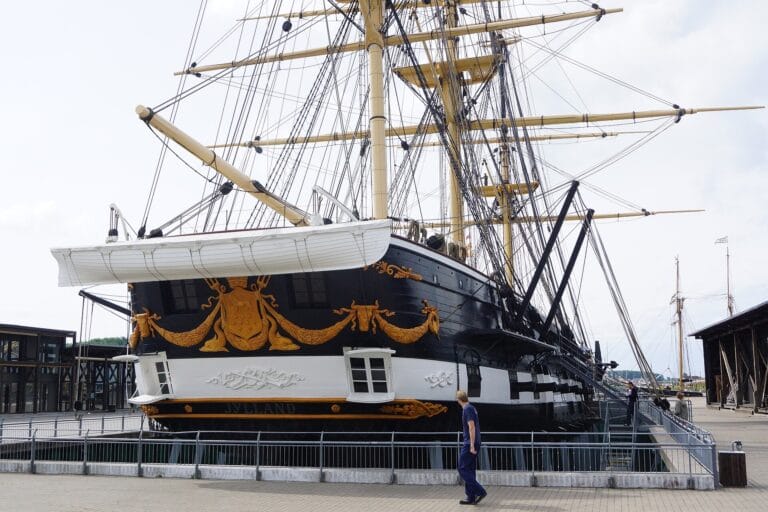
Upon arrival, one sees displays of historic boats and related equipment outdoors. These include preserved fishing vessels that demonstrate different eras of boat construction and use. The outdoor display anchors the museum’s connection to the tangible realities of fishing as an occupation and lifestyle. Additionally, the positioning near the harbor enables a contextual understanding—visitors can connect the relics on site with the operational maritime economy just offshore.
Inside, the museum space is organized to introduce visitors to the multi-faceted maritime culture of the region. The entrance area sets the tone with introductory information and often a large-scale exhibit or installation that outlines the museum’s scope. This framing helps visitors place individual objects and narratives within a broader cultural and historical framework. The spatial arrangement makes clear that the museum is as much about people’s lives at sea and ashore as it is about the technical artifacts themselves.
Highlights and Key Exhibitions
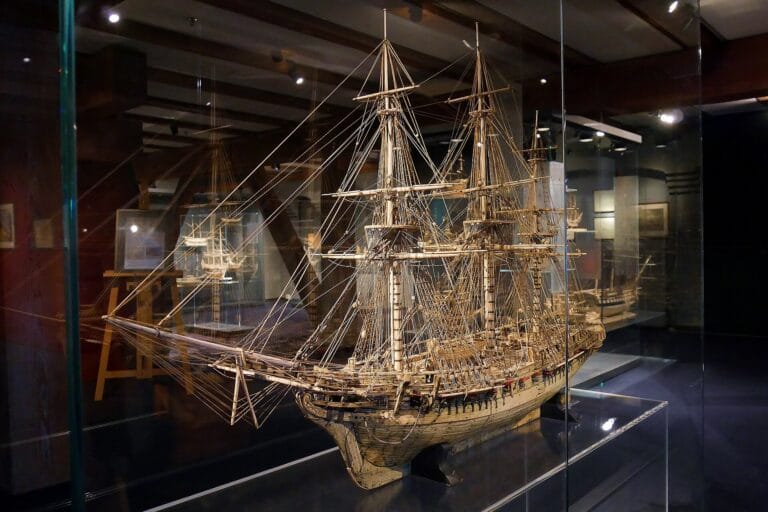
The core of Fiskeri- og Søfartsmuseet’s appeal lies in its nuanced presentation of maritime life and technology, especially through its collection of vessels, fishing tools, and maritime equipment. One of the museum’s strengths is the range of historic boats exhibited both indoors and outside. These examples demonstrate the craftsmanship of wooden hulls alongside the development of steel and motorized vessels. Such contrasts illuminate the technological shifts in Danish fishing and seafaring practices.
Permanent exhibitions also explore the socio-economic aspects of fishing communities. Displays of fishermen’s clothing, navigation instruments, and household objects provide a window into daily life in coastal Denmark from the 19th century onwards. These contextual artifacts frame the hardships and community traditions that defined the fishing industry.
A notable focus is on the mechanization and industrialization of fishing. Exhibits describe how trawlers replaced traditional small craft, and how refrigeration and transportation innovations expanded market reach. These narratives address not just technical progress but also the resulting social changes, including shifts in labor and gender roles within fishing towns.
The museum dedicates sections to the maritime safety culture, illustrating rescue efforts, life-saving equipment, and coastal lookout stations. These displays remind visitors of the dangers inherent in North Sea fishing and highlight the community resilience that developed around this industry.
Fiskeri- og Søfartsmuseet also presents natural history elements linked to the marine environment. Exhibits on fish species, ecosystems, and the environmental impacts of fishing practices connect cultural history with ecological realities. This interdisciplinary approach broadens the museum’s relevance for different interest groups.
While the museum collection is rich and detailed, its layout and display strategies emphasize clarity and accessibility rather than overwhelming visitors with exhaustive artifact arrays. Labels and explanatory panels are generally concise, avoiding academic jargon to reach a broad audience. The integration of photographs and oral history quotations adds personal dimension, making the visitor’s engagement with exhibits more vivid.
Visitor Experience
The visitor experience at Fiskeri- og Søfartsmuseet balances accessibility with depth. The museum is designed to accommodate audiences ranging from families with children to specialist visitors interested in maritime history and technology. The spatial flow encourages a paced visit, allowing time to appreciate both large exhibits and smaller objects.
Interpretative materials aim to be inclusive without diluting content. Multilingual signage is present but may vary in availability, so potential visitors should verify language services ahead. The museum generally supports self-guided exploration, though more structured activities or guided tours may have limited availability depending on the season and staffing.
For visitors with a keen interest in maritime industries, the museum offers detailed insights that connect local stories with national and international maritime developments. However, those expecting interactive or high-tech digital displays might find the presentation traditional. The museum relies heavily on physical artifacts and textual interpretation rather than multimedia installations.
Families with children may find appeal in the tactile aspects of the exhibits and the storytelling elements. That said, younger children might require adult assistance to navigate more text-heavy areas or fully grasp the historical context. The outdoor boat exhibits can be engaging for a range of ages, giving a sense of scale and hands-on discovery.
The museum places emphasis on the lived experience of maritime workers, successfully communicating themes of community, resilience, and innovation. It presents the material culture without over-romanticizing it, offering a balanced picture of the fishing industry’s rewards and risks. This tempered approach extends to the portrayal of environmental issues, where factual presentation allows visitors to draw their own conclusions rather than being directed toward a singular viewpoint.
Some limitations to note include that the museum’s size and layout might feel constrained for those expecting extensive collections. It is a focused institution with a clear thematic scope rather than a comprehensive maritime museum covering global seafaring history. Planning a visit with this priority in mind should help set expectations appropriately.
Tickets, Access, and Planning
Information about tickets, opening hours, and available visitor services at Fiskeri- og Søfartsmuseet can change, so prospective visitors should consult the museum’s official website for the most current details. This is advisable to confirm admission fees, any required bookings or restrictions, and whether any special events or exhibitions are running during planned visits.
Regarding access, the museum’s location near Esbjerg’s harbor places it within reach of public transport options and city amenities. Visitors should consider local travel conditions and connections if planning from outside the region. Accessibility features and accommodations for visitors with mobility impairments may vary; official sources can provide the latest specifics.
The museum does not necessarily rely on extensive additional visitor services like cafés or shops, so those planning to extend their stay nearby might want to explore the broader Esbjerg area for such facilities. Practical considerations like weather also bear noting, particularly if visitors intend to spend time with the outdoor boat exhibits, as exposure to the elements is a factor.
For those particularly interested in Danish maritime culture, combining a visit here with nearby relevant sites or maritime heritage centers could enrich the experience. However, it is advisable to review opening times and transport options carefully to make the most of regional visits.
Final Verdict
Fiskeri- og Søfartsmuseet in Esbjerg stands as a focused institution dedicated to telling the story of Danish fishing and maritime life on the North Sea coast. Its emphasis on local heritage imbues the museum with a clear identity, with exhibits that communicate both cultural and technological dimensions of a historically significant industry.
The museum’s collection of historic vessels and its attention to fishermen’s social history provide informative insights into the evolution of maritime work and technology. It does not attempt to cover every aspect of maritime heritage but instead maintains a coherent narrative centered on the Esbjerg region and its fishing industry. This specificity will satisfy visitors interested in regional maritime history, industrial transition, and coastal community life.
Interpretation is generally straightforward and accessible, with an appropriate balance between objects and explanatory materials. The museum is likely well-suited for families, students, and those with a maritime history interest, while those seeking a broader global maritime perspective should be aware of the museum’s more limited scope.
Practical considerations such as ticketing and opening times require prior confirmation through official sources, ensuring visitors are prepared for current conditions. The museum’s harbor-side location adds contextual richness but comes with the practical need to plan transport and potential weather-related impacts on outdoor displays.
Overall, Fiskeri- og Søfartsmuseet offers a grounded, thoughtful presentation of Denmark’s fishing heritage and coastal maritime culture. Its focused approach is both its strength and limitation, offering a valuable resource for understanding a specific but significant aspect of Danish history without overreaching beyond its regional and thematic remit.