Ducati Museum Review
Motorcycle Museums · Bologna, Italy. Situated in the vibrant city of Bologna, Italy, the Ducati Museum stands as a testament to one of the most iconic names in motorcycle history. Ducati, established in 1926, initially focused on radio components…
Motorcycle Museums · Bologna, Italy. Situated in the vibrant city of Bologna, Italy, the Ducati Museum stands as a testament to one of the most iconic names in motorcycle history. Ducati, established in 1926, initially focused on radio components…
Best forMasterpieces, architecture, cultural history
Review focusDesign collections, creative context, and visitor planning
Historical Context
Situated in the vibrant city of Bologna, Italy, the Ducati Museum stands as a testament to one of the most iconic names in motorcycle history. Ducati, established in 1926, initially focused on radio components before transitioning into the world of motorbikes in the post-World War II era. The brand rapidly gained recognition for its engineering ingenuity, distinct design, and high-performance motorcycles that have consistently pushed the boundaries of speed and technology. The museum, located within the Ducati factory complex, offers a concentrated immersion into the evolution of the brand over nearly a century. It captures the spirit of innovation and passion that has driven Ducati to become a symbol of Italian craftsmanship and motorsport prestige. Visitors are offered not just a glimpse of machines but an experience that celebrates the narrative of engineering challenges, sporting triumphs, and stylistic advancements which define Ducati’s place in automotive history.
What You See on Arrival
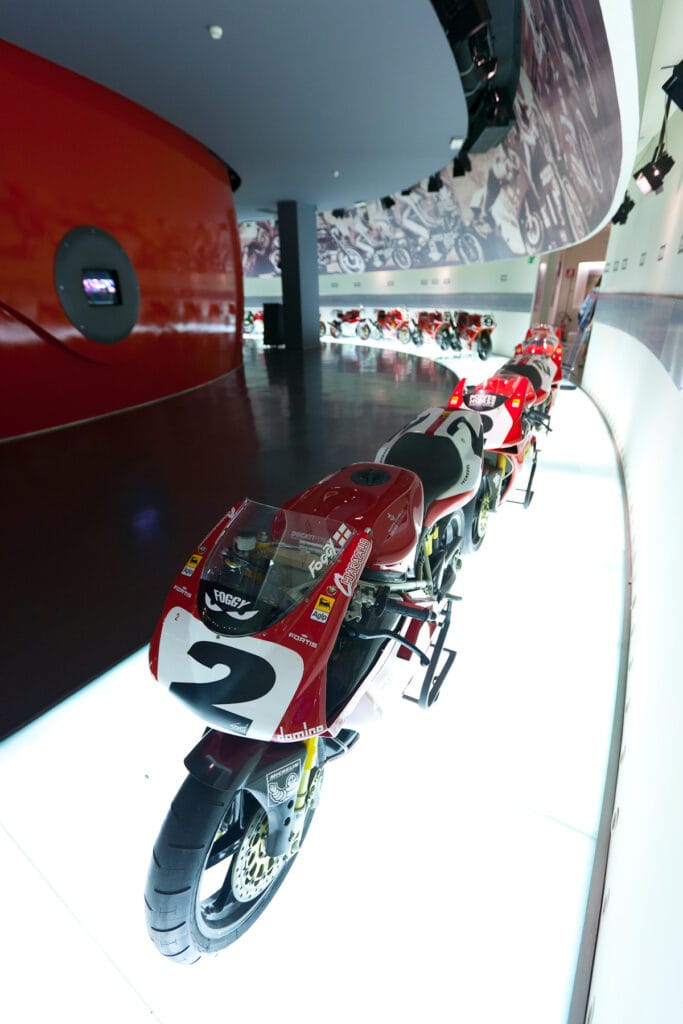
Upon approaching the museum, visitors are greeted by a modern, sleek structure that aligns with the aesthetic principles Ducati embodies: precision, elegance, and high-performance design. The entrance is marked by large Ducati branding and an inviting lobby area that sets the tone for the experience. The interior immediately impresses with clean lines, polished floors, and professionally curated displays. The environment is both welcoming and informative, emphasizing the importance of this cultural landmark in the world of motorbiking. The museum’s layout is straightforward, allowing visitors to navigate through the chronological and thematic displays with ease. Early exhibits include the foundational technology and initial models that highlight Ducati’s origins. The overall presentation uses lighting and space effectively to draw attention to individual motorcycles and artifacts, underscoring their significance in the broader story being told.
Highlights and Key Exhibitions
One of the standout aspects of the Ducati Museum is its comprehensive array of motorcycles that chart the brand’s progression from humble beginnings to global prominence. The exhibition includes some of the earliest motorbikes, showcasing the development of Ducati’s pioneering desmodromic valve system which has become a hallmark of their engineering excellence. Significant racing models are prominently displayed, reflecting Ducati's storied motorsport legacy, including their successes in MotoGP and World Superbike championships. The museum also dedicates space to the aesthetic evolution of Ducati motorcycles, illustrating shifts in design philosophy and technological upgrades across different decades.
Attention is given to accessories, components, and memorabilia which provide further context to Ducati’s cultural impact. The exhibits are enriched by detailed information panels that explain the technical specifications and historical significance of each piece. This granular approach will delight enthusiasts while offering lay visitors a clear understanding of why Ducati motorcycles command such reverence. Although the museum’s permanent collection remains consistent, the facility benefits from well-maintained, high-quality displays that ensure each item is presented with clarity and prominence.
Visitor Experience
The Ducati Museum excels not only in the quality of its exhibits but in creating an immersive and educational environment for visitors. Multilingual signage caters to an international audience, though Italian remains the predominant language. Audio guides or guided tours are available and highly recommended for those who want deeper insight into the intricacies of Ducati’s engineering and history. The design of the space encourages a leisurely pace, providing ample room to admire the craftsmanship up close.
Beyond the motorcycles themselves, the museum’s atmosphere is infused with a palpable sense of heritage and pride. Exhibits are thoughtfully arranged to create a narrative flow, allowing visitors to experience the innovations and milestones in sequence. Interactive elements, while limited, include digital timelines and video footage, offering dynamic complements to the physical displays. The staff are generally well-informed and approachable, ready to assist with inquiries or enhance the learning experience. While the museum primarily appeals to motorbike enthusiasts, its approachable presentation style makes it accessible to families and casual visitors interested in industrial design or Italian culture.
Tickets, Access, and Planning
Planning a visit to the Ducati Museum requires consideration of timing and transport options, given its location within a working factory area on the outskirts of Bologna. The museum is accessible by car with parking available nearby, and public transport options connect it to central Bologna, though visitors should verify schedules in advance to ensure smooth transfers. Opening hours are relatively standard, but it is advisable to check for seasonal variations or holiday closures.
Ticket pricing is straightforward and affordable, with concessions available for children, seniors, and groups. Combination tours, which include factory visits or guided experiences, may be offered but should be confirmed through official channels prior to arrival. The official Ducati website provides up-to-date information on ticketing, visitor requirements, and any additional programming. Accessibility may be somewhat limited for visitors with mobility impairments, as parts of the museum and factory complex are industrial in nature, though efforts have been made to accommodate needs where possible. Photography is typically permitted, which is a boon for enthusiasts wishing to capture the details of their favorite machines.
Final Verdict
The Ducati Museum is a well-curated, engaging destination that offers an in-depth look into one of Italy’s most celebrated industrial and sporting legacies. Its strength lies in the comprehensive and well-documented display of motorcycles that faithfully represent Ducati’s journey from technical beginnings to a global motorsport powerhouse. The museum balances technical detail with accessible storytelling, ensuring a broad appeal. While it primarily caters to motorbike aficionados, the combination of historical insight, industrial design, and Italian cultural pride makes it a worthwhile destination for diverse audiences.
Some visitors might find the location slightly removed from the city center and the factory environment less polished than traditional art museums, but these factors are outweighed by the authenticity and depth of the experience. The absence of frequent temporary exhibitions means that repeat visits can feel somewhat repetitive, yet the quality of the permanent collection and the passionate narrative surrounding Ducati ensure its continued relevance. Ultimately, the museum succeeds in celebrating the brand’s heritage with sophistication and respect, making it a rewarding stop for anyone interested in motorcycles, engineering, or Italian craftsmanship.