Danmarks Industrimuseum Review
Industrial Museums · Horsens, Denmark. Danmarks Industrimuseum, located in Horsens, Denmark, serves as a crucial repository of the nation’s industrial heritage, charting the dramatic transformations brought about by industrialization in Denmark from the 19th century onwards. Fou…

Industrial Museums · Horsens, Denmark. Danmarks Industrimuseum, located in Horsens, Denmark, serves as a crucial repository of the nation’s industrial heritage, charting the dramatic transformations brought about by industrialization in Denmark from the 19th century onwards. Fou…
Best forScience, technology, hands-on learning
Review focusCollections, visitor experience, and practical planning
Historical Context
Danmarks Industrimuseum, located in Horsens, Denmark, serves as a crucial repository of the nation’s industrial heritage, charting the dramatic transformations brought about by industrialization in Denmark from the 19th century onwards. Founded with the purpose of preserving and illustrating the technological and social facets of Denmark’s industrial past, the museum captures the evolution from handcrafted production methods to mechanized manufacturing. Horsens itself, historically an industrial hub, provides a fitting backdrop that enriches the narrative. The museum’s focus extends beyond mere machinery; it contextualizes the industrial revolution’s impact on everyday life, labor conditions, and economic development. This historical framing offers visitors insight into how industrial progress shaped Denmark’s society and identity over time. By combining artifacts, archival materials, and interactive exhibits, it situates Denmark within the broader currents of European industrial advancement while emphasizing local contributions and innovations. Danmarks Industrimuseum thus stands as both a cultural institution and an educational resource that chronicles industrial Denmark’s pivotal epochs.
What You See on Arrival
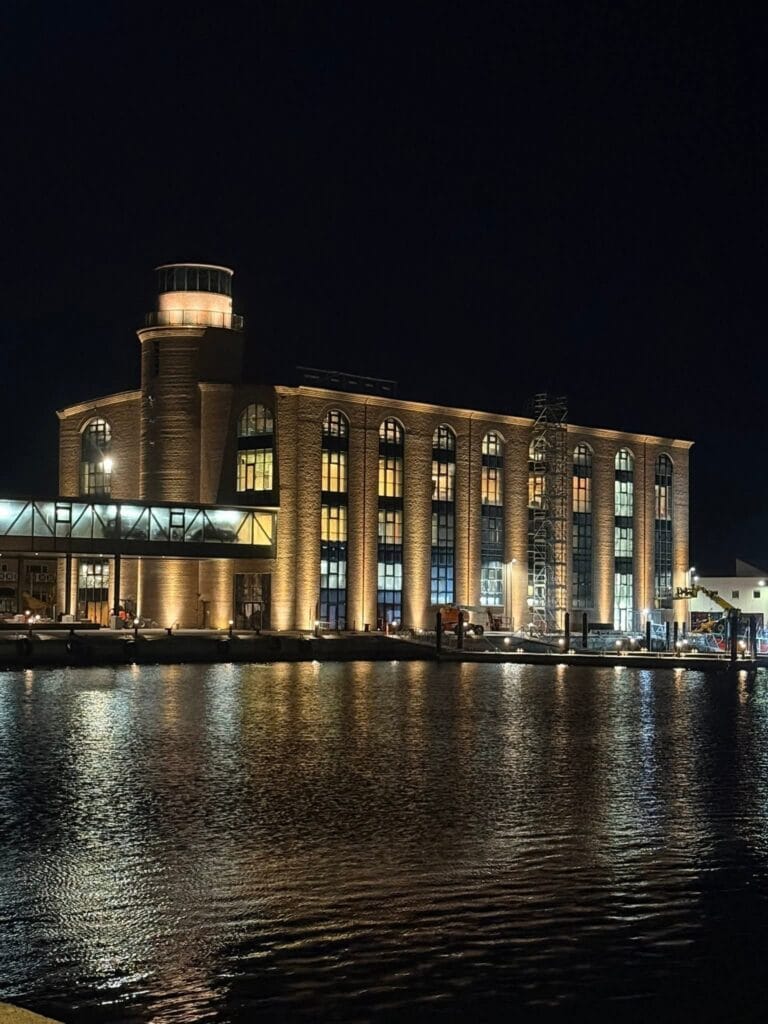
Upon arrival at Danmarks Industrimuseum, visitors are greeted by a striking complex that melds traditional industrial architecture with contemporary design elements. The museum occupies a former workshop and factory building, which has been thoughtfully restored and adapted for public engagement. Its exterior features robust red brickwork and tall chimneys characteristic of 19th and early 20th-century industrial sites. The setting immediately conveys a strong sense of place and historical authenticity, drawing attention to the museum’s dedication to preserving industrial heritage. Positioned just outside the town center of Horsens, the site is accessible yet distinct, providing a contemplative space removed enough from urban distractions to focus on the industrial narrative. Large windows and open-plan entrances ensure ample natural light, welcoming visitors into a world that honors both form and function. Signage at the entrance reflects a clean, modern aesthetic, complementing the museum’s dual role as a historical site and educational facility. This initial encounter sets the tone for an immersive exploration of Denmark’s industrial journey.
Highlights and Key Exhibitions
Danmarks Industrimuseum’s collection spans an impressive breadth of industries, technology, and manufacturing methods that collectively narrate Danish industrial development. One of the most notable sections is the demonstration of traditional crafts transitioning into mechanized production, where original machinery from various sectors is displayed alongside detailed explanations of their operational contexts. Visitors can explore vintage textile equipment, printing presses, metalworking tools, and components from the burgeoning automotive and electrical industries. The museum also features reconstructions of factory floors and workshops, complete with preserved machines and workplace setups that vividly evoke the atmosphere of an industrial workplace in its heyday. Interactive displays provide hands-on learning opportunities, making complex engineering concepts accessible. The story of labor is given particular attention, with exhibits focusing on workers’ lives, social conditions, and the rise of trade unions. Special sections dedicated to Horsens as an industrial center lend a local flavor, exhibiting products and innovations that emerged from the area. By combining technical, social, and economic perspectives, the museum provides a multifaceted understanding of industrialization’s impact.
Visitor Experience
The visitor experience at Danmarks Industrimuseum is designed to be engaging and educational for a wide audience, encompassing students, families, historians, and technology enthusiasts alike. The layout is logical and easy to navigate, with clear signage and informative panels in Danish and English, facilitating comprehension for both domestic and international visitors. Audio guides and multimedia presentations supplement the exhibits effectively without overwhelming the senses. The museum’s emphasis on interactivity, such as opportunities to operate simplified machinery replicas or participate in workshops, encourages active learning. Staff are generally knowledgeable and approachable, ready to provide additional context or answer questions. The museum café and shop complement the visit, offering refreshments and themed souvenirs. However, some visitors may find the extensive amount of technical detail challenging if they are less familiar with industrial terminology or engineering concepts. The museum balances this by including human interest stories and visual aids, although certain sections could benefit from further simplification to enhance accessibility for younger audiences or casual visitors. Overall, the museum manages to maintain a balance between depth and appeal.
Tickets, Access, and Planning
Ticket prices at Danmarks Industrimuseum are reasonable, offering options that cater to individuals, families, and groups. Discounts are typically available for seniors, students, and children, making the museum accessible to a diverse range of visitors. The official website provides up-to-date information on opening hours, seasonal variations, and any temporary closures, which is essential to consult when planning a visit. The museum is well connected to Horsens town center by public transport and is also accessible by car, with parking facilities available onsite. Accessibility features for visitors with mobility impairments include ramps, elevators, and adapted restrooms, ensuring a comfortable experience. While the museum’s signage is bilingual, detailed information and guides might not always be fully available in languages beyond Danish and English, which could pose challenges for some international tourists. The museum recommends allotting at least two hours for a thorough visit, although enthusiasts of industrial history may wish to allocate more time. Group visits and school trips can be arranged in advance, often with guided tours to enhance educational value.
Final Verdict
Danmarks Industrimuseum stands as a commendable institution dedicated to preserving and presenting Denmark’s industrial heritage with both rigor and creativity. Its location in Horsens, a historically significant industrial town, adds authenticity and relevance to its exhibits. The museum excels in offering a comprehensive and nuanced portrayal of industrialization, balancing technological artifacts with social history to provide a well-rounded narrative. Visitors can expect a thoughtfully curated experience that is intellectually stimulating, visually engaging, and often hands-on. While some technical aspects may be dense for casual visitors, the museum’s efforts to incorporate interactive and accessible elements soften this challenge. Practical considerations such as ticket pricing, accessibility, and clear planning information enhance the overall visitor experience. As a cultural and educational establishment, Danmarks Industrimuseum is highly recommended for anyone interested in industrial history, Danish heritage, or technology. It effectively bridges the past and present, encouraging reflection on the forces that shaped modern Denmark.