Chengdu Museum Review
Archaeology Museums · Chengdu, China. The Chengdu Museum, situated in the heart of Chengdu, China, offers a comprehensive glimpse into the rich cultural and historical heritage of Sichuan Province and its surroundings. The museum itself stands as a testament…
Archaeology Museums · Chengdu, China. The Chengdu Museum, situated in the heart of Chengdu, China, offers a comprehensive glimpse into the rich cultural and historical heritage of Sichuan Province and its surroundings. The museum itself stands as a testament…
Best forScience, technology, hands-on learning
Review focusExhibits, interpretation, visitor flow
Historical Context
The Chengdu Museum, situated in the heart of Chengdu, China, offers a comprehensive glimpse into the rich cultural and historical heritage of Sichuan Province and its surroundings. The museum itself stands as a testament to the city’s long-standing significance in Chinese history, which dates back more than two millennia. Chengdu has historically been a political, economic, and cultural hub, and this institution seeks to encapsulate those multifaceted contributions through a carefully curated collection. The Chengdu Museum was established to serve both as a guardian of local artifacts and as an educational center promoting awareness of the region’s historical trajectory from ancient times through to the modern era. It forms an integral part of the city’s cultural landscape, reflecting its importance in the broader tapestry of Chinese civilization. By focusing on archaeological finds, traditional crafts, and historical narratives, the museum provides visitors with valuable insight into Chengdu’s evolution and its enduring role in shaping regional identity.
What You See on Arrival
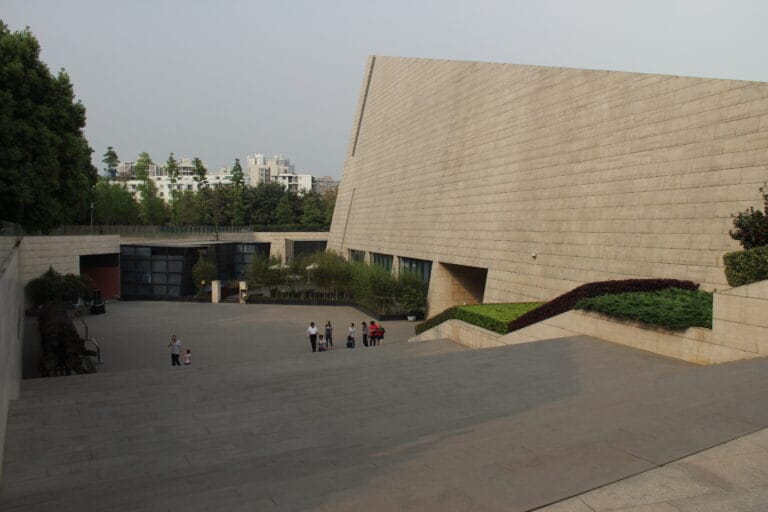
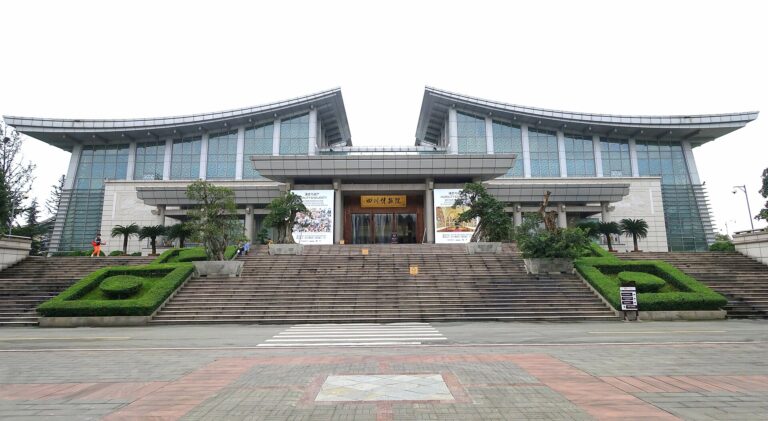
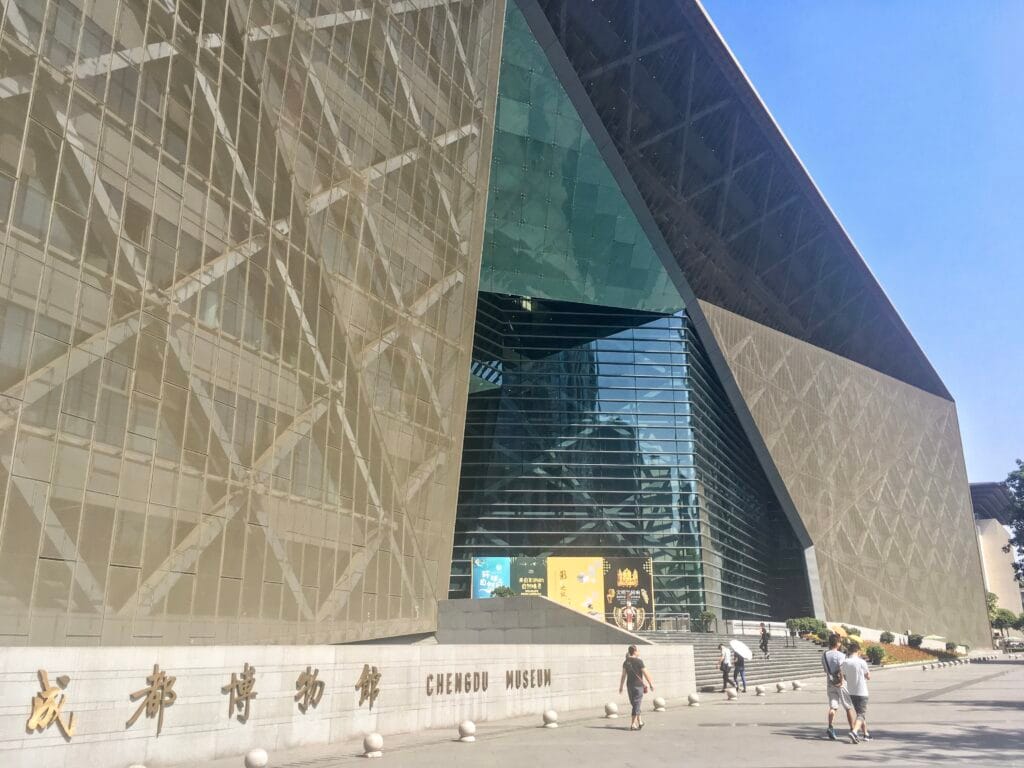
Upon approach, the Chengdu Museum impresses visitors with its striking modern architecture that blends contemporary design elements with subtle nods to traditional Chinese aesthetics. The facility’s expansive footprint and its carefully landscaped surroundings create an inviting and spacious welcome area. The exterior’s sleek lines and glass components contrast softly with stonework reminiscent of historic Sichuan architecture, signaling both innovation and respect for the past. At the main entrance, visitors encounter a sizable plaza that often serves as a gathering or orientation point. Just inside the grand doors, the lobby is spacious and thoughtfully arranged to manage steady visitor flow comfortably. Reception and information desks are situated prominently, alongside accessible digital kiosks for easy navigation of the museum’s offerings. Early impressions are of a well-organized, bright space that immediately communicates a balance of educational seriousness and accessibility. Even without venturing further, the initial areas hint at the museum’s dedication to comprehensive storytelling and cultural preservation.
Highlights and Key Exhibitions
The core of the Chengdu Museum resides in its extensive and diverse exhibition galleries, which collectively chart the historical and cultural evolution of Chengdu and the surrounding Sichuan region. Permanent exhibitions stand out for their archaeological significance, especially in showcasing relics unearthed from nearby ancient sites. These include exquisite examples of bronze ware, pottery, and jade artifacts dating to the Warring States period and beyond. The museum successfully contextualizes these finds within larger Chinese cultural and political frameworks, effectively telling stories of local sovereignty, craftsmanship, and trade.
Another highlight is the display dedicated to the Sichuan Basin's natural history and ethnographic heritage. Detailed dioramas and artifact showcases engage with traditional lifestyles, folk customs, and regional arts, providing visitors with a tangible sense of place and continuity. The presentation of traditional Sichuan opera masks and costumes is particularly vivid, illustrating the visual creativity and cultural vitality for which the region is renowned.
In addition, the museum offers thoughtfully curated historical timelines that walk visitors through Chengdu’s pivotal role in the Three Kingdoms period and subsequent dynasties. These well-lit galleries utilize a mix of media, including historical texts, maps, and multimedia installations, to deepen appreciation of Chengdu's strategic military, political, and cultural contributions to Chinese history.
Overall, the balance between archaeological treasures, ethnographic displays, and historical narratives ensures that the collection appeals to a wide spectrum of interests, from history enthusiasts and cultural scholars to general visitors with a curiosity about regional identity.
Visitor Experience
The museum’s layout encourages a logical progression through thematic zones, making it accessible and engaging for a broad audience. Clear signage and multilingual descriptions assist non-Chinese speakers, thereby enhancing international accessibility. Interactive elements, where employed, are subtle yet effective in breaking up the more traditional display cases, facilitating active visitor participation without detracting from the scholarly atmosphere.
Visitor amenities are thoughtfully integrated, with seating areas and quiet zones that permit moments of reflection between galleries. The museum also provides educational programs aimed at families, students, and scholars, although these programs require checking with official channels for the latest schedules and availability.
Staff members are generally reported to be knowledgeable and approachable, contributing positively to the overall experience, although visitor feedback indicates that during peak times, the museum can become crowded, somewhat limiting the intimacy of certain exhibit areas. Audioguides and digital apps are available and help deepen understanding of the exhibits for those seeking a more detailed narrative.
Cafeteria services and gift shops linked to local artisanal products and cultural souvenirs provide added layers to visitor engagement, making the museum a space suitable for both half-day visits and more immersive cultural excursions.
Tickets, Access, and Planning
Tickets to the Chengdu Museum are reasonably priced, with concessions available for students, seniors, and groups. Admission fees support the museum’s maintenance and programming but remain modest enough to encourage widespread public access. Online ticket purchasing is facilitated through the official museum website, offering convenience and efficient entry.
Accessibility is a notable strength of the museum, with facilities designed to accommodate visitors with mobility challenges. Elevators, ramps, and accessible restrooms are standard throughout the building, reflecting a commitment to inclusivity. Family-friendly amenities, including stroller access and child-specific programming, further enhance the museum’s appeal for diverse visitorship.
Location-wise, the museum is situated within easy reach of public transportation routes, including buses and the metro, making it highly convenient for both locals and tourists. Nearby parking facilities are ample, although availability can vary during busy periods or special events.
Visitors are advised to check the museum’s official website for the latest operating hours, holiday closures, and potential restrictions, especially during holidays or public health advisories. Planning ahead is advisable to ensure the opportunity to engage fully with exhibitions without rushing.
Final Verdict
The Chengdu Museum stands as a thoughtfully curated institution that offers a balanced and insightful exploration of the region’s history and culture. Its strength lies not only in the quality and range of its collections but also in the manner of their presentation, which skillfully bridges ancient artistry, ethnographic richness, and historical significance.
While no museum is without areas for growth, the Chengdu Museum’s contemporary facilities, clear interpretive signage, and visitor amenities demonstrate a strong commitment to accessibility and education. High visitor volume during peak tourist seasons may occasionally challenge the tranquility of the experience, yet the breadth of offerings compensates well, offering something meaningful for virtually every interest.
For those seeking to better understand Chengdu’s layered past and vibrant cultural identity, this museum provides a comprehensive and rewarding visit. It is both a cultural repository and an educational venue, emblematic of the city’s status as a significant historical crossroads. Engaging, informative, and well-presented, the Chengdu Museum rightly deserves its place among the premier cultural institutions of Sichuan Province.