California State Railroad Museum Review
Railway Museums · Sacramento, United States. The California State Railroad Museum in Sacramento stands as a testament to the profound impact railroads had on the development of California and the broader American West. Railroads were pivotal in shaping the economic…
Railway Museums · Sacramento, United States. The California State Railroad Museum in Sacramento stands as a testament to the profound impact railroads had on the development of California and the broader American West. Railroads were pivotal in shaping the economic…
Best forScience, technology, hands-on learning
Review focusRailway collections, locomotives, and visitor planning
Historical Context
The California State Railroad Museum in Sacramento stands as a testament to the profound impact railroads had on the development of California and the broader American West. Railroads were pivotal in shaping the economic growth, expansion, and cultural integration of the region during the 19th and early 20th centuries. The completion of the First Transcontinental Railroad in 1869, with Sacramento as a significant hub, symbolized a monumental achievement in engineering and transportation, bridging the eastern United States with the Pacific Coast. This momentous event fostered trade, migration, and communication across vast distances, catalyzing the transformation of California from a frontier territory into a prosperous state. The museum captures this transformative history by dedicating its collection to preserving and interpreting not only locomotives and railcars but also the stories of the workers, communities, and innovations that defined the railroad’s golden age. Its position within Old Sacramento reflects the city’s historical importance as a railroad nexus and invites visitors to appreciate the technological and social advances that emerged from this era.
What You See on Arrival
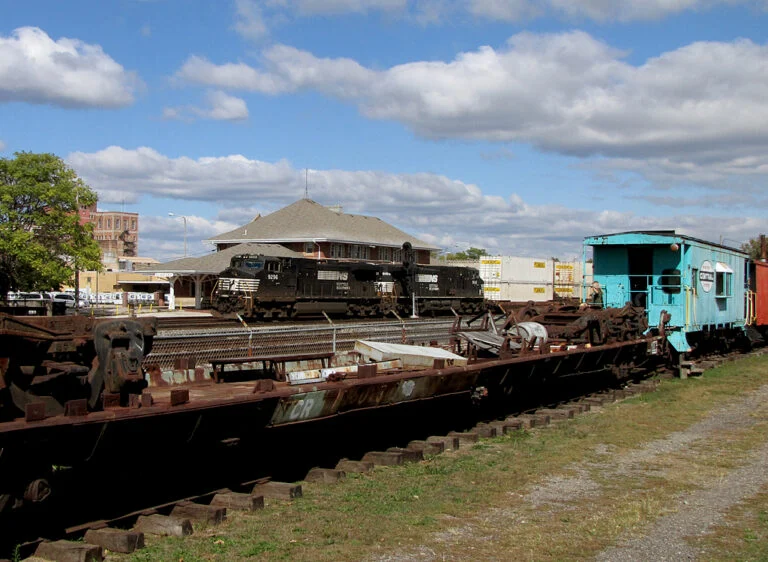
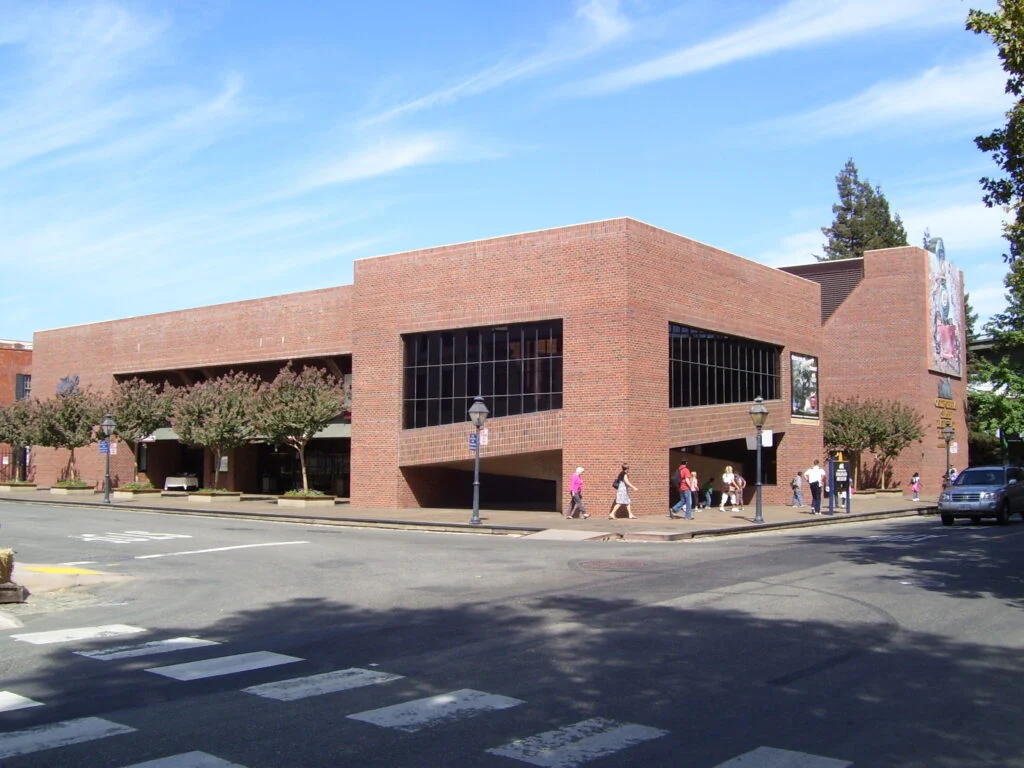
Entering the vicinity of the California State Railroad Museum, visitors are immediately struck by the expansive and striking museum complex itself. The building is designed to evoke the grand depots of the railroad era, with large doors and spacious interiors that hint at the scale and significance of the exhibits within. Surrounding the museum in the Old Sacramento State Historic Park, the atmosphere echoes the mid-19th-century railroad town environment. On arrival, visitors encounter an outdoor area where restored locomotives and rolling stock are displayed, offering an imposing preview of the detailed craftsmanship inside. The grounds are open and accessible, allowing guests to explore the exterior of several locomotives and railroad cars, which range from freight wagons to elegant passenger cars, all meticulously preserved. This initial visual encounter sets the tone for an immersive experience into the industrial might and the cultural heritage of rail transportation.
Highlights and Key Exhibitions
The museum’s core strength lies in its comprehensive display of rail equipment and interpretive exhibits focusing on the evolution of railroading in California and the western United States. Among the most noteworthy attractions are the meticulously restored steam locomotives, some dating back to the late 1800s, which represent different railroad companies and eras. These engines are displayed indoors, allowing for close inspection of their mechanical intricacies and imposing design. Accompanying these locomotives are a variety of passenger cars, including dining and sleeping cars showcasing the luxury and comfort afforded to travelers during rail’s heyday.
Beyond the rolling stock, the museum offers richly detailed dioramas and interpretive panels that contextualize the railroad’s impact on commerce, migration, and daily life. Exhibits spend time exploring the workforce, highlighting the contributions and challenges of diverse groups involved in railroad construction and operation, such as Chinese laborers, whose efforts were vital yet historically underappreciated. Model train layouts further illustrate the complexity of railroad networks and operational logistics.
In addition to the comprehensive permanent collection, demonstration areas and multimedia presentations add layers to the visitor’s understanding. The museum’s commitment to presenting both the technological and human stories of railroading ensures a balanced narrative, with artifacts ranging from tools and uniforms to historical documents and photographs.
Visitor Experience
The California State Railroad Museum is widely recognized for its engaging and educational approach. The spacious galleries allow visitors to move freely among the locomotives and cars, providing ample opportunities for detailed viewing and photography. Interpretive signage is clear and informative, but not overly technical, making the subject matter accessible to a general audience including families and those new to railroad history. While the museum offers structured guided tours at certain times, the layout encourages self-directed exploration, which can be particularly appealing to those who prefer to set their own pace.
Staff and volunteers on site are generally noted for their knowledge and enthusiasm, offering additional insights and answering questions. The museum’s use of interactive exhibits and audio-visual media contributes to an immersive experience, particularly for younger visitors, though some might find that certain areas could benefit from more hands-on elements to further engage children and teens.
Facilities such as seating areas and restrooms are well-maintained, and the adjoining museum store provides a curated selection of railroad-related books, souvenirs, and educational materials. The museum’s proximity to the historic district of Sacramento enriches the visit, as one can combine educational activities with exploration of the city’s heritage.
Tickets, Access, and Planning
Planning a visit to the California State Railroad Museum is straightforward due to clear information provided on their official website. Ticket prices are reasonable given the depth and scope of the museum’s offerings, with discounts often available for children, seniors, and groups. Admission typically includes access to all permanent galleries, outdoor exhibits, and special demonstrations without additional fees, offering good value for those interested in railroad history.
The museum’s opening hours are generally convenient, but it is advisable to check seasonal variations or holiday closures before planning a trip. Located in downtown Sacramento, the museum is accessible via public transportation, with nearby parking lots available for those arriving by car. The site is wheelchair accessible and offers accommodations both in the galleries and restrooms, contributing to an inclusive experience.
For visitors who wish to delve deeper, the museum is part of a broader network of cultural and historical attractions in Sacramento, including connections to the Old Sacramento Waterfront, which are easily reachable on foot. The museum also offers educational programs and events that can enrich a visit but should be confirmed in advance through official channels.
Final Verdict
The California State Railroad Museum stands as a benchmark in the preservation and presentation of railroad heritage in the United States, with particular emphasis on California’s pivotal role in railroad history. Its strength lies in a well-curated, extensive collection of locomotives and rolling stock complemented by compelling interpretive content that balances technological achievement with social history. The museum appeals broadly to rail enthusiasts, history buffs, families, and educators seeking an insightful window into the transformative power of railroads on the American West.
While the museum excels in traditional displays, some visitors might desire additional interactive features or expanded programming targeting younger audiences to further enliven the experience. Nonetheless, the overall visitor amenities, knowledgeable staff, and the museum’s prime location in historic Sacramento make it a highly recommended destination. It successfully captures the spirit of an era when railroads were more than transportation—they were engines of progress and cultural change. For anyone interested in the story of American expansion, engineering innovation, or California’s unique development, this museum provides an engaging and educational journey through the history of railroads.