Ca’ Rezzonico
Art Museums · Venice, Italy. Ca' Rezzonico is a museum dedicated primarily to 18th-century Venetian art and culture. Situated along the Grand Canal in Venice, Italy, it occupies an 18th-century palazzo that was originally designed as a grand residence…
Best forMuseum lovers, culture travelers, first-time visitors
Setting / nearbyVenice, Italy
Overview
Ca' Rezzonico is a museum dedicated primarily to 18th-century Venetian art and culture. Situated along the Grand Canal in Venice, Italy, it occupies an 18th-century palazzo that was originally designed as a grand residence for a wealthy Venetian family. The museum functions as both an art museum and a historic house museum, offering visitors insight into the lifestyle and aesthetic values of Venice during the 1700s. It is part of the civic museums network of Venice and contributes to an understanding of the city’s artistic production in a period when Venice was a major cultural center in Europe.
The museum’s focus lies broadly on Venetian painting, sculpture, decorative arts, and furnishings from the 18th century. This period in Venetian history is characterized by a flourishing of arts connected to the city’s social and political environment before its decline as a maritime power. As such, Ca' Rezzonico provides a specialized lens on a specific cultural moment, emphasizing the ornate, theatrical, and often intimate nature of Venetian art during this era. Its setting in a historical palace adds a layer of context to the collection, as visitors can observe not only artworks but also period interiors that attempt to recreate an aristocratic Venetian household.
Collection Highlights
The collection within Ca' Rezzonico showcases paintings by notable Venetian artists of the 18th century, alongside decorative works, furniture, and objects that belonged to Venetian noble families. Among the painters represented are Giovanni Battista Tiepolo and Giambattista Piazzetta, whose works embody the grandeur and expressive qualities emblematic of the period’s artistry. Tiepolo’s ceiling frescoes, originally commissioned for Venetian palaces and churches, exemplify the lightness and vibrancy that defined Venetian Rococo painting. While the museum hosts some of these frescoes, others were relocated here for preservation and display.
In addition to paintings, the museum holds an array of decorative arts including porcelain, glassware, and silverwork, often crafted by Venetian artisans or imported to Venice during the 18th century. These objects help illustrate the tastes and social customs of the Venetian aristocracy. The furniture collection complements this by demonstrating styles and craftsmanship from the period, contributing to an immersive experience of domestic life in an aristocratic context.
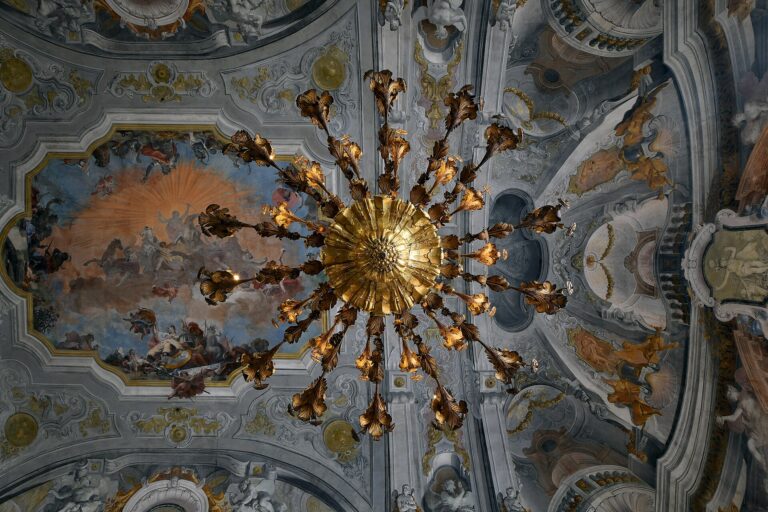
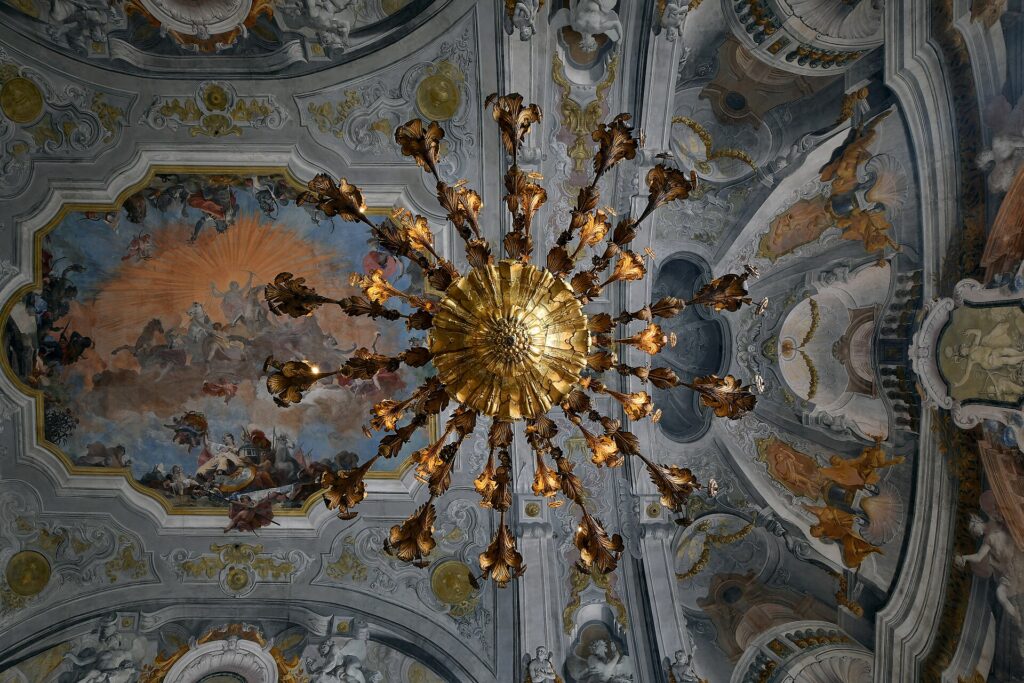
Visitors will find rooms set up to reflect historical interiors with period-appropriate decorations, which serve to bridge the gap between art collection and historic preservation. The museum also preserves decorative ceiling paintings and stuccoes within its rooms, which themselves can be considered works of art. This combination offers a multifaceted view of Venetian culture rather than a narrow focus on isolated pieces.
While the museum’s strength lies in its 18th-century holdings, the range is somewhat specialized and may not offer an extensive survey of Venetian art across all periods. Those seeking a broader chronological overview of Venetian art might find Ca' Rezzonico limited in scope, but it serves well as a focused study of the Baroque and Rococo era in Venice.
Building and Setting
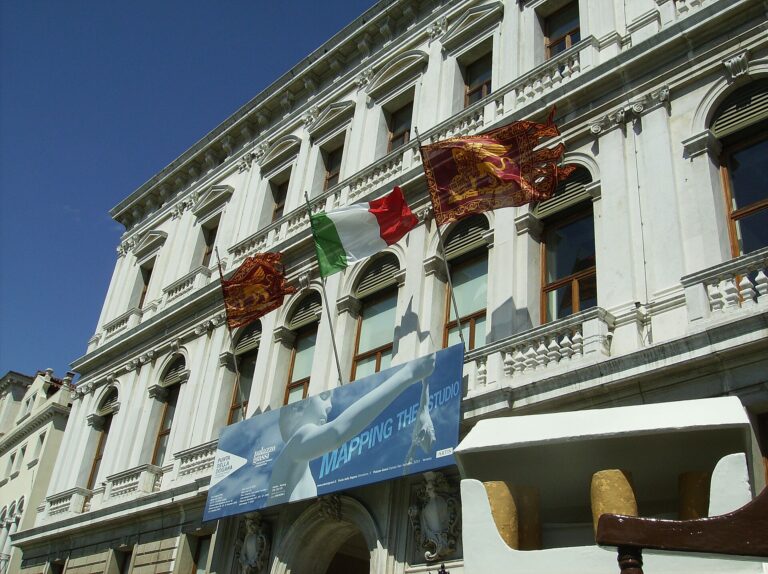
Ca' Rezzonico occupies a palazzo on the Grand Canal, situated between the Accademia Bridge and the Campo San Barnaba in the Dorsoduro district. The building itself is an important part of the museum’s appeal, designed in the mid-18th century by the Venetian architect Baldassarre Longhena and later completed by Giorgio Massari. It was intended as a grand palatial residence but only came to completion in the mid-18th century.
The multi-story building contains elaborately decorated rooms, including grand halls, salons, and ceremonial spaces that reveal the scale and opulence of Venetian noble living during the 1700s. The architecture combines baroque and rococo elements, with ornate stuccoes, frescoes, and sculptural decorations integrated into the interior spaces. This setting creates a direct relationship between the art on display and the environment that would have once housed similar objects.
The location on the Grand Canal is significant as well, placing the museum in the historic heart of Venice where such palaces once formed a continuous line of elite residences. The district of Dorsoduro is known for its mix of artistic, residential, and cultural sites, enhancing the museum’s contextual milieu.
Visitors should be aware that, as a historical palazzo, the layout includes staircases and several levels, which may affect ease of movement for those with mobility concerns. The building reflects its 18th-century origins, so modern conveniences may be limited in some areas.
Practical Information
Information about current opening hours, ticketing, accessibility, visitor services, and guided tours is best confirmed directly through the museum’s official channels or website. Details such as admission fees, available discounts, and any temporary exhibition schedules may vary with the season and special programming.
It is advisable to consult official sources before planning a visit, especially since Venice can be affected by high tourist volumes and seasonal factors such as acqua alta (periodic flooding), which occasionally impacts museum operations.
While the museum offers a comprehensive presentation of its permanent collection, temporary exhibitions can rotate, slightly altering the visitor experience. Photographic policies and rules about group visits may apply, so checking current visitor guidelines beforehand can be helpful.
Accessibility is sometimes challenging in older buildings of Venice, including Ca' Rezzonico, due to historic construction and preservation constraints. Potential visitors requiring assistance or accommodations should inquire specifically about facilities such as elevators or adapted routes.
Why Visit
Ca' Rezzonico stands out as a museum for those interested in a deep dive into Venetian art and culture during the 18th century. Its dual role as both an art museum and a historic house museum allows for a richer experience than a standard gallery might offer. Visitors encounter not just paintings and sculptures but also decorative objects and interiors that illustrate how art functioned in Venetian domestic and social life.
Unlike broader art collections which span many periods and geographic areas, Ca' Rezzonico’s focused approach allows for a detailed understanding of this specific cultural moment. This can suit visitors with particular interests in Rococo art, Venetian society, or baroque architecture. The presence of important painters from the period, particularly Tiepolo, adds significant artistic weight to the museum’s holdings.
At the same time, the museum may be less suitable for visitors looking for a wide-ranging survey of Venice’s entire artistic heritage or those expecting interactive, high-tech displays common in some contemporary museums. Its historic setting places emphasis on preservation and traditional presentation methods. Visitors should be prepared for a more contemplative and visually refined atmosphere.
Because the museum is located in a comparatively quieter part of Venice compared to areas near St. Mark’s Square or Rialto, it offers a chance to explore a residential and artistic quarter with fewer crowds. This can enhance the experience of engaging with the art and architecture in a relaxed manner.
In conclusion, Ca' Rezzonico serves a specific but meaningful role in Venice’s collection of civic museums. It offers a distinctive encounter with 18th-century Venetian art and aristocratic life through its setting and exhibits. Visitors who appreciate historical context, period interiors, and the particularities of Venetian baroque and rococo will find the museum rewarding. As with any visit to Venice’s cultural institutions, checking updated visitor information through official sources is recommended to ensure a well-planned experience.