Bibliotheca Alexandrina Antiquities Museum Review
Alexandria, Egypt. The Bibliotheca Alexandrina Antiquities Museum is situated within the larger complex of the Bibliotheca Alexandrina in Alexandria, Egypt. This modern library and cultural center serves as a symbolic and functional attempt to revive the…
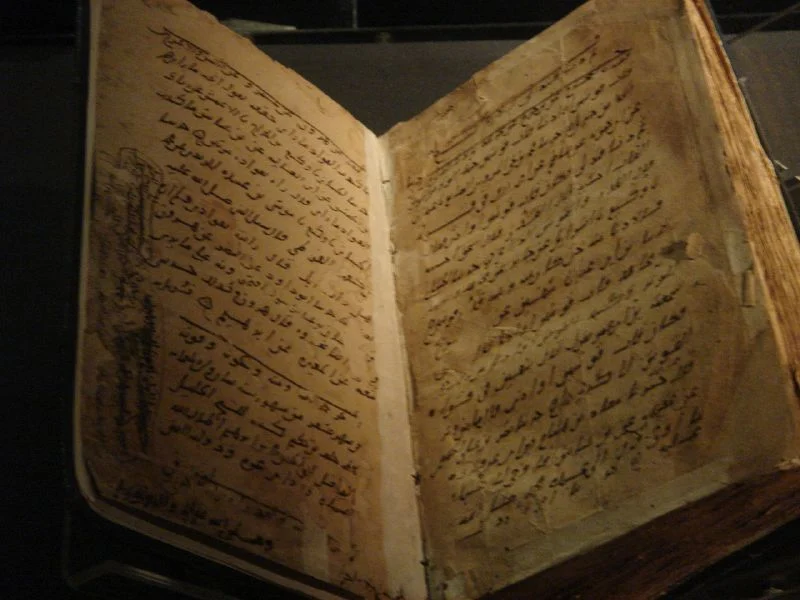
Alexandria, Egypt. The Bibliotheca Alexandrina Antiquities Museum is situated within the larger complex of the Bibliotheca Alexandrina in Alexandria, Egypt. This modern library and cultural center serves as a symbolic and functional attempt to revive the…
Best forMuseum lovers, culture travelers, first-time visitors
Review focusCollections, visitor experience, and practical planning
Historical Context
The Bibliotheca Alexandrina Antiquities Museum is situated within the larger complex of the Bibliotheca Alexandrina in Alexandria, Egypt. This modern library and cultural center serves as a symbolic and functional attempt to revive the legacy of the ancient Library of Alexandria, one of the most renowned centers of learning and scholarship in the Classical world. While the ancient library itself was lost to time, the contemporary institution reinstates Alexandria as a node of intellectual and historical significance, gathering knowledge from past eras and bridging them with the present.
Within this context, the Antiquities Museum complements the library’s mission by offering a tangible encounter with the material culture of Egypt and the Mediterranean region. Alexandria, historically a melting pot of Egyptian, Greek, Roman, and later Islamic influences, is a fitting location for a museum dedicated to antiquities, connecting visitors directly to artifacts that reflect this layered past. The museum situates itself in a city that was once a vibrant hub of commerce, culture, and scholarly activity, and its collections underscore Alexandria’s role through various historical periods.
The Antiquities Museum is not merely a display of artifacts but part of the broader cultural and educational objectives of the Bibliotheca Alexandrina institution. It underscores the commitment to preserving and showcasing ancient heritage within a contemporary framework, balancing scholarship with public engagement. Visitors interested in Mediterranean archaeology and the ancient world will find that this museum articulates a specific narrative of Alexandria’s past, one that is enriched by its geographic and historic crossroads character.
What You See on Arrival
Approaching the Bibliotheca Alexandrina Antiquities Museum, visitors first encounter the striking architecture of the Bibliotheca Alexandrina itself. This modern structure, designed with a distinctive tilting disc-like form that references the sun and the cosmos, sets a tone of intellectual openness and modern cultural ambition. The museum is housed inside this complex, which conveys a clear message: this is not a traditional antiquities museum in an old building but part of a contemporary cultural and scholarly hub.
Outside and upon entrance, there is a sense of transition—from the modern world into the layers of Alexandria’s ancient past. The setting, away from the city’s more conventional archaeological spots, frames the museum as a deliberate educational environment. The museum’s identity is marked by its connection to the library and its emphasis on integrating knowledge and historical material culture.
Visitors arriving at the museum can expect clear links between the exhibitions and the library’s resources. This relationship creates a distinct intellectual framing, where browsing ancient artifacts can prompt a deeper engagement with historical texts and research materials accessible within the same complex. The immediate impression is one of thematic coherence: this is a place where history is both observed and studied.
Highlights and Key Exhibitions
The core strength of the Bibliotheca Alexandrina Antiquities Museum lies in its collection of artifacts that span several key historical periods relevant to Alexandria and its surrounding regions. This includes objects from Pharaonic Egypt but focuses considerably on the Greco-Roman and early Byzantine eras, reflecting the city’s multicultural past.
The museum’s displays typically include statues, architectural fragments, inscriptions, and everyday artifacts such as pottery and tools. One of the most notable thematic strands of the collection is the interplay of Egyptian and Hellenistic artistic and cultural influences, which shaped Alexandria's identity from its founding by Alexander the Great in 331 BCE onward.
Visitors will see sculptural works that demonstrate the fusion of Egyptian iconography with Greek stylistic elements. These pieces provide concrete evidence of the cultural syncretism that took place in Alexandria, a city where native Egyptian traditions encountered imported Hellenistic culture. Funerary objects and religious artifacts also illustrate the blending of belief systems and artistic conventions.
Epigraphic materials on display serve to connect the visual culture to written records, offering insights into political, religious, and social life. Inscriptions in Greek and Demotic scripts testify to the multilingual character of the city. Such objects are essential for understanding how Alexandria was organized and how its population navigated different cultural identities.
In addition to sculptural and epigraphic material, the museum often presents finds related to Alexandria’s urban fabric. Architectural remains capture elements of the city’s public and religious architecture, reconstructed through fragments that evoke the grandeur of lost structures. These artifacts allow visitors to contemplate Alexandria’s urban development and its role as a major port and cultural center.
The museum’s Egyptian collection, while perhaps not as extensive as the national museums in Cairo, offers quality pieces that connect to the more widely known legacy of ancient Egypt. Statues, stelae, and inscriptions from previous dynasties provide context for Alexandria’s later historical phases, framing the city within Egypt’s longer chronology.
Taken together, these collections make the museum a focused venue for understanding Alexandria’s unique position as a Mediterranean metropolis shaped by overlapping civilizations. The emphasis on Greco-Roman and early Christian artefacts distinguishes it from museums concentrating solely on Pharaonic antiquities, offering a more nuanced regional narrative.
Visitor Experience
The museum’s layout and exhibition design generally support a paced, thoughtful exploration of its material culture. The displays are organized thematically and chronologically, guiding visitors through the city’s development and its artistic expressions. This structure reveals the layers of Alexandrian history without overwhelming the audience with dense information.
Interpretive panels offer essential context, though the depth of explanation may vary. Visitors with some background in Mediterranean archaeology or Egyptian history will appreciate the connections and details provided. Those less familiar might find some sections more challenging unless they accompany their visit with supplementary reading. The museum focuses on presenting tangible artifacts, with less reliance on multimedia or interactive technology, so the experience is largely contemplative and material-based.
The audience this museum suits best includes scholars, students, and engaged visitors interested in the historical complexity of Alexandria. The museum’s emphasis on cultural hybridity and material evidence caters well to people who want to move beyond generalized narratives of ancient Egypt to see a more localized and nuanced history.
The atmosphere can be quieter and more academic compared to large national museums. This may appeal to visitors wishing to avoid the crowds typically found at more famous archaeological venues in Egypt. It may also mean that visitors need to manage their expectations about the scale and diversity of the collection. The museum is significant but specialized rather than encyclopedic.
One limitation worth noting is the museum’s relatively modest scale and concentration on certain chronological periods, which may leave visitors wanting a broader survey of Egypt’s ancient past. For a fuller understanding of Egyptian archaeology, one would still need to supplement the visit with Egypt’s national institutions.
Tickets, Access, and Planning
Information about tickets, hours, and access at the Bibliotheca Alexandrina Antiquities Museum should be confirmed via its official website or reliable local sources before planning a visit. The museum forms part of a larger cultural institution with its own operational policies, which may differ from standalone museums.
Prospective visitors should verify current opening times, admission fees, and any requirements such as advance bookings, especially given changing circumstances that can affect public venues in Egypt. It is also advisable to check for any available visitor services, including accessibility accommodations and guided tours, directly from official channels.
The location within the Bibliotheca Alexandrina complex places the museum in a modern building with public transport options in Alexandria, though visitors unfamiliar with the city should allow additional time for navigation and consider language needs for orientation. Planning a visit in conjunction with exploring the broader cultural and academic offerings in the complex might enrich the experience.
Final Verdict
The Bibliotheca Alexandrina Antiquities Museum offers a measured and focused experience of Alexandria’s ancient material culture, with particular emphasis on the city’s Greco-Roman and early Christian periods. It succeeds in situating these artifacts within the conceptual framework of the modern library, connecting visitors not only to objects but also to a longer scholarly tradition that the Bibliotheca represents.
Its collection is strong in illustrating the city’s multicultural nature and its role as an intersection of Egyptian and Mediterranean civilizations. This makes the museum especially suitable for visitors interested in the complexities of cultural exchange and the evolution of Alexandria’s historical identity. However, it is important to recognize the museum’s scale and scope: it is not designed to compete with Egypt’s large national museums in terms of breadth or the number of artifacts.
Visitors without prior background in the history of Alexandria or ancient Mediterranean archaeology may need some preparatory reading to fully appreciate the collection’s nuances. The museum approach leans towards an academic and reflective style rather than entertainment or highly interactive engagement. This may be a strength for those seeking depth but a limitation for casual visitors expecting more accessible interpretation.
Practically, planning a visit should include checking official information about opening times and admissions. The location within the Bibliotheca Alexandrina means access is tied closely to the operating hours of the wider complex.
In summary, the Bibliotheca Alexandrina Antiquities Museum is a distinctive institution within Egypt’s cultural landscape. It offers a window into the city’s layered past and the broader Mediterranean world that shaped it. Although it is specialized and occasionally requires a prepared visitor to get the most from it, the museum’s role in preserving and presenting Alexandria’s antiquities makes it a valuable site for historical and archaeological engagement in Egypt.