Aga Khan Museum Review
Art Museums · Toronto, Canada. Situated in the vibrant city of Toronto, Canada, the Aga Khan Museum stands as a distinguished institution dedicated to the preservation and celebration of Islamic art, culture, and history. Established in 2014, the museum…
Art Museums · Toronto, Canada. Situated in the vibrant city of Toronto, Canada, the Aga Khan Museum stands as a distinguished institution dedicated to the preservation and celebration of Islamic art, culture, and history. Established in 2014, the museum…
Best forMasterpieces, architecture, cultural history
Review focusCollection highlights, building, visitor flow
Historical Context
Situated in the vibrant city of Toronto, Canada, the Aga Khan Museum stands as a distinguished institution dedicated to the preservation and celebration of Islamic art, culture, and history. Established in 2014, the museum reflects a significant contemporary effort to broaden the understanding of Muslim civilizations across centuries and continents. Funded by the Aga Khan Trust for Culture, the museum embodies a philanthropic vision that intertwines cultural education with dialogue and inclusivity. While the institution itself is relatively new, its collection comprises works spanning over a thousand years, encompassing regions from the Middle East and North Africa to South Asia and beyond. The museum’s role is especially important within the multicultural landscape of Toronto, serving as both a cultural beacon and a space for intercultural exchange. By situating Islamic arts within a global heritage framework, the Aga Khan Museum contributes to the wider narrative of art history and cross-cultural understanding.
What You See on Arrival
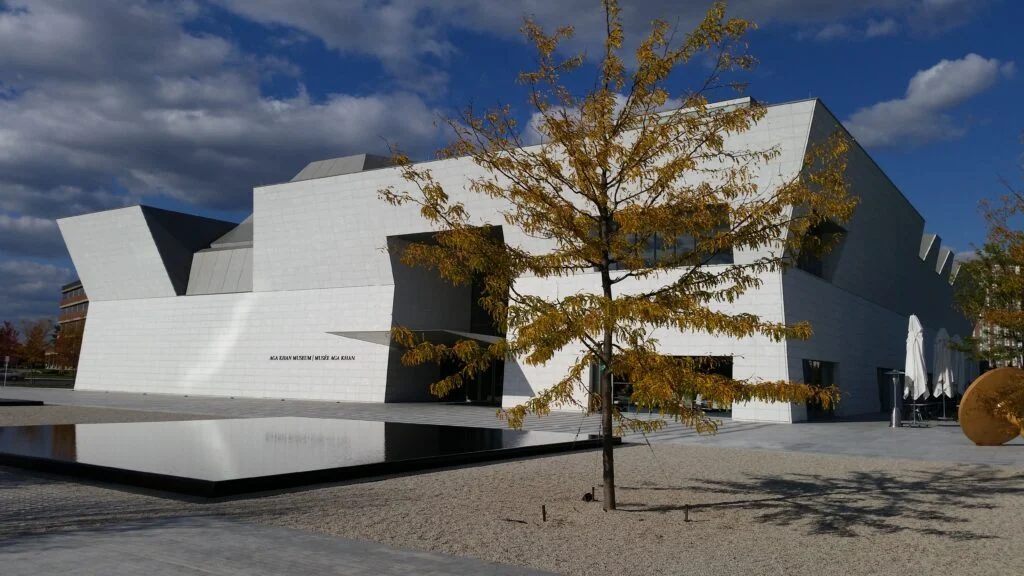
Approaching the Aga Khan Museum, visitors are immediately struck by the building’s architectural presence. The structure, designed to harmonize traditional Islamic motifs with contemporary aesthetics, is set within expansive grounds that include a reflecting pool and tastefully curated gardens. The exterior, primarily crafted from limestone, offers clean, geometric lines reminiscent of classical Islamic architecture but interpreted through a modern lens. Its minimalist yet grand façade creates an inviting but contemplative atmosphere, signaling a space that honors both heritage and innovation. The entrance plaza is a serene setting that subtly prepares visitors for the cultural journey inside. Upon entry, visitors are greeted by a spacious lobby featuring a balance of modern design elements and references to traditional craftsmanship, setting the tone for the museum’s blend of historical richness and contemporary relevance.
Highlights and Key Exhibitions
The Aga Khan Museum’s permanent collection is its defining feature, with a particularly strong focus on Islamic art from across multiple eras and geographic regions. The variety of objects on display ranges from exquisite ceramics, textiles, and jewelry to manuscripts, calligraphy, and metalwork, each piece representing a unique story or aspect of Islamic culture and history. Among the highlights is a remarkable collection of illuminated manuscripts, including Qur’anic texts that showcase the exquisite artistry of calligraphers over centuries. The museum’s decorative arts collection features stunning examples of tile work and intricate carved wood, which reflect the diversity and splendour of Islamic design traditions.
Special attention is given to the way the museum presents its collection, emphasizing not only aesthetic beauty but also cultural context and historical narratives. The exhibits are arranged so that visitors can appreciate thematic connections, such as the interaction between Islamic art and other world cultures through trade, migration, and empire. The museum also dedicates gallery spaces to the themes of spirituality, learning, and innovation, providing a comprehensive picture of Islamic civilization’s contributions to world culture.
Temporary exhibitions, while not referenced here specifically, often complement the permanent collection by exploring contemporary interpretations or underrepresented areas of Islamic art. Overall, the museum’s curatorial approach reflects a balance between scholarly detail and accessibility, making the collection appealing to both specialists and general audiences.
Visitor Experience
The visitor experience at the Aga Khan Museum is carefully crafted to be both educational and engaging. Signage throughout the galleries is clear and informative, providing context without overwhelming the visitor with academic jargon. Labels are bilingual, typically presented in English and French, enhancing accessibility within Canada’s linguistic landscape. Audio guides and multimedia presentations further enrich the experience, including opportunities to hear expert commentary or view contextual films that deepen understanding of the artworks and their significance.
The museum’s layout encourages a natural flow through the various galleries, making it easy to explore at leisure. Seating areas and reflective spots are strategically positioned, inviting visitors to pause and absorb the atmosphere. The ambient lighting and thoughtful display techniques emphasize the artistry of the objects while allowing sufficient comfort to minimize eye strain.
Beyond the galleries, the museum includes spaces such as a museum shop offering a curated selection of books and art-inspired merchandise, and a café where visitors can relax amid serene surroundings. The Aga Khan Museum is not just a place to view art but a venue fostering cultural appreciation and contemplation, enhanced by the welcoming, respectful environment offered to all guests.
Tickets, Access, and Planning
Admission to the Aga Khan Museum is straightforward, with ticket options suitable for different types of visitors including adults, seniors, students, and children. Pricing is competitive with other cultural institutions in Toronto, with occasional discounts or free admission days that encourage accessibility for wider audiences. Visitors are also encouraged to check the official website for the most current information on hours and any special programming.
The museum is conveniently located east of downtown Toronto and accessible via public transportation, with clear signage facilitating pedestrian access from nearby transit stops. Ample parking is available onsite for those arriving by car. Universal design principles guide the museum’s accessibility provisions: the facility is fully wheelchair accessible, with elevators, ramps, and accessible washrooms. Additional accommodations such as assistive listening devices and guide services are available and detailed on the museum’s official website.
Planning a visit benefits from some preparation due to the museum’s expansive grounds and the depth of the collection. Visitors should allocate at least two to three hours to fully experience the galleries and related amenities. Photography policies are well defined; casual photography without flash is often permitted, though specific exhibitions may have additional restrictions.
Final Verdict
The Aga Khan Museum stands out as a premier cultural institution in Toronto and within the broader context of Canadian and international museums dedicated to Islamic art and culture. Its blend of architectural beauty, thoughtfully curated collections, and visitor-friendly amenities create a rich and immersive experience. The museum’s commitment to education, dialogue, and cultural preservation is evident in every aspect, from its scholarly exhibitions to its welcoming public spaces.
While the museum excels in showcasing a diverse and significant collection, its emphasis on contextual storytelling invites visitors beyond mere appreciation of aesthetic value into an understanding of the broader cultural and historical significance of Islamic civilizations. Some visitors might find the content dense at times, but the museum’s interpretation tools largely mitigate this challenge.
Overall, the Aga Khan Museum is a vital destination for anyone interested in art, history, and intercultural understanding. It contributes meaningfully to the cultural fabric of Toronto while providing a global perspective that resonates far beyond Canadian borders. For scholars, art enthusiasts, families, or casual visitors, this museum offers a distinctive and rewarding encounter with the richness of Islamic art and heritage.