
Review: Old master prints pack a punch at the Dallas Museum of Art
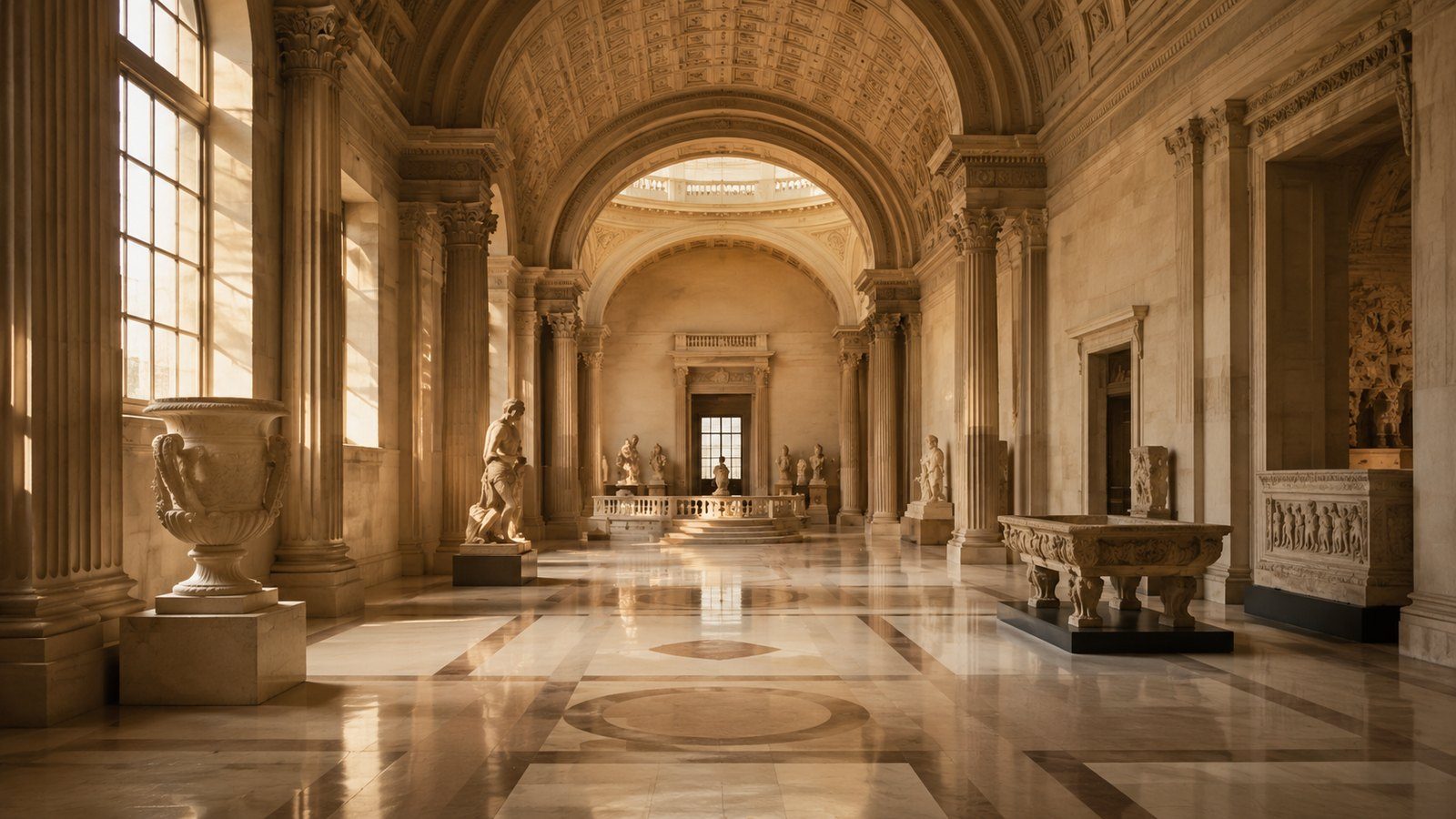
The Dallas Museum of Art’s latest exhibition of old master prints presents an invigorating reminder of the enduring power and precision of this often-underappreciated art form. Showcasing a diverse array of works from some of the most revered names in art history, the collection invites visitors to discover how centuries-old techniques continue to resonate with contemporary audiences. It’s a thoughtful curation that balances historical significance with an accessible and intimate viewing experience.
Stepping into the gallery, visitors are immediately struck by the delicate intricacy and bold expressiveness captured on each print. From the meticulous cross-hatching of Albrecht Dürer to the fluid line work of Rembrandt van Rijn, the exhibition highlights the unique language of printmaking — a medium that marries technical skill with creative innovation. The prints, with their varied textures and tonalities, reveal the artists’ mastery in translating their visions onto paper with a vividness that often rivals painting.
What makes the exhibition in Dallas so compelling is its ability to contextualize these prints, not just as historical artifacts but as living dialogues between past and present. Curators have thoughtfully arranged the works to lead viewers through a progression that underscores evolving aesthetic concerns, thematic preoccupations, and technical advancements across generations. Historical narratives subtly weave through the collection, allowing the audience to appreciate the prints as both standalone masterpieces and as meaningful contributions to broader artistic conversations.
Among the standout pieces, visitors will find some rare gems that capture the zeitgeist of their time, from mythological scenes brimming with symbolic detail to somber biblical narratives that convey profound emotional depth. The attention to detail in every engraving encourages a slow, contemplative viewing that rewards patience and curiosity. The exhibition also challenges stereotypes about printmaking as merely a reproductive technique by spotlighting the originality and intentionality each artist invested.
Beyond the art itself, the Dallas Museum of Art has created an atmosphere that fosters connection and reflection. Soft lighting and ample space between works invite visitors to linger, to notice subtleties that might otherwise be overlooked in more crowded settings. Informative plaques are discreet but insightful, providing context without overwhelming. Additionally, the museum’s commitment to accessibility is evident in its thoughtful layout and programming, welcoming both longtime art lovers and new audiences eager to learn about this fascinating medium.
The exhibition also subtly hints at the broader resurgence of interest in prints in the contemporary art world. Many modern artists are revisiting traditional printmaking techniques, finding fresh ways to push boundaries while honoring classical craftsmanship. By spotlighting the masterpieces of the past, the Dallas Museum of Art fosters a renewed appreciation that can inspire today’s creators and collectors alike.
Taking in the exhibition, one leaves with a deepened understanding of the old master print as more than a historical curiosity. These works are vibrant testimonies to the skill, experimentation, and vision that have shaped art’s evolution. They remind us that even in an era dominated by digital imagery, there is an undeniable power in the human hand’s ability to create texture, depth, and emotion on a simple sheet of paper.
For anyone in Dallas or planning a visit, the museum’s old master print exhibition offers a rich, rewarding experience — a quiet yet powerful journey through art history that lingers long after the final print is examined. It’s a testament to the Dallas Museum of Art’s ongoing dedication to presenting exhibitions that educate, engage, and inspire, ensuring that the legacies of these artists continue to pack a punch with every visitor who steps through its doors.
Join the discussion
Share a thoughtful museum note, correction, or visitor perspective about this article.