
Philadelphia Seniors Explore Art and History During Visit to Princeton University Art Museum
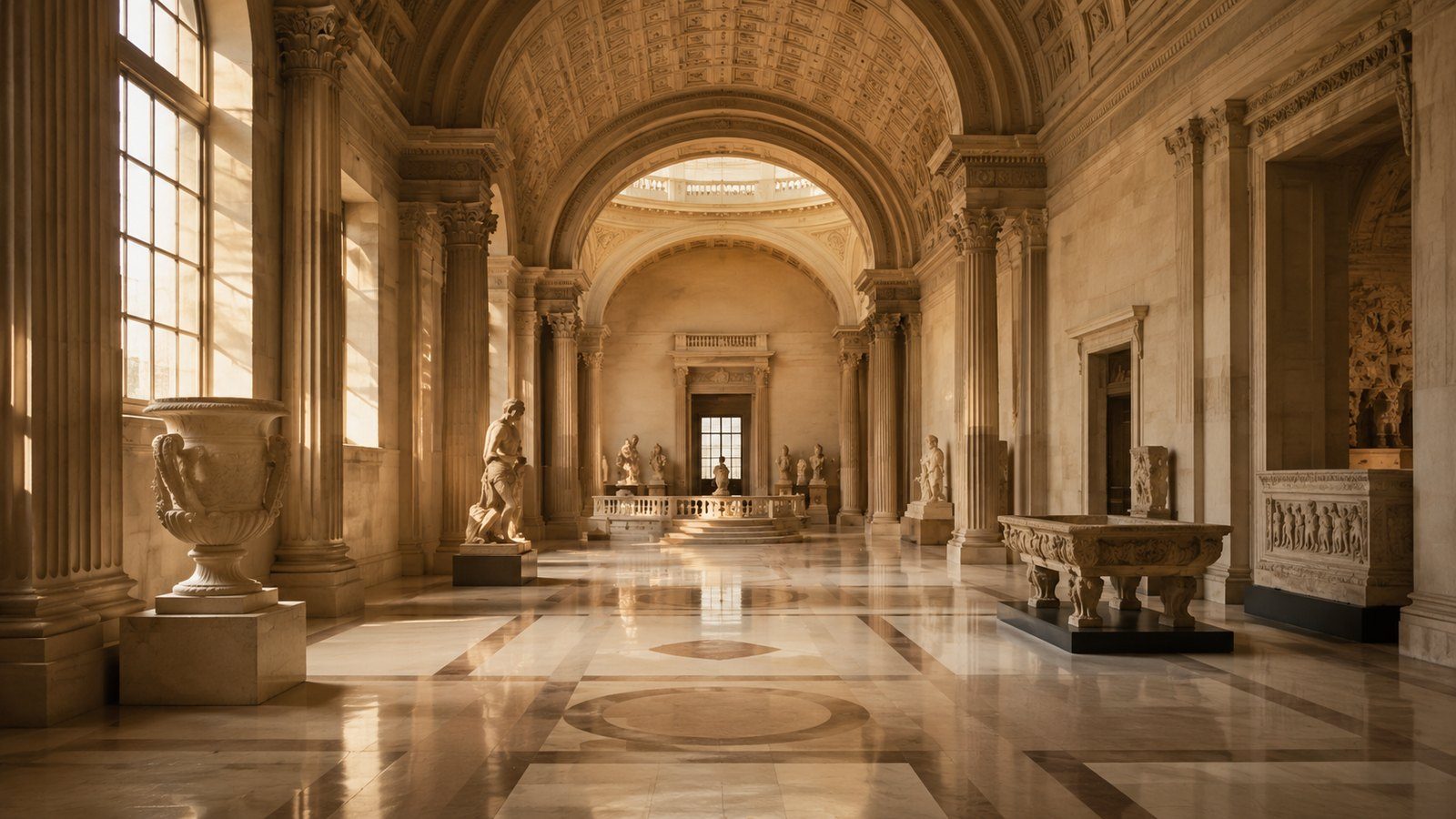
This past week, a group of seniors from Philadelphia had the opportunity to explore the remarkable Princeton University Art Museum. The visit was more than just a typical museum outing; it was part of a meaningful cultural and educational experience designed to connect older adults with art, history, and new perspectives. The museum, known for its impressive and diverse collections, welcomed these visitors with warmth, fostering an environment that encouraged curiosity and conversation.
The seniors, many of whom had never been to such an esteemed university museum, were evidently moved by the broad range of artworks on display. Spanning from ancient antiquities to contemporary pieces, the collection at Princeton’s museum offers something for everyone. For these visitors, the trip was a chance not only to see beautiful and thought-provoking works but also to engage with art in a setting that feels accessible and welcoming.
One of the highlights for the group appeared to be the museum’s collection of European paintings. The seniors admired works that reflect centuries of artistic evolution and craftsmanship. The visual dialogue between Baroque, Renaissance, and modern paintings sparked many discussions among the visitors, some of whom shared their own memories connected to the themes or styles represented in the galleries. The experience clearly went deeper than simply viewing art; it opened pathways for storytelling and reflection.
The visit also emphasized the importance of museums as community spaces where people of all ages can feel connected to history and culture. For many of the Philadelphia seniors, the museum tour was a reminder that learning and discovery do not stop at any age. It was a moment to engage with creativity and intellect, bringing joy and inspiration into their daily lives. This sentiment echoes the broader movement in museum outreach, which strives to bring diverse groups into the fold, ensuring that cultural institutions serve as inclusive hubs for lifelong learning.
Staff at the Princeton University Art Museum reported that visits like these are invaluable. They help build meaningful bridges between the museum and regional communities, fostering a two-way exchange of knowledge and experiences. The seniors were not just passive observers; their questions, insights, and presence enlivened the museum spaces. Such engagement enriches the overall atmosphere, making the museum feel alive and relevant.
It is worth noting that initiatives encouraging older adults to visit museums contribute to overall well-being. Social interaction, cognitive stimulation, and exposure to the arts have all been linked to positive health outcomes for seniors. By facilitating this group’s visit, both the Philadelphia organizers and Princeton’s museum demonstrated a thoughtful commitment to active aging and cultural participation.
This trip also reflected a growing dedication within the museum world to reach out to underserved or underrepresented audiences. Seniors, despite their life experience and deep appreciation for culture, are often overlooked in programming. By inviting this group, the museum took a step towards more inclusive practices and showcased how cultural institutions can adapt to serve broader demographics.
Furthermore, the visit was an example of how institutions can collaborate regionally. Philadelphia and Princeton may lie in different states, but their partnership through this museum experience illustrates the power of shared cultural initiatives. Such collaborations enhance access to arts and education beyond city limits, making them more equitable and impactful.
In the end, the Philadelphia seniors’ visit to the Princeton University Art Museum stands as a heartening reminder of the role museums play in community life. It is a place where art becomes a bridge across generations and geographies, where stories unfold, and where visitors, young or old, can find moments of connection and wonder. The hope is that such visits will continue to grow in frequency and variety, enriching the cultural fabric of both institutions and the communities they serve.
Join the discussion
Share a thoughtful museum note, correction, or visitor perspective about this article.