Yunnan Provincial Museum
Archaeology Museums · Kunming, China. The Yunnan Provincial Museum, located in Kunming, is a regional museum dedicated largely to the cultural, historical, and natural heritage of Yunnan Province. Yunnan's position in southwestern China, bordering several countries and hosting diverse…
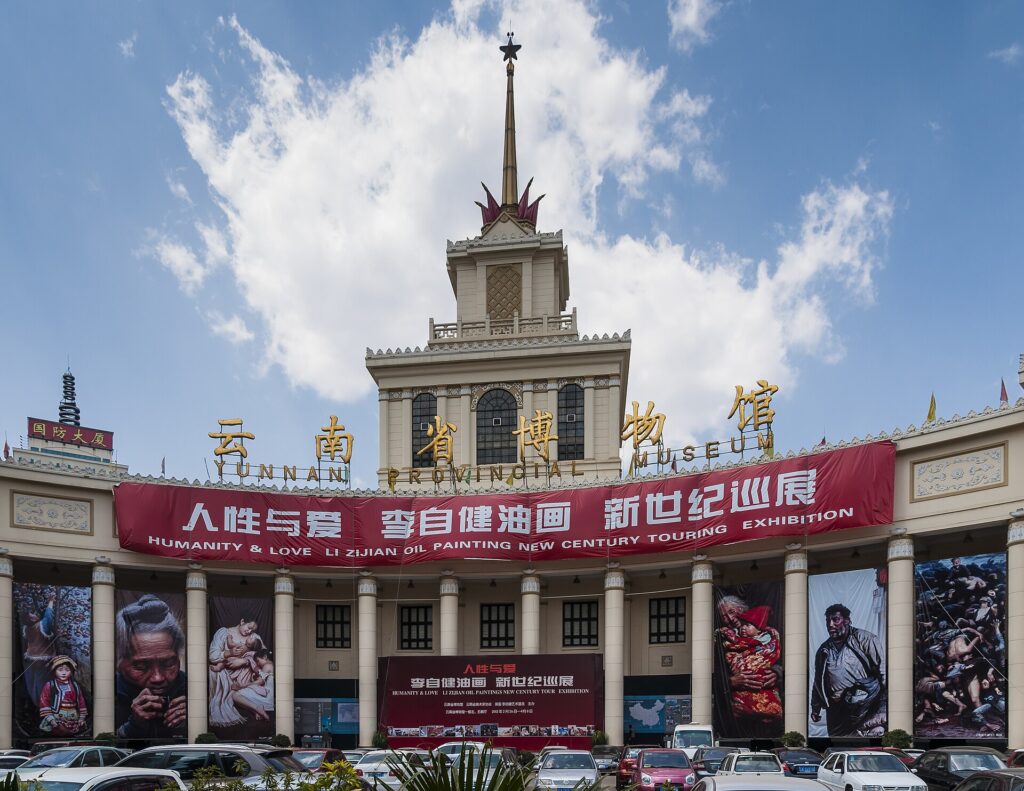
Best forMuseum lovers, culture travelers, first-time visitors
Setting / nearbyKunming, China
Overview
The Yunnan Provincial Museum, located in Kunming, is a regional museum dedicated largely to the cultural, historical, and natural heritage of Yunnan Province. Yunnan's position in southwestern China, bordering several countries and hosting diverse ethnic groups, shapes much of the museum’s character and focus. Unlike museums centered exclusively on art or archaeology, this institution combines elements of ethnography, history, and natural history to reflect the multifaceted identity of the province. Its collections aim to provide insight into Yunnan's rich cultural mosaic as well as its geological and biological diversity. This approach makes it a useful point of reference for understanding the province’s place in China and its connections to Southeast Asia.
Collection Highlights
The Yunnan Provincial Museum is known for its extensive ethnographic holdings that represent the many ethnic minorities residing within the province. Yunnan is home to more than twenty-five recognized ethnic groups, and the museum’s displays include traditional costumes, musical instruments, ritual objects, and domestically fashioned tools that reveal everyday life and cultural practices. Visitors may recognize distinctive textiles and elaborate headdresses from groups such as the Bai, Yi, and Hani peoples, illustrating the cultural vibrancy of these communities.
In addition to ethnography, the museum also preserves artifacts related to Yunnan's long human history. Archaeological finds from early agricultural settlements, Neolithic tools, and items from later historic periods reflect the province’s development over millennia. While the collection does not focus exclusively on ancient artifacts, these materials offer context for the ethnic diversity on display.
The natural history section draws attention to Yunnan’s varied geography, which includes mountains, plateaus, and tropical valleys. Exhibits showcase fossil remains, minerals, and specimens illustrating the region’s flora and fauna. This aspect of the museum helps visitors appreciate the environmental diversity that supports the province’s distinct cultures and ecosystems.
Behind the main exhibits is a sizable collection of local art and crafts, including ceramics and traditional paintings. Some exhibits explore the integration of cultural influences due to Yunnan’s location along historic trade routes, including early tea trade and Silk Road extensions that passed through the area. This adds a layer of historical commerce and cultural exchange that complements the ethnographic and natural collections.
Building and Setting
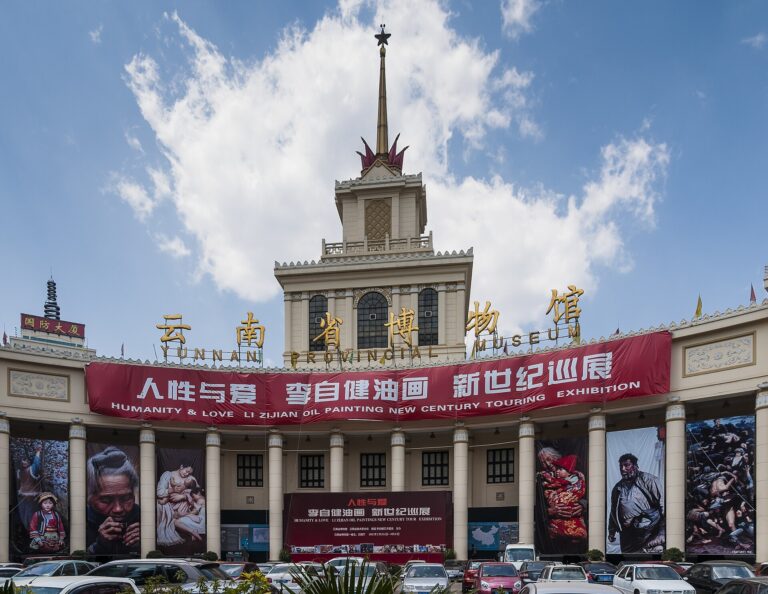
The Yunnan Provincial Museum is situated in Kunming, the provincial capital often referred to as China’s “City of Eternal Spring” due to its mild climate. The museum is housed in a modern building designed to accommodate its varied collections and large numbers of visitors. While the architectural style of the building is functional rather than monumental, it allows for spacious exhibition halls and controlled lighting necessary for preserving delicate artifacts, textiles, and natural specimens.
Its location in Kunming places the museum within easy reach of other cultural sites, parks, and urban amenities, which may make it convenient for tourists and locals interested in provincial history and culture. The city setting means the museum lacks the scenic surroundings of some site-specific museums, but its position in the provincial capital marks it as a central institution of cultural preservation and research in Yunnan.
Practical Information
It is advisable for visitors to verify current details directly through the museum’s official website or from local sources before planning a trip. Information such as opening days, hours, entry fees, accessibility provisions, and whether guided tours or audio guides are available can change and may vary seasonally or in response to public health considerations.
Because the museum covers several fields—from ethnography to natural history—potential visitors should consider how much time they can commit. The museum’s layout and possible crowd levels at peak times may also impact the experience. Those with a specific interest in any of the featured areas might want to focus their attention accordingly.
The museum’s signage and exhibition texts are generally in Chinese, and availability of multilingual materials or translations can be mixed. International visitors without Chinese language skills may find it helpful to prepare by learning key information in advance or joining guided groups if those are offered.
Why Visit
For those interested in the unique cultural and natural heritage of China’s southwestern frontier, the Yunnan Provincial Museum is a substantial resource that speaks directly to local histories and environments. While it may not match specialized museums dedicated solely to art or archaeology in terms of depth within those disciplines, its interdisciplinary scale provides a comprehensive overview of Yunnan’s identity.
Visitors curious about ethnic diversity in China will find the displays particularly informative. The museum documents not just cultural artifacts, but often contextualizes them within everyday life, customs, and belief systems of the region’s peoples. This focus offers perspectives often less emphasized in broader national museums which tend to highlight dominant Han cultural narratives.
The natural history exhibits underline how environment and biodiversity shape regional cultural patterns. This interplay between nature and human activity is a useful angle that broadens understanding beyond art and artifacts alone.
That said, the museum may be less appealing for those expecting extensive interactive or highly modernized exhibition techniques. Its presentation largely favors traditional display cases and text panels, which means visitors should be prepared for a more conventional museum experience. Its location in Kunming means it can be combined with visits to local parks or other cultural sites, enriching an itinerary focused on Yunnan’s wider cultural landscape.
Ultimately, the Yunnan Provincial Museum serves as a foundational institution for those seeking to comprehend how geography, ethnicity, history, and nature intersect in this complex province. It suits travelers and researchers alike who wish to engage with the tangible heritage of one of China’s culturally rich provinces beyond urban or Han-centric narratives. Those planning to explore the museum should consult official and up-to-date information to ensure a smooth visit, keeping in mind the breadth of the collections as well as the straightforward presentation style.