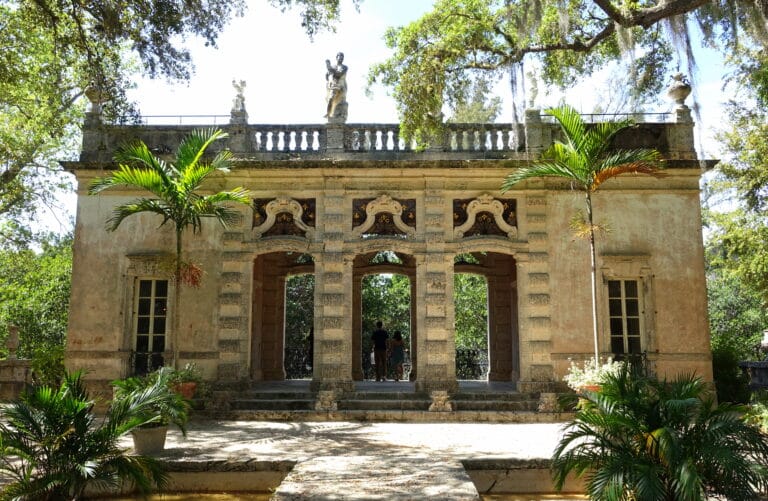
Vizcaya Museum and Gardens
House Museums · Miami, United States. The Vizcaya Museum and Gardens, located in Miami, United States, is a distinctive historic house museum set within a stunning waterfront estate. Once the winter residence of industrialist James Deering, the estate embodies the…
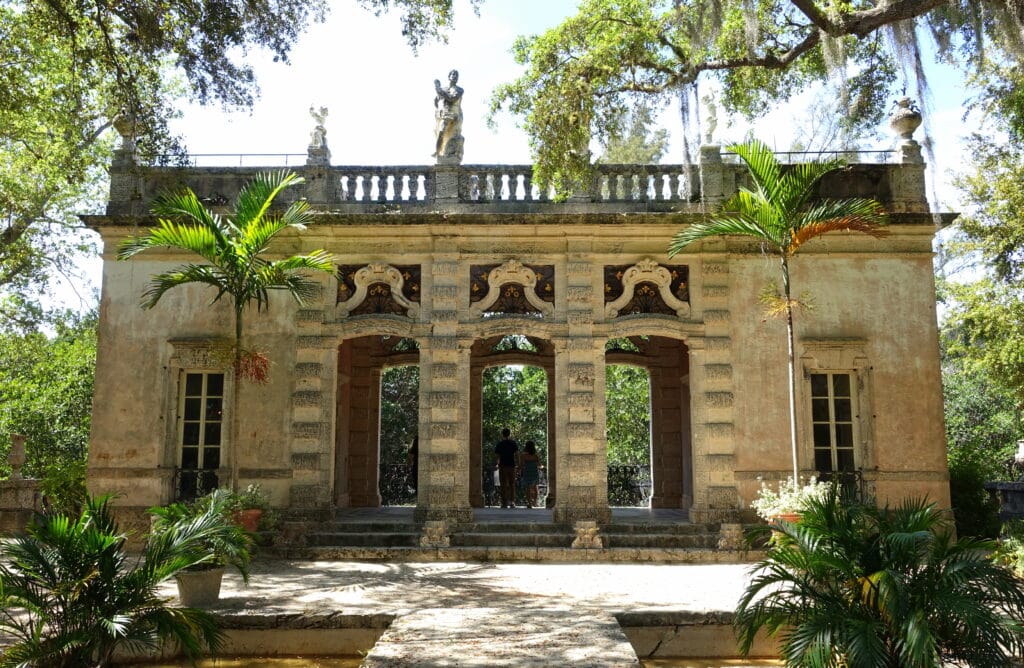
Best forMasterpieces, architecture, cultural history
Setting / nearbyMiami, United States
Overview
The Vizcaya Museum and Gardens, located in Miami, United States, is a distinctive historic house museum set within a stunning waterfront estate. Once the winter residence of industrialist James Deering, the estate embodies the elegance and grandeur of early 20th-century American Gilded Age architecture and design. Vizcaya has long been celebrated for its unique blend of European influences and tropical Floridian surroundings, offering visitors a rare glimpse into a luxurious lifestyle that harmoniously integrates art, architecture, and landscape design. This museum not only preserves the cultural heritage of an era but also serves as a vibrant space for the appreciation of decorative arts and horticultural beauty.
Collection Highlights
The heart of the museum is its extensive collection of European decorative arts, furnishings, and antiques dating primarily from the 15th to early 19th centuries. These objects were carefully selected to furnish the villa with a sense of historical continuity, reflecting Renaissance, Baroque, and Rococo styles. Visitors can appreciate intricately carved furniture, fine tapestries, and a variety of artworks including paintings, sculptures, and prints that enrich the interior spaces. Each room tells a story through its arrangement, hinting at the refined lifestyle of its original occupants.
In addition to its interior treasures, the estate’s gardens represent a monumental collection of landscape architecture. Spanning ten acres, the gardens are designed in the Italian Renaissance style and feature formal terraces, fountains, statues, and lush plantings that create a serene and enchanting atmosphere. The gardens serve as a living exhibition of horticultural artistry, where subtropical plants blend with imported European flora, fostering a unique botanical experience. Walkways and vistas offer changing perspectives of Biscayne Bay and the surrounding natural landscape, which adds to the estate’s romantic and picturesque charm.
Building and Setting
The main villa at Vizcaya is an exemplar of Mediterranean Revival architecture, infused with Italian Renaissance details and constructed using local limestone and materials imported from Europe. Its design was influenced by historic villas from the Veneto region of Italy, resulting in an architectural masterpiece that integrates indoor and outdoor living spaces seamlessly. The building’s courtyards, loggias, and arcades create a series of intimate and grand experiences, while allowing natural light and ocean breezes to permeate the interiors.
Situated on Biscayne Bay, the location provides a tranquil and scenic backdrop that enhances the aesthetic and historical significance of the site. The surrounding landscape plays a crucial role in the overall sensory experience, while the estate’s waterfront setting connects visitors to Miami’s maritime heritage. The villa, gardens, and ancillary structures together offer a comprehensive portrait of a carefully curated historic environment that merges art, nature, and life.
Practical Information
Visitors considering a trip to the Vizcaya Museum and Gardens should note that it operates as a historic house and garden museum with an emphasis on cultural and architectural heritage. It is recommended to check the museum’s official website or contact their information desk for the most current details regarding opening hours, admission fees, guided tours, and any special exhibitions or events. Since schedules and ticketing policies can change, planning ahead ensures the best possible visit.
The estate is accessible by car and public transportation, with nearby parking and facilities to accommodate a range of visitors. Accessibility provisions are in place for those with mobility needs, though navigating the gardens may require some attention due to gravel paths and outdoor terrain. Photography is generally allowed in the gardens and certain areas of the villa, but visitors should inquire about restrictions in specific rooms or exhibitions.
Why Visit
Choosing to visit the Vizcaya Museum and Gardens offers a multifaceted cultural experience that goes beyond a traditional art or historic house museum. It invites guests into an immersive environment where history and nature coexist in a harmonious dialogue. The museum not only preserves exquisite European decorative arts and elegant villa architecture but also celebrates the fusion of these elements with subtropical landscaping. This unique combination sets Vizcaya apart from many other museums dedicated solely to art or history.
The gardens themselves provide a peaceful retreat within the vibrant city of Miami, appealing to both art lovers and nature enthusiasts. Their design encourages leisurely exploration, reflection, and appreciation for the interplay of design, water, and vegetation. Equally, the interiors of the villa stimulate curiosity about early 20th-century social history, craftsmanship, and the aspirations of American elites during a period of intensive cultural exchange.
Visitors drawn to architectural beauty, historical storytelling, or simply a scenic and contemplative setting will find much to admire here. The museum’s commitment to preservation and educational outreach also ensures that each visit contributes to a broader understanding of cultural heritage and environmental stewardship. In this way, Vizcaya Museum and Gardens remains a vital and inspiring destination for a wide array of interests, making it a memorable highlight on any itinerary in Miami.