Village Museum Dar es Salaam
Dar es Salaam, Tanzania. The Village Museum Dar es Salaam reflects a distinctive approach to cultural preservation and education by presenting traditional dwellings and lifestyles from Tanzania’s various ethnic groups. Rather than simply displaying artifacts in glass cases,…
Best forMuseum lovers, culture travelers, first-time visitors
Setting / nearbyDar es Salaam, Tanzania
Overview
The Village Museum Dar es Salaam reflects a distinctive approach to cultural preservation and education by presenting traditional dwellings and lifestyles from Tanzania’s various ethnic groups. Rather than simply displaying artifacts in glass cases, it allows visitors to experience, in one place, a range of original houses and buildings representing key communities throughout the country. This open-air folk museum serves as a kind of architectural and social map that illustrates rural life in Tanzania before rapid modernization. The museum places a strong emphasis on how daily life, customs, and crafts were shaped by the environment and cultural practices of these groups.
Collection Highlights
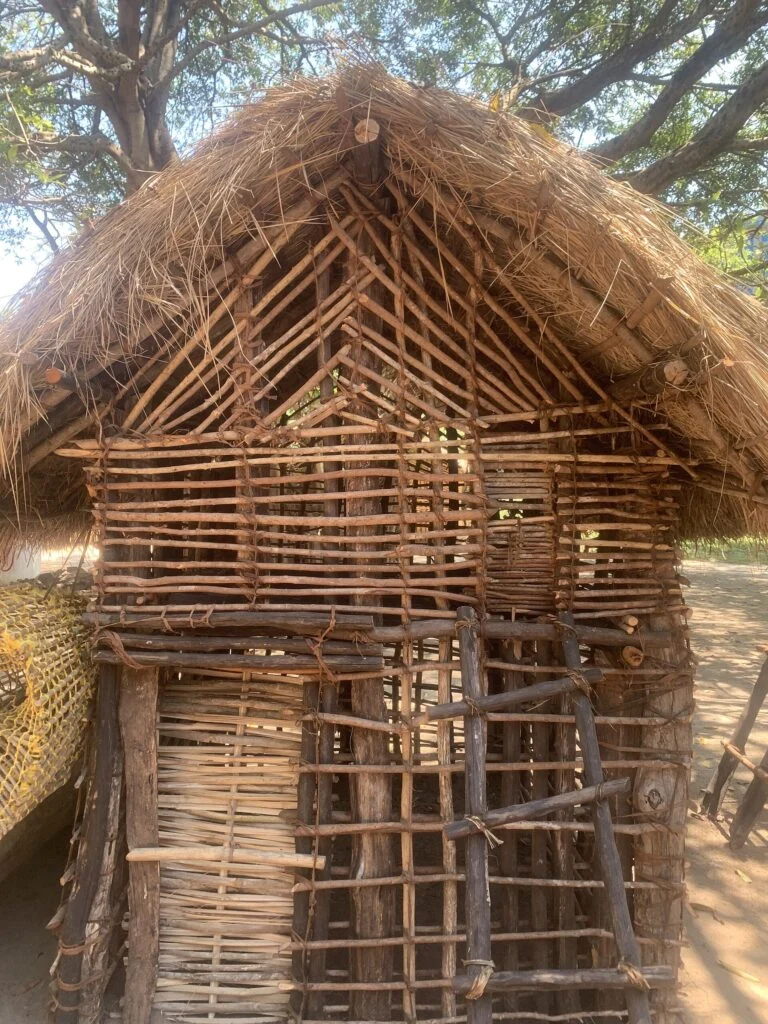
Central to the museum’s appeal are the traditional homes reconstructed or preserved from more than a dozen ethnic groups, such as the Maasai, Chagga, Hadzabe, Sukuma, and Hehe communities. Each structure is built using materials typical to its region—mud walls, thatch roofs, and wood carvings—and is arranged to reveal the social organization within households. Visitors can see how living spaces were divided, where granaries or livestock enclosures sat relative to family quarters, and the various functional elements of each homestead.
Beyond buildings, the museum includes displays of tools and everyday objects important to rural life. Items related to farming, hunting, cooking, and weaving are shown in context, often alongside demonstrations of traditional skills. For example, visitors might encounter handwoven baskets, iron-smelting replicas, or musical instruments specific to certain groups. These objects deepen understanding of each culture’s relationship with natural resources and their technologies before industrialization.
The Village Museum also hosts occasional performances of traditional dances and music, which link the architectural and material culture with ongoing living practices. The focus remains largely on rural ethnography and the variety of Tanzania’s indigenous societies, rather than broader historical or colonial narratives. This controlled scope can help clarify the particular ways different peoples adapted to their environments over centuries.
Building and Setting
The site occupies a sizable open-air compound in Dar es Salaam, designed and arranged to simulate a village environment rather than an enclosed museum building. The layout allows the distinct huts and community spaces to stand apart, reflecting their different origins and functions. While the buildings are either original structures relocated from their home regions or faithful reconstructions, the overall museum plan emphasizes geographic and cultural variety.
The setting within Dar es Salaam places the museum in a growing urban area known as the country’s main port and commercial capital. This proximity gives it a practical role as a convenient place to learn about Tanzania’s rural traditions, which contrast with the city’s expanding modernity. Its open-air nature means much depends on daylight and weather for the visit’s experience, and visitors should plan accordingly.
Practical Information
Current operational details such as opening hours, admission fees, guided tours, and accessibility options are not specified here. Prospective visitors should consult the museum’s official website or contact local tourism providers to confirm this information before making plans. Since the Village Museum is an outdoor site, suitable footwear and sun protection may be advisable depending on the time of year.
This museum’s active status suggests it remains open to the public, but visit details can sometimes change in response to maintenance, special events, or public health guidelines. Preparing for a visit with up-to-date information will avoid inconvenience.
Why Visit
This museum offers a tangible, direct view into the rural life of Tanzania’s past, often hard to access within the country’s larger urban centers. For anyone curious about how architecture, environment, and culture interact in traditional societies, it can be a valuable site for observation and learning. The varied building types arranged in one location provide a rare chance to compare different ethnic groups’ adaptations and craftsmanship without traveling extensively across the country.
Because the Village Museum focuses narrowly on folk traditions and living environments, it is less suited to visitors looking for comprehensive historical coverage or detailed art collections. Its presentation style is straightforward and avoids broad interpretive narratives, which means visitors who prefer contextual storytelling or multimedia may find it somewhat limited.
Still, the best feature of the Village Museum lies in its experiential quality: walking among actual huts and seeing authentic materials offers a different impression than reading about similar cultures or viewing objects in a traditional gallery. It can open perspectives on the diversity of Tanzanian rural life and how architecture fits into cultural values and community organization. Those interested in ethnology, anthropology, or architectural history will find particular value here.
Checking official and current visitor information is essential given the museum’s outdoor nature and possible changes in operations. Visitors who anticipate spending a few hours exploring the site and taking in any cultural events or demonstrations may find the visit rewarding from an educational angle. It also serves as a counterpoint to urban Dar es Salaam, providing a window onto the lifestyles and environments from which many Tanzanians originate.