Latvian Ethnographic Open-Air Museum
Ethnographic Museums · Riga, Latvia. The Latvian Ethnographic Open-Air Museum, located on the outskirts of Riga, is a folk museum dedicated to preserving and displaying Latvian rural life, culture, and traditions. Established in the 1920s, it was one of…
Best forMuseum lovers, culture travelers, first-time visitors
Setting / nearbyRiga, Latvia
Overview
The Latvian Ethnographic Open-Air Museum, located on the outskirts of Riga, is a folk museum dedicated to preserving and displaying Latvian rural life, culture, and traditions. Established in the 1920s, it was one of the earlier open-air museums in Europe and remains one of the largest in the region. The museum’s purpose is to document and present the traditional ways of life found across Latvia’s historical regions by exhibiting working examples of buildings, crafts, and everyday objects that would have defined rural Latvian communities before industrialization and contemporary modernization.
Unlike conventional museums that present artifacts in glass cases, this museum offers visitors a chance to experience history through restored and reconstructed buildings in their original architectural styles. It emphasizes the tangible aspects of Latvian folk heritage—structures, tools, and farmsteads—as well as practices like craft-making and seasonal celebrations. Lying on the shores of a large lake and extending over a considerable area, its open-air format invites visitors to walk, explore, and gain an understanding of Latvia’s rural past in a spacious natural environment.
Collection Highlights
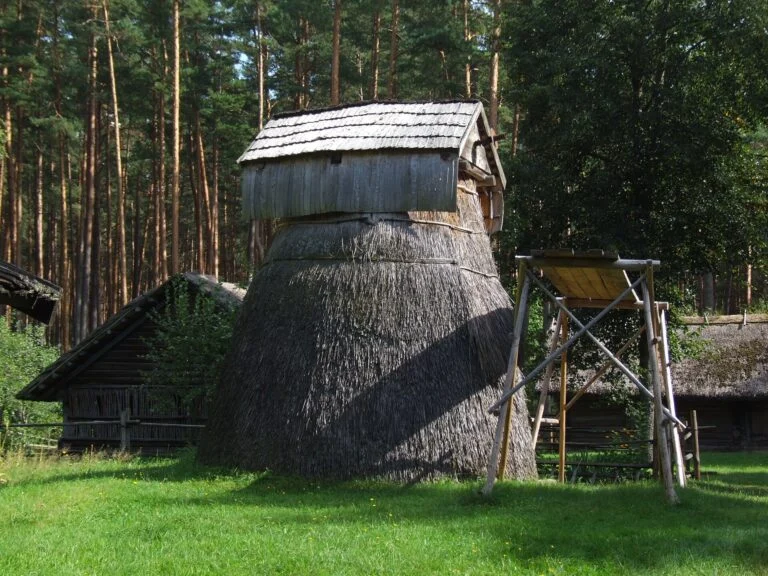
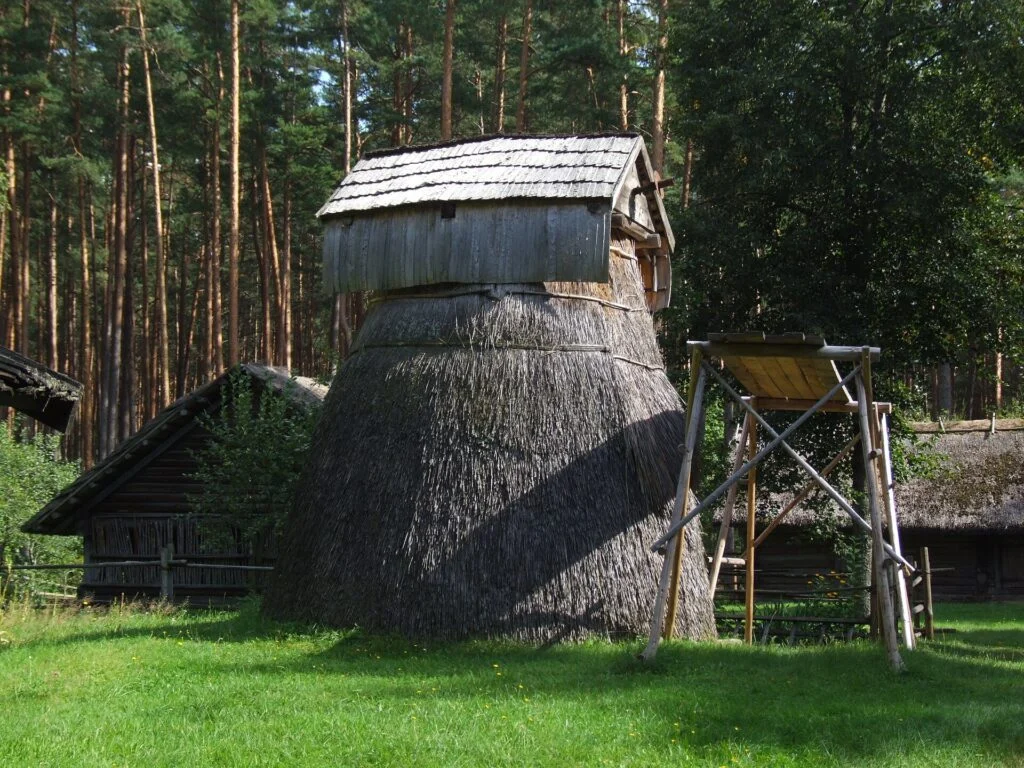
The core of the museum’s collection comprises traditional wooden farm buildings and homesteads transported from various parts of Latvia’s countryside. These include log houses, barns, granaries, windmills, and saunas, each representative of different Latvian regions such as Vidzeme, Latgale, Courland, and Zemgale. Many structures date back to the 18th and 19th centuries and have been painstakingly reassembled and restored on the museum grounds.
Each building is more than just architecture; interiors show period furniture, household items, kitchen implements, and textiles that together provide context about the lives of Latvian peasants, farmers, and craftspeople. The museum features both everyday domestic settings and specialized workshops, illustrating traditional professions such as blacksmithing, weaving, and pottery.
Seasonal exhibits and events, when offered, often include folk music, dances, and craft demonstrations, linking the material culture in the collection to Latvia’s intangible heritage. Visitors can learn about the agricultural calendar, traditional festivals like Jāņi (the midsummer celebration), and regional variations in customs and folk costumes.
Beyond buildings and furnishings, the museum holds a collection of tools, machinery, and agricultural implements that document pre-industrial rural life. While technology is modest compared to later industrial periods, watching craft demonstrations and agricultural methods on display highlights the ingenuity and resourcefulness of rural communities.
Building and Setting
The museum is set in a semi-natural landscape on Ķīšezers Lake’s western shore, approximately 15 to 20 minutes outside central Riga by car. This location provides a quiet and spacious environment relatively free from urban distractions. The grounds encompass several hectares of forest, meadow, and water edge, helping recreate a rural atmosphere matching the historical periods represented.
Buildings are clustered in groups that correspond to the cultural characteristics of the various Latvian regions, facilitating a comparative understanding of architectural styles and farm layouts. Pathways connect these clusters, allowing visitors to stroll through distinct cultural zones. The lakeside setting also enhances the experience by offering pleasant views and a sense of the natural environment that shaped traditional Latvian farm life.
The museum layout is fairly straightforward but covers a significant physical area, so visitors should be prepared for walking and variable weather conditions depending on the season of their visit. In winter, some outdoor exhibits and access routes may be limited.
Practical Information
Visitors considering a trip to the Latvian Ethnographic Open-Air Museum are advised to consult the official website or contact the museum directly for the latest information regarding opening hours, admission policies, guided tours, and any special events or temporary exhibitions. Seasonal changes or maintenance may affect access to some outdoor areas or buildings.
There is no specific information here about ticket prices or discounts, so interested individuals should verify these details in advance. Similarly, arrangements for tours, languages offered, or availability of audio guides are not explicitly documented and should be confirmed prior to visiting.
The open-air nature of the museum means clothing and footwear suitable for outdoor walking are recommended. While the museum is designed to be accessible, certain paths or buildings may be less accommodating to visitors with mobility challenges, so checking accessibility information beforehand is advisable.
On-site facilities such as cafes, restrooms, or souvenir shops are not detailed here; visitors should plan accordingly and verify what services are available during their visit.
Why Visit
The Latvian Ethnographic Open-Air Museum serves as a distinct institution focusing on rural Latvian culture, an aspect sometimes overlooked in traditional history or art museums. For those interested in folk traditions, vernacular architecture, or the lived history of Latvia’s countryside, it offers a tangible connection to the past through buildings and crafts that can still be experienced in something close to their original context.
Its strength lies in presenting a comprehensive regional panorama rather than isolated objects, allowing visitors to appreciate variety within Latvian cultural landscapes. The emphasis on preserved or reconstructed homesteads and small rural communities helps convey the scale and detail of traditional life, which can be difficult to grasp in urban museum settings.
On the other hand, visitors should not expect a high-tech or heavily interpretive experience typical of some newer museums. The focus is on preservation and straightforward presentation rather than multimedia installations or extensive contextual narratives. Some may find the outdoor focus challenging in poor weather or less accessible if they have limited mobility.
In summary, the museum appeals to those with curiosity about rural heritage, ethnographic method, and Latvian history beyond iconic urban landmarks and art collections. It is likely to be most rewarding for visitors with patience and interest in exploring by foot, willing to engage with physical environments and authentic historic structures. For families, historians, architects, and craft enthusiasts, it offers a meaningful way to encounter Latvia’s past.
Before planning a visit, potential guests should always check the museum’s official channels to confirm practical details, event schedules, and the extent of access at the time of their visit. This will help ensure the best possible experience at this substantial and carefully curated open-air museum located just outside Riga.