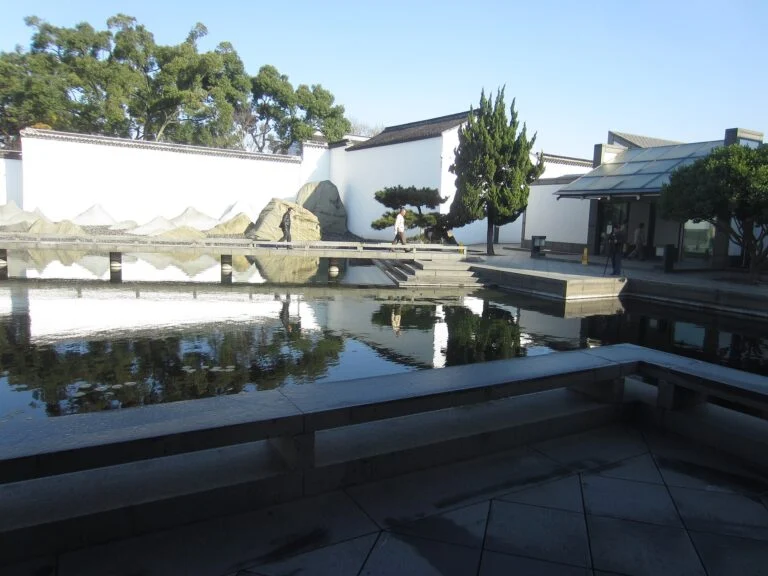
Tianjin Museum
Archaeology Museums · Tianjin, China. The Tianjin Museum is a local history and cultural museum located in Tianjin, one of China’s major port cities in the north. It presents a broad spectrum of artifacts that illuminate the region’s historical…
Best forMuseum lovers, culture travelers, first-time visitors
Setting / nearbyTianjin, China
Overview
The Tianjin Museum is a local history and cultural museum located in Tianjin, one of China’s major port cities in the north. It presents a broad spectrum of artifacts that illuminate the region’s historical development, cultural traditions, and artistic achievements. The museum places particular emphasis on Tianjin’s role in China's history as a commercial hub and a crossroad of cultural exchange. Unlike more specialized institutions, Tianjin Museum offers a wide-ranging look at the city and its surrounding area, making it relevant for visitors interested in urban history, regional craft, archaeology, and Chinese art. Its approach reflects a mix of archaeological finds, historical relics, and artistic pieces, aiming to represent the multifaceted cultural identity of Tianjin.
Collection Highlights
The collections focus mainly on historical artifacts from Tianjin and the wider Hebei province, spanning thousands of years of human activity. Visitors should expect to encounter archaeological discoveries from various sites that trace the region’s prehistoric to imperial periods. These might include ceramics, bronzes, jade carvings, and stone tools, which offer insight into the lifestyle and technological developments of early communities in the area.
In addition to ancient material culture, the museum also holds significant sections dedicated to traditional Chinese folk art and crafts, such as calligraphy, painting, embroidery, and statuary. Such artworks showcase regional techniques, thematic content, and the local interpretation of classic Chinese aesthetics. The inclusion of more recent historical materials helps chart Tianjin’s evolution during the Qing dynasty, Republican era, and the 20th century. Items relating to the city’s period of foreign concession and international trade highlight Tianjin’s unique geopolitical history and its role as a point of cultural convergence.
The museum may also display thematic exhibitions focusing on specific aspects of Tianjin’s heritage or on notable figures connected to the city. However, since the exhibition program can vary, it is advisable to consult current offerings before planning a visit.
Building and Setting
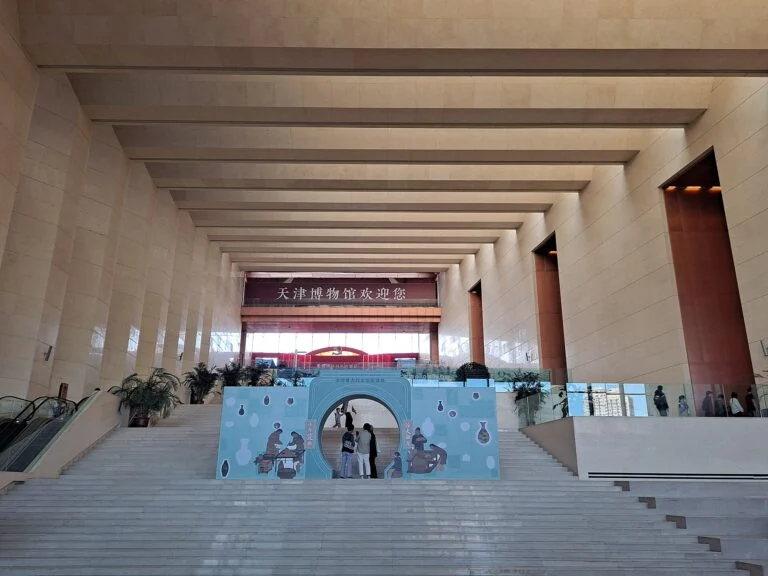
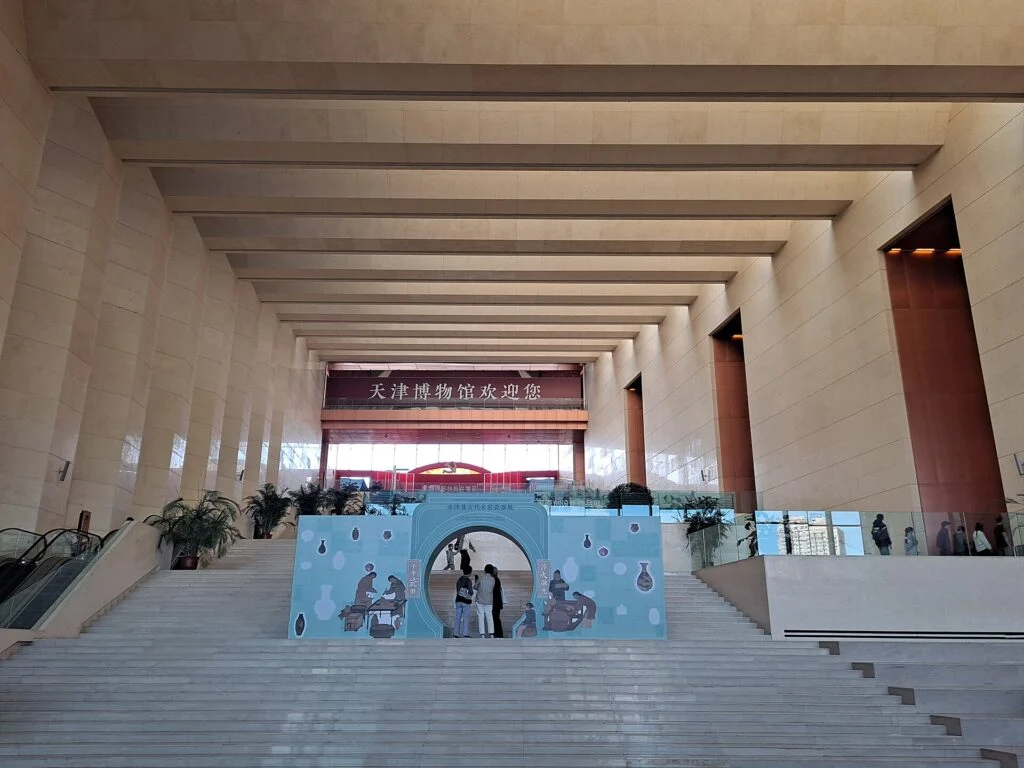
The Tianjin Museum occupies a sizeable modern building designed to accommodate its large and diverse collection. The architecture adopts a contemporary style with a hint of traditional motifs, reflecting an attempt to blend modern functionality with cultural symbolism. The building is arranged to facilitate chronological and thematic pathways through the exhibition spaces, enhancing visitor understanding of the historical narrative.
Situated within Tianjin’s urban environment, the museum is accessible from the city center and forms part of an area where cultural institutions and public spaces are grouped. This location allows visitors to combine a visit here with other nearby attractions, although the immediate setting is more urban than scenic. The museum interior is equipped to handle significant visitor numbers and offers a logical flow, although visitors who prefer a more intimate, leisurely experience might find some galleries busy during peak periods.
Practical Information
Details on opening hours, admission fees, and extra services should be verified via the museum’s official communications before visiting, as such information can change. Prospective visitors should check the museum website for the latest updates on entrance policies, particularly regarding timed tickets or any temporary closures.
The museum’s layout and presentation typically cater to a broad audience, including local visitors, domestic tourists, and international guests. However, non-Chinese speakers might find some of the textual information in exhibitions limited mainly to Chinese language, so supplementary resources or a guided tour could enhance comprehension.
Large group visits and those with specific accessibility needs are encouraged to inquire ahead to ensure the best experience, given the building’s size and the possibly extensive walking involved.
Why Visit
For those interested in China's urban and cultural history, Tianjin Museum offers a comprehensive overview rooted in local context. Rather than focusing narrowly on art or archaeology alone, the museum provides a broader historical canvas that reflects the complex social and cultural layers influencing Tianjin. This makes it suitable for visitors curious about the intersection of history, art, and urban development.
The museum is particularly valuable for those seeking to understand the role of Tianjin as a gateway city where diverse influences met and mingled over centuries. Its archaeological collections ground the story in ancient history, while the ethnographic and artistic displays highlight the living cultural traditions that continue to evolve. Visitors can observe tangible links between the past and present, gaining insight into regional identity in a rapidly changing part of China.
One should be aware that the museum focuses on breadth rather than in-depth treatment of any single subject. Those with specialized interests in specific types of Chinese art or archaeology might find the exhibits more introductory in nature. However, this scope makes the museum accessible and informative to a mixed audience.
In summary, Tianjin Museum is a solid choice for anyone looking to deepen their understanding of this northern Chinese city beyond its contemporary image. It supports appreciation of local history and culture, set within a purpose-built institution that reflects current museum practices in China today.
For the latest practical details and exhibition updates, consult the museum’s official website before planning your visit.