Swiss Museum of Transport
Transport Museums · Lucerne, Switzerland. The Swiss Museum of Transport in Lucerne, Switzerland, offers an engaging and comprehensive exploration of the country’s rich history and innovation in transportation and communication. As one of Europe’s most diverse transport museums,…
Best forMasterpieces, architecture, cultural history
Setting / nearbyThe outskirts of Lucerne, within a setting that balances urban accessibility with a spacio
Overview
The Swiss Museum of Transport in Lucerne, Switzerland, offers an engaging and comprehensive exploration of the country’s rich history and innovation in transportation and communication. As one of Europe’s most diverse transport museums, it showcases a vast array of vehicles, technologies, and interactive exhibitions that appeal to visitors of all ages and interests. The museum’s scope extends beyond traditional modes of transport to include aviation, railways, automobiles, maritime vessels, and even space travel, making it a unique and multifaceted destination. It also highlights the important relationship between transportation, communication, and societal development within Switzerland and beyond.
Collection Highlights
The museum’s extensive collection is organized to provide visitors a chronological and thematic journey through the evolution of transport technologies. Among the standout displays are a variety of historic railway locomotives and carriages, reflecting the decisive role that railways have played in Switzerland’s geographic and economic connectivity. Models and full-size exhibits detail the engineering feats involved in alpine rail travel, which is an iconic aspect of Swiss heritage.
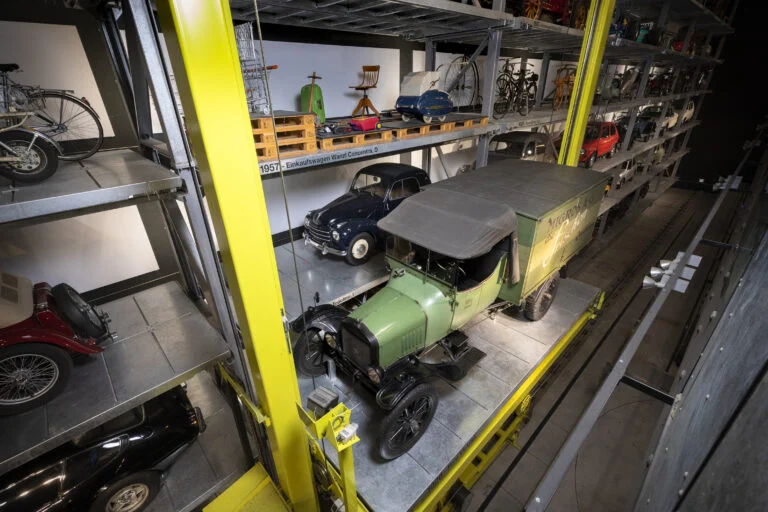
In addition to the rail section, the museum features a remarkable assortment of vintage automobiles and motorcycles. These exhibits not only showcase the design and craftsmanship of different eras but also delve into the cultural impact of motorized transport on Swiss life. The auto displays include early prototypes and racing vehicles that capture the excitement and progression of speed and mobility.
Aviation enthusiasts will find a dedicated area for aircraft and aerospace technology. This includes historic planes as well as exhibits related to Switzerland’s role in aeronautics and space exploration. The museum often combines these displays with multimedia presentations that demonstrate the principles of flight and the future of air travel.
Maritime transport is represented through models and real vessels, emphasizing Switzerland’s connection to lakes and rivers despite being a landlocked country. Exhibits illustrate the evolution of ships used for commercial, recreational, and rescue purposes.
A particularly unique feature of the museum is its focus on communication technologies associated with mobility. This includes displays on telegraphy, telephony, radio, and television, reflecting the intertwining advancements in how people connect alongside how they move. Interactive exhibits allow visitors to experience aspects of these communication methods, enhancing the educational experience.
Throughout the museum, interactive elements such as simulators and hands-on exhibits provide an immersive way to understand the mechanics and challenges of transportation. These features make the museum accessible and enjoyable for families, school groups, and anyone curious about the science behind movement.
Building and Setting
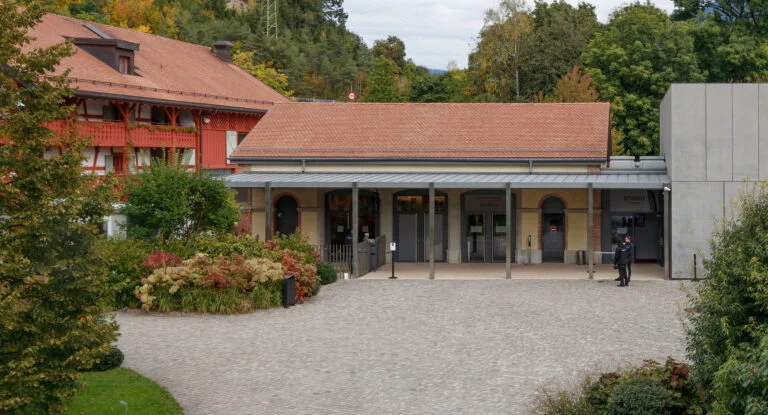
The Swiss Museum of Transport is situated on the outskirts of Lucerne, within a setting that balances urban accessibility with a spacious environment ideal for large exhibits. The architectural design of the museum combines functional spaces suited for both expansive vehicle displays and smaller, detailed exhibits. Large exhibition halls with ample natural light accommodate the sizable and varied collection, while dedicated theater spaces enhance multimedia presentations.
The museum grounds often include outdoor areas where visitors can view full-size trains, planes, and historic vehicles in a more dynamic context. The location also benefits from its proximity to Lucerne’s picturesque natural surroundings, including Lake Lucerne and nearby mountains, providing visitors an opportunity to combine cultural exploration with scenic enjoyment.
Practical Information
Visitors planning a trip to the Swiss Museum of Transport should note that opening hours and ticket prices may vary seasonally or due to special events. It is recommended to confirm the current schedule and admission details through the museum’s official website before visiting. This ensures the most up-to-date information on opening times, guided tours, and any temporary exhibitions or closures.
The museum is well equipped for visitors with accessibility needs, offering amenities to facilitate a comfortable and enriching experience for everyone. Services such as parking, cafés, and gift shops add convenience to the visit, allowing guests to spend a full day exploring the extensive exhibits.
Groups and families will find tailored options, including educational programs and workshops designed to engage young visitors and encourage learning about science, technology, and history in an interactive manner.
Why Visit
The Swiss Museum of Transport stands out as a compelling destination for anyone interested in the remarkable story of how humans have connected and moved across landscapes and through time. Its comprehensive approach makes it more than just a collection of vehicles—it is a celebration of human ingenuity, the spirit of exploration, and the cultural impact of transportation.
Whether you are fascinated by vintage cars, historic trains, or the cutting-edge of aviation and space travel, the museum provides a rich narrative supported by tangible artifacts and engaging experiences. The inclusion of communication technology exhibitions adds an extra dimension, broadening the scope from physical transport to the more intangible connections that tie societies together.
For those visiting Lucerne or Switzerland more broadly, the museum offers an excellent complement to the country’s scenic beauty and outdoor attractions. It presents a deeper understanding of how Swiss innovation and geographical challenges have shaped the ways people live, work, and interact.
Overall, the Swiss Museum of Transport is an informative, entertaining, and thoughtfully curated institution that invites visitors to appreciate the past, present, and future of transportation and communication. Its warm and inclusive atmosphere, combined with its breadth of exhibits, ensures that it remains a prized destination for both local residents and international travelers.