FIFA Museum
Football Museums · Zurich, Switzerland. The FIFA Museum in Zurich focuses on the history and heritage of international football under the governance of FIFA, the global organization responsible for the sport’s main tournaments. It brings together elements from the…

Best forFootball fans, cultural travelers, families, and sports-history visitors
Setting / nearbyZurich, Switzerland
Overview
The FIFA Museum in Zurich focuses on the history and heritage of international football under the governance of FIFA, the global organization responsible for the sport’s main tournaments. It brings together elements from the world’s most popular sport, presenting them within the context of FIFA’s role in shaping international competitions, especially the FIFA World Cup. This specialized museum explores football apart from local club rivalries or national leagues, centering on how the sport developed globally and the cultural and sporting narratives tied to FIFA events. Its perspective is therefore broader than a traditional club or national football museum. The collection addresses both the competitive and organizational side of football over the years, including how the sport’s identity and rituals have evolved alongside FIFA’s history.
Collection Highlights
The museum houses a variety of trophies from FIFA competitions, including replicas and originals related to the FIFA World Cup for men and women. These trophies represent the tangible rewards of some of football’s highest-profile moments and help trace the sport’s evolution through its most prestigious events. In addition to trophies, there is a significant assembly of historical shirts and kits worn by players across different decades, capturing stylistic changes and technological innovations in football apparel.
Alongside these, the collection includes memorabilia such as match balls, boots, and sporting equipment that track changes in football gear. The museum also preserves a wide array of archival material, including photographs, videos, and documents, which help contextualize key games, tournaments, and administrative decisions by FIFA. Exhibits often place players and managers in historical frames that reflect their impact on the game’s global narrative rather than focusing exclusively on their national teams or club achievements.
Supporting elements of supporter culture receive attention as well, with displays relating to fan traditions and football’s role as a social phenomenon across continents. The museum tries to cover different eras and continents, although the emphasis is frequently on international tournaments and FIFA’s direct influence rather than purely local football culture.
Building and Setting
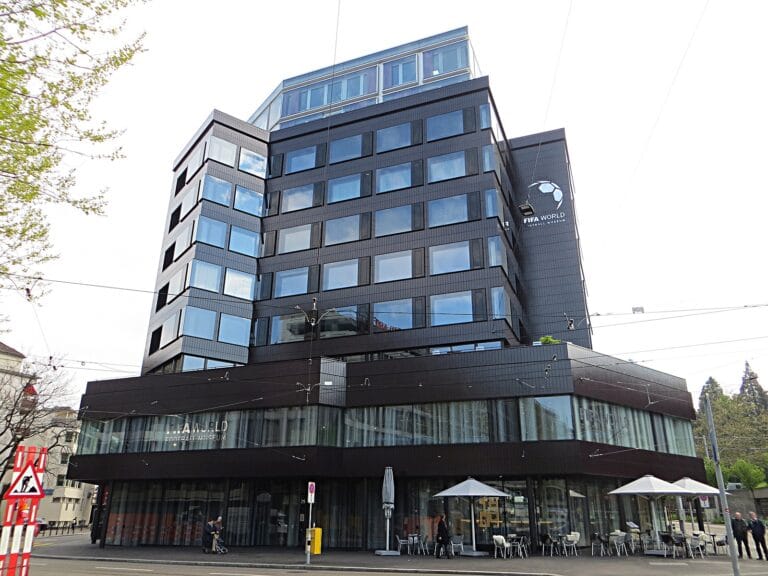
Located in Zurich, the museum is part of a cultural center designed specifically to house the FIFA brand and archive. The architecture includes modern exhibition spaces suited for multimedia displays, interactive installations, and the preservation needs of delicate historic objects. The building complements the museum’s purpose with clean exhibition galleries that allow visitors to move between eras and themes related to FIFA’s history and the sport itself.
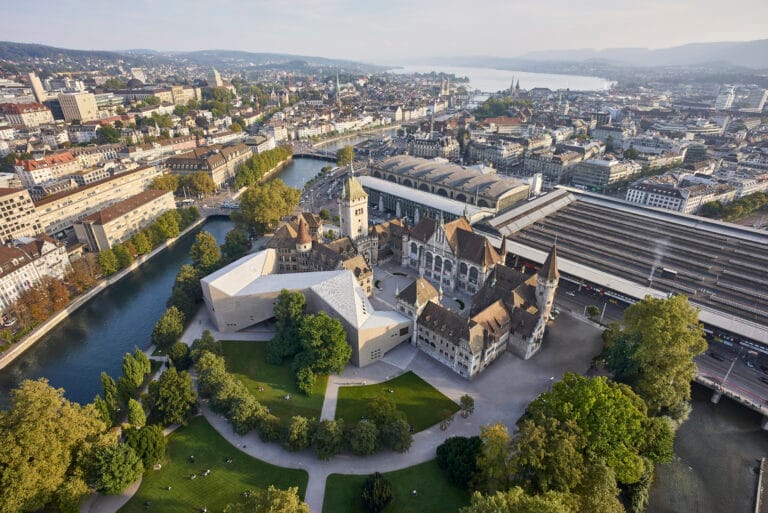
Its position in Zurich, a city known for banking and international organizations, links the FIFA Museum to the administrative center of world football, since FIFA’s headquarters are also based there. Unlike being part of a stadium or club's home ground, the location emphasizes FIFA as a global institution separate from the everyday sites of football matches.
Practical Information
Potential visitors should check https://www.fifamuseum.com/en/zurich/plan-your-visit for the latest details on opening hours, ticket options, and any necessary booking requirements. The website will also provide information about accessibility and whether guided tours or audio guides are available during a visit. Since practical details may vary seasonally or according to specific events, confirming these details ahead of time is advisable.
Why Visit
The FIFA Museum offers a focused window into the sport’s story from the perspective of its international governance and the flagship tournaments organized by FIFA. It is particularly relevant for those interested in football on a global scale, offering insights into the development of the World Cup and the shaping of football’s rules, celebrations, and worldwide appeal.
The museum’s strength lies in its expansive archive and its capacity to bring together objects and stories that narrate football’s transformations over more than a century. For visitors fascinated by the administrative aspects of football or curious about how a global sport consolidates identity through competitions and shared experiences, this museum provides that framework.
On the other hand, if interest centers mostly on club football, local derbies, or national league histories, this museum’s focus might seem too centered on FIFA as an institution and international tournaments. It does not delve deeply into regional football cultures disconnected from the international stage.
The space also prefers documented history and preserved artifacts over emotional or fan-driven narratives, so expectations should be aligned with encountering a structured recounting of football’s official story rather than a fan museum or stadium experience. The FIFA Museum complements other football museums that focus on clubs or countries by filling this specialized niche.
Overall, the museum provides a thorough, if occasionally institutionally framed, examination of football’s premier international competitions and FIFA’s role in shaping the modern game. It suits those who want to understand football beyond the pitch details and explore how the sport grew into a truly global pastime.