Städel Museum
The Städel Museum in Frankfurt, Germany, is one of the most important art museums in Europe and one of the strongest cultural institutions in.
Best forMasterpieces, architecture, cultural history
Setting / nearbyFrankfurt’s Museumsufer, it belongs to one of the city’s most important cultural distr
Overview
The Städel Museum in Frankfurt is one of Germany’s great art museums and one of the most important cultural institutions on the Museumsufer. Founded in 1815, it has a long public history and a collection that reaches from the early Renaissance to the present. That combination of age, scale, and range gives the museum a special authority. It is not simply a local city museum with a few strong highlights, but a major European collection that allows visitors to move through centuries of painting, sculpture, drawing, photography, and contemporary art in a coherent and rewarding way.
What makes the Städel especially compelling is the balance it achieves between historical depth and accessibility. Some major art museums can feel overwhelming because of their size or uneven because of the way their collections are arranged. The Städel works so well because it combines breadth with clarity. Visitors can follow the development of European art across long periods without feeling that the museum loses focus. It is equally attractive to experienced museumgoers and to travelers who simply want one major art museum in Frankfurt that offers real substance.
The museum is also important because it reflects Frankfurt’s identity as a city of commerce, culture, and civic institutions. Unlike princely or royal collections that later became public, the Städel is tied to a civic foundation and to the idea of art as a public good. That history still shapes the atmosphere of the museum. It feels serious without being distant, and distinguished without becoming ceremonial. This gives the Städel a distinctive place within Germany’s museum landscape.
For visitors, that means the museum offers more than a sequence of famous names. It provides a strong sense of continuity across art history and allows individual works to appear within larger movements and traditions. A visit here is not only about seeing masterpieces. It is also about understanding how European painting and modern art developed through changes in style, patronage, subject matter, and artistic ambition.
Collection Highlights
One of the Städel’s greatest strengths is the breadth of its permanent collection. The museum includes major works from the early Renaissance, Baroque, nineteenth century, classical modernism, and contemporary art. That range matters because it gives visitors the chance to experience the long arc of European art in a single institution. Rather than specializing in just one period, the Städel succeeds by presenting a broad sequence of artistic development in a way that remains readable and engaging.
The Old Master section is one of the clearest reasons to visit. Museums of this quality are defined by how strong they are before the nineteenth century, and the Städel performs very well here. Renaissance and Baroque works give the museum historical weight and establish the standard for the rest of the collection. These galleries are especially rewarding because they do not feel like an obligatory foundation beneath more modern holdings. They are strong in their own right and make the museum feel truly comprehensive.
The nineteenth-century collection adds another important dimension. This period often provides some of the most immediately attractive works in European museums because it bridges classical tradition and modern transformation. At the Städel, this section helps connect older European painting with the artistic experimentation that follows in the twentieth century. It gives the museum a strong middle ground rather than a sharp break between old and modern art.
The modern collection is another major highlight. Museums that carry their story effectively into the twentieth century often become more memorable because visitors can see how traditions changed under the pressure of modern life, politics, abstraction, and new visual ideas. The Städel’s modern and contemporary areas broaden the experience and ensure that the museum does not feel like a purely historical institution. Instead, it remains alive to change, experiment, and new forms of seeing.
Another strength is the museum’s holdings in works on paper and photography. These areas are important because they expand the visitor’s understanding of art beyond large oil paintings alone. Drawings and photographs often reveal a different kind of artistic thinking: more immediate, more exploratory, or more closely tied to changing technologies and ways of observing the world. In a museum like the Städel, these media help make the collection feel richer and more complete.
Building and Setting
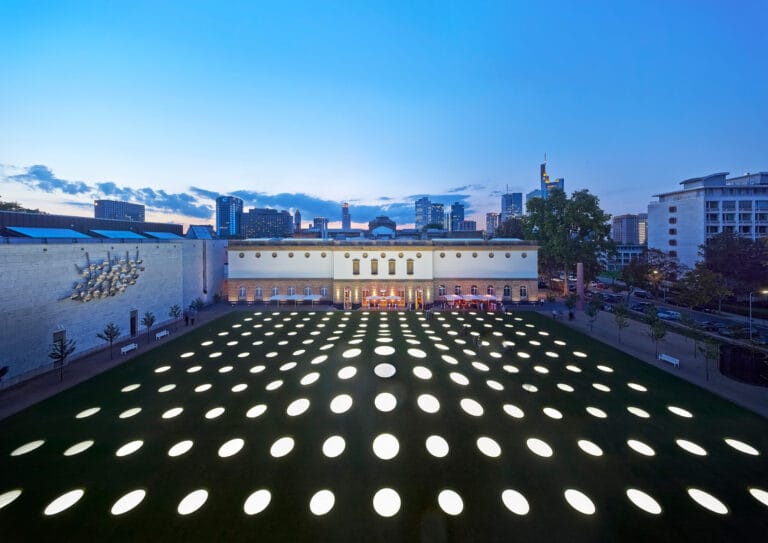
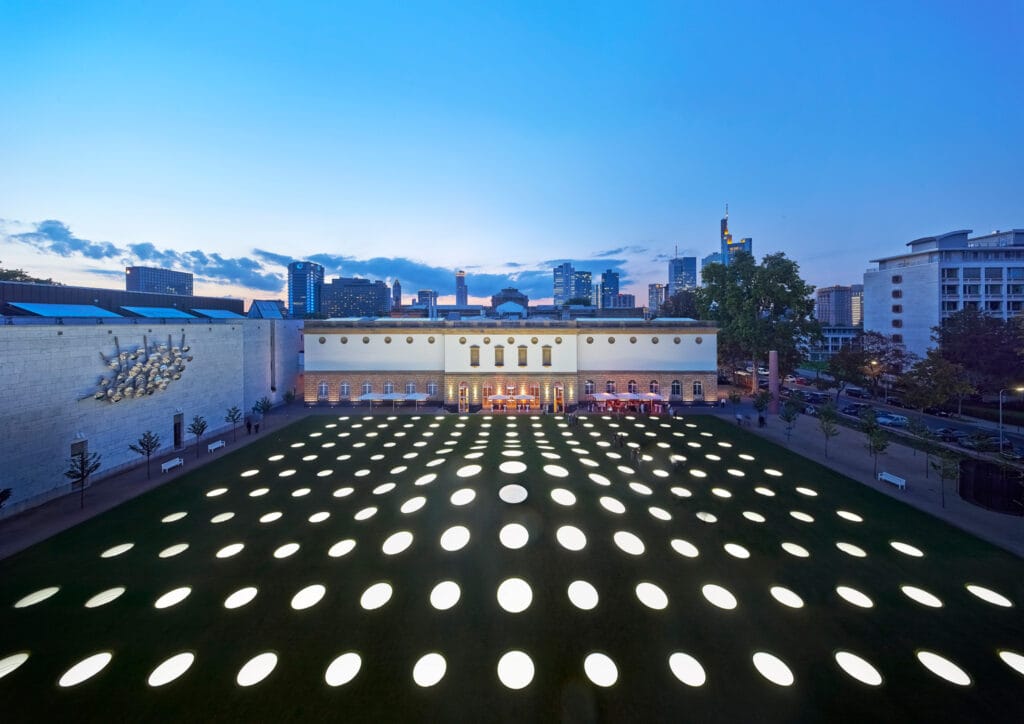
The setting of the Städel Museum plays an important role in the visit. Located on Frankfurt’s Museumsufer, it belongs to one of the city’s most important cultural districts. This gives the museum both visibility and context. It feels like part of a larger public world of art, design, and civic culture, rather than a museum isolated from its surroundings. That location makes it easy to include in a broader day in Frankfurt, but it also underlines the museum’s status as one of the city’s essential institutions.
Architecturally, the museum benefits from a combination of historical presence and more contemporary expansion. This matters because a great art museum should allow visitors to feel both continuity and change. Older sections help preserve the dignity and seriousness associated with a long-established institution, while newer gallery spaces allow the museum to present modern and contemporary work in a way that feels open and current. That balance supports the collection very well.
The atmosphere inside is also one of the museum’s strengths. A museum with holdings across so many centuries needs to help visitors move between very different works without losing a sense of flow. The Städel generally succeeds because the galleries feel ordered, focused, and calm. That encourages slow looking, which is especially important in a museum where the quality of individual works is a major part of the appeal.
Its Frankfurt setting adds another layer of meaning. In a city often associated internationally with finance, business, and trade fairs, the Städel helps show another side of Frankfurt: one rooted in scholarship, patronage, culture, and public art. That broader civic significance gives the museum extra value for visitors trying to understand the city beyond its commercial image.
Practical Information
The Städel Museum is best visited with enough time to move through the collection at a steady pace. Because it covers such a long historical range, it rewards visitors who allow themselves time to slow down and notice how the character of art changes from room to room. A rushed visit can still be enjoyable, but a fuller visit is much better for understanding the museum’s real strength, which lies in continuity across periods as much as in isolated highlights.
It works especially well for travelers who want one major museum in Frankfurt that offers depth rather than novelty alone. It is also a strong choice for repeat visitors, since large museums with rotating exhibitions and broad permanent holdings can reveal different strengths on different visits. Some visitors may focus on Old Masters, others on nineteenth-century painting, and others on modern and contemporary art.
Because practical arrangements and temporary exhibitions can change, it is sensible to check official information before visiting. Exhibition schedules, tickets, and evening openings can affect the rhythm of a visit, especially if you are planning around a particular show.
Why Visit
The Städel Museum is worth visiting because it offers one of the most complete and satisfying art museum experiences in Germany. It combines historical depth, collection quality, strong curation, and a setting that supports serious looking. Few museums manage to cover such a wide range of European art while still feeling coherent and approachable.
It is also valuable because it gives Frankfurt a cultural center of real international quality. For some visitors, the main draw will be the Old Masters. For others, it will be the movement into modern and contemporary art. The museum’s real strength is that these areas work together rather than competing with one another.
If you want a Frankfurt museum that offers substance, beauty, and a genuinely broad view of European art, the Städel is one of the clearest choices. It is a museum that rewards both first visits and return visits, and one that stays in the memory because of the quality of the experience as a whole.