Saint Louis Art Museum
Art Museums · St. Louis, United States. The Saint Louis Art Museum is a prominent American art museum located in Forest Park in St. Louis, Missouri. Founded during the 19th century and formally established in its current form in the early…
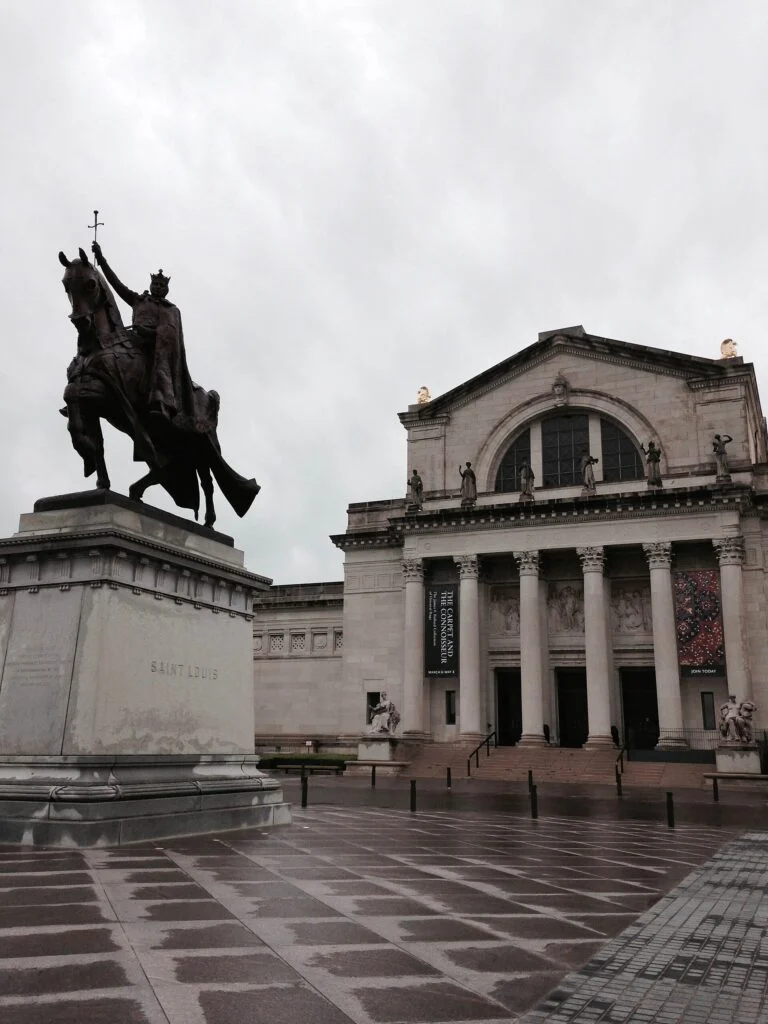
Best forArt lovers, visual culture, architecture
Setting / nearbySt. Louis, United States
Overview
The Saint Louis Art Museum is a prominent American art museum located in Forest Park in St. Louis, Missouri. Founded during the 19th century and formally established in its current form in the early 20th century, it reflects the city’s long-standing engagement with the visual arts. The museum’s mission emphasizes both the display and preservation of art, as well as educating the public on diverse artistic traditions from around the world. It functions as a major cultural institution within its region and attracts a range of visitors interested in fine art, art history, and cultural heritage.
As a large encyclopedic art museum, its collection spans a wide chronological and geographic range, which can make for rich and varied visit experiences. Visitors interested in classical art, modern artwork, or non-Western traditions will find content to explore here. The museum’s profile as part of St. Louis’s cultural landscape pays tribute to the city's historical role in hosting major exhibitions and supports its contemporary efforts to foster public engagement with art.
Collection Highlights
The museum’s collection covers approximately 34,000 objects, organized broadly by geographic region and period. This extensive assemblage allows for presentations that cross continents and eras, making the museum notable for its diversity in holdings.
Ancient art is well represented, with pieces from Egypt, Greece, and Rome. These include funerary objects, sculptures, and reliefs that illustrate the material and ritual culture of ancient civilizations. Such artifacts may provide insight into early human artistic expression and social values rooted in antiquity.
The European collection includes paintings, sculptures, and decorative arts from the Middle Ages through the early 20th century. It features works from the Renaissance and Baroque periods, alongside 19th-century French impressionism and post-impressionism. This range facilitates an examination of Western art history from formal, stylistic, and thematic perspectives.
Importantly, the museum also holds substantial collections from Asia, Africa, and the Americas. Asian art includes Chinese and Japanese ceramics, Buddhist statues, and prints, offering a window into East Asian aesthetics and religious traditions. African masks, textiles, and sculptures demonstrate the diversity of artistic production on the continent, often connected to ritual and community identity.
Modern and contemporary art pieces include paintings, prints, and sculptures that address a variety of themes and stylistic approaches. The collection has examples of American art from the 19th and 20th centuries, featuring artists who engaged with national identity, abstraction, and social issues. While the museum carries a broad scope, particular strength is seen in its holdings of French decorative arts and American regional art.
The collection is also known to hold artifacts and objects connected to the 1904 Louisiana Purchase Exposition in St. Louis, which helped shape the museum’s early development. These objects serve as reminders of historical contexts influencing the museum’s growth.
Building and Setting
The Saint Louis Art Museum is housed in the historic Palace of Fine Arts building, originally constructed for the 1904 World’s Fair, also known as the Louisiana Purchase Exposition. This Beaux-Arts structure features classical architectural elements, including a prominent dome, grand columns, and formal staircases, giving the museum a stately and traditional presence.
Located within the large urban green space of Forest Park, the museum benefits from a setting that integrates art with natural surroundings. Forest Park itself is a key public space in St. Louis, offering extensive walking paths, gardens, and additional cultural institutions nearby, such as a zoo and history museum. The park setting encourages visitors to combine the art museum visit with outdoor activities.
Inside, the museum includes several galleries designed to accommodate different collection areas, as well as spaces for temporary exhibitions, public programs, and educational activities. Renovations and expansions over time have aimed to balance preservation of the historic structure with contemporary needs for flexible exhibition space and visitor amenities.
Practical Information
For prospective visitors, it is advisable to consult the museum’s official website or contact them directly to confirm current details about admission, opening hours, guided tours, accessibility options, and any special exhibitions or events. Policies and availability of services can change, especially under varying public health conditions or administrative updates.
Visitors should be aware that while the museum is sizable, the layout is generally navigable by visitors of different ages and mobility levels, though some areas might require additional assistance or accommodations. Planning ahead with maps or gallery guides—in print or available digitally—can support a more focused visit, given the museum’s broad range and size.
Since the museum potentially attracts a significant number of visitors, peak times might include weekends and certain holidays, so visiting during off-peak hours could offer a quieter experience. Temporary exhibitions may also affect crowd patterns and gallery access.
Why Visit
The Saint Louis Art Museum offers a broad survey of art history within a single institution, which is particularly useful for visitors wanting to see a variety of artistic traditions in one location. Its encyclopedic nature supports interests ranging from ancient artifacts to modern art movements. This breadth allows for both thematic and chronological approaches to exploring art.
Visitors with an interest in architectural history may appreciate the museum’s Beaux-Arts building, which reflects early 20th-century American approaches to monumental public structures. The placement within Forest Park also makes the museum part of a larger cultural and recreational experience in St. Louis.
The museum tends to suit those who are comfortable navigating a large space and who value context around the works they see. It offers opportunities for quiet reflection as well as educational engagement, although visitors seeking highly specialized or cutting-edge contemporary collections might look to other venues for those specific focuses.
Overall, the Saint Louis Art Museum stands as a resource for access to diverse art forms and histories and benefits from its connection to the city’s historical and cultural development. Those planning a visit will likely find it a place for thoughtful art appreciation and learning, provided they take practical considerations into account.