Riverside Museum Glasgow
Glasgow, United Kingdom. The Riverside Museum in Glasgow is a transport museum dedicated to the history and development of transport in Scotland, particularly emphasizing the city’s rich relationship with the river and its industrial past. Situated on…

Best forMuseum lovers, culture travelers, first-time visitors
Setting / nearbyGlasgow, United Kingdom
Overview
The Riverside Museum in Glasgow is a transport museum dedicated to the history and development of transport in Scotland, particularly emphasizing the city’s rich relationship with the river and its industrial past. Situated on the banks of the River Clyde, the museum forms part of Glasgow’s cultural landscape, highlighting the evolution of vehicles and transport technologies over the past two centuries. Its focus extends beyond mere display, aiming to present transport as a living part of everyday life, shaped by social and historical factors as well as technological innovation.
The museum opened in 2011 as part of an effort to replace the previous Glasgow Museum of Transport, updating how the narrative around transport is conveyed to visitors. It reflects not only the city’s industrial heritage but also broader changes in Scottish and British transportation infrastructures. The Riverside Museum, with its thematic and chronological displays, appeals to a wide audience, including families, history enthusiasts, and those interested in engineering and design.
Collection Highlights
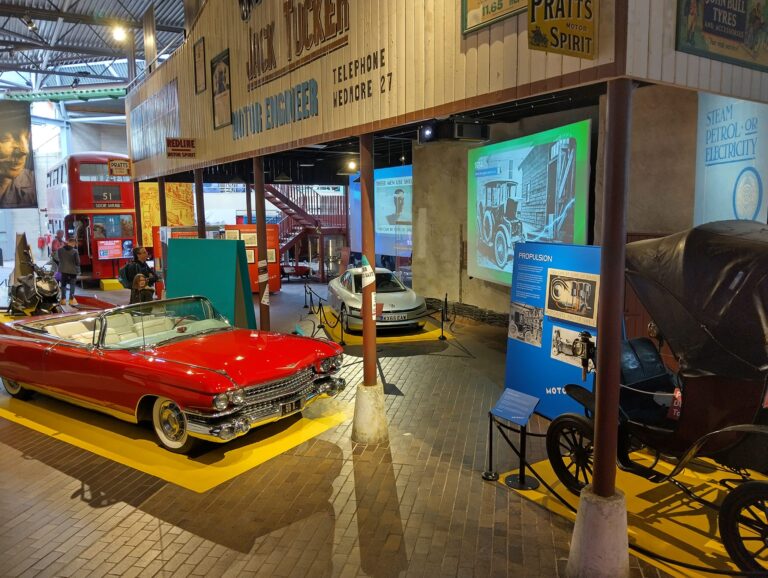
The Riverside Museum’s collection concentrates on historic vehicles and transport-related objects that chart Glasgow’s industrial prowess and the everyday lives of its people. Visitors can expect to see a variety of modes of transport including early bicycles, trams, locomotives, and classic cars. The museum also features a significant number of ship models and items related to the maritime history of the Clyde, which was once one of the world’s most important shipbuilding centers.
Exhibits often provide context by integrating photographs, film footage, and interactive elements that explore the social impact of transport developments. For instance, early 20th-century family cars and buses are displayed alongside period street scenes, illustrating the changing urban environment. One notable aspect is the inclusion of Glasgow’s tramcars, which played a central role in public transport until their decline mid-20th century. The museum also presents cycles closely tied to the city’s innovation history, encompassing both leisure and industrial uses.
There are sections devoted to shipbuilding, featuring models, tools, and materials used in the Clyde shipyards, providing a sense of Glasgow’s global industrial connections. Steam engines and locomotives remind visitors of the key role rail transport played in connecting Scotland’s cities. The displays allow comparisons of different transport methods, highlighting both technological progress and changing social habits.
Because the museum’s collection is extensive, visitors should expect a wide-ranging experience. However, the diversity of exhibits may sometimes feel somewhat scattered rather than deeply focused on a single mode of transport. Those looking for in-depth technical histories or specialized shipbuilding archives might consider this museum a strong introduction rather than a definitive resource.
Building and Setting
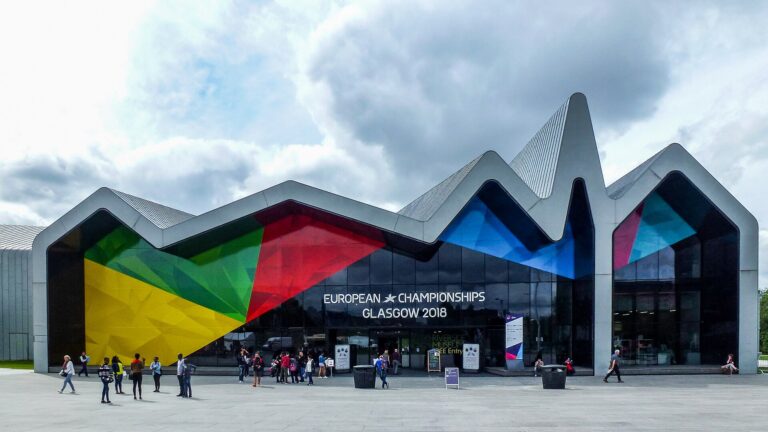
The Riverside Museum is housed in a contemporary building designed by a noted architect, located on Glasgow’s waterfront on the north side of the River Clyde. The building’s striking, angular form is meant to echo waves or ship hulls, establishing an architectural conversation with the river and the industry that shaped the city’s past. Its layout is open and incorporates large exhibition halls suitable for a variety of large and small vehicles.
The museum’s riverside setting allows some exhibits to be displayed in outdoor spaces adjacent to the main building. This location offers views of the river and the city skyline, which helps connect the historical narratives inside with the ongoing urban and economic activity along the Clyde. The placement also situates the museum close to other cultural sites in Glasgow’s waterfront redevelopment area, creating opportunities for visitors to explore multiple attractions in one visit.
The internal circulation benefits from spacious galleries that accommodate sizeable transport displays and encourage unhurried exploration. However, the striking architectural features sometimes make it necessary to navigate long corridors or multiple levels to see sequential exhibits, which might influence the flow depending on visitor preference.
Practical Information
For those interested in visiting the Riverside Museum, it is best to check the official website to confirm current opening hours, admission details, ticketing arrangements, and any available visitor services such as audio guides or guided tours. As with many urban museums on riverside developments, access and parking facilities vary, and public transportation options are recommended for ease of visit.
The museum is suitable for a range of visitors including families and school groups. While staffing details and visitor assistance are regularly updated, confirming accessibility provisions ahead of time is advisable for those with particular needs.
Due to the size and breadth of the exhibits, visitors might want to allocate a good portion of the day to fully appreciate both the indoor displays and outdoor exhibits. The museum also includes areas where visitors can rest or purchase refreshments, but specific cafes or shops should be verified in advance.
Why Visit
The Riverside Museum offers a distinct perspective on the history of transport that is firmly tied to Glasgow’s industrial and social history. Its focus on vehicles as tools of everyday life, work, and leisure encourages visitors to consider transport beyond machines and technologies, encompassing human stories as well. For those interested in how a city like Glasgow contributed to global transport development, the museum functions as a reflective space for understanding local impact and legacy.
While the museum might not delve deeply into technical detail sought by specialists or enthusiasts of a single transport mode, it combines a wide variety of objects in a way that shows their interconnectedness. Its presentation style invites visitors to consider the pace of change in technology and society through accessible and often engaging displays.
The architectural setting and riverside location also add to the experience by placing the museum’s narratives within the geography that enabled Glasgow’s transport history to unfold. For visitors planning time in the city, the Riverside Museum stands as a substantial cultural visit focused on an important aspect of Glasgow’s identity, suitable for both adults and children with an interest in the tangible connections between transport, place, and history.