Newcastle Museum
Museums · Newcastle, Australia. Newcastle Museum in Newcastle, Australia, presents itself as a local history and science museum with a particular emphasis on the city’s industrial heritage and natural environment. It aims to shed light on Newcastle’s transformation…
Best forMuseum lovers, culture travelers, first-time visitors
Setting / nearbyNewcastle, Australia
Overview
Newcastle Museum in Newcastle, Australia, presents itself as a local history and science museum with a particular emphasis on the city’s industrial heritage and natural environment. It aims to shed light on Newcastle’s transformation from a coal mining and steel production centre to a contemporary urban hub. The museum’s narrative is rooted in the social, technological, and cultural developments that have shaped the region, offering visitors a glimpse into both its indigenous and colonial past, as well as its more recent industrial identity. It situates itself as a place for exploration and education, appealing to a broad audience including families, students, and anyone interested in the history and science of this part of New South Wales.
Collection Highlights
The museum’s collection revolves primarily around Newcastle’s industrial and environmental history. A substantial portion of the exhibits relate to coal mining and steelmaking, industries that played a defining role in the city’s growth. Displays include original machinery components and tools associated with these industries, though the emphasis is often on storytelling alongside artefacts. This can help visitors understand the working lives of miners and steelworkers, the technological changes over time, and the social impact these industries had on local communities.
There are also exhibitions dedicated to the natural history of the region, featuring geological specimens, such as coal seams and rock samples, reflecting Newcastle’s position within a rich mining district. Some displays engage with environmental themes, presenting local wildlife, ecosystems, and the challenges and changes introduced by industrial development.
Technology and innovation form another core theme, with sections focusing on how scientific principles and engineering have influenced Newcastle’s urban and industrial landscape. The museum includes interactive elements geared towards younger visitors or those curious about the fusion of science and local history.
The collection occasionally extends into broader cultural and social history, including indigenous histories and artefacts, although these are presented within the context of Newcastle’s wider story rather than as standalone exhibitions. This approach may provide important context but could feel limited to those seeking an in-depth indigenous history focus.
Overall, the collection is grounded in objects relevant to the city and region rather than purely aesthetic or globally notable artefacts. It aims to combine tangible items with narrative elements to give a rounded picture of Newcastle’s past and present.
Building and Setting
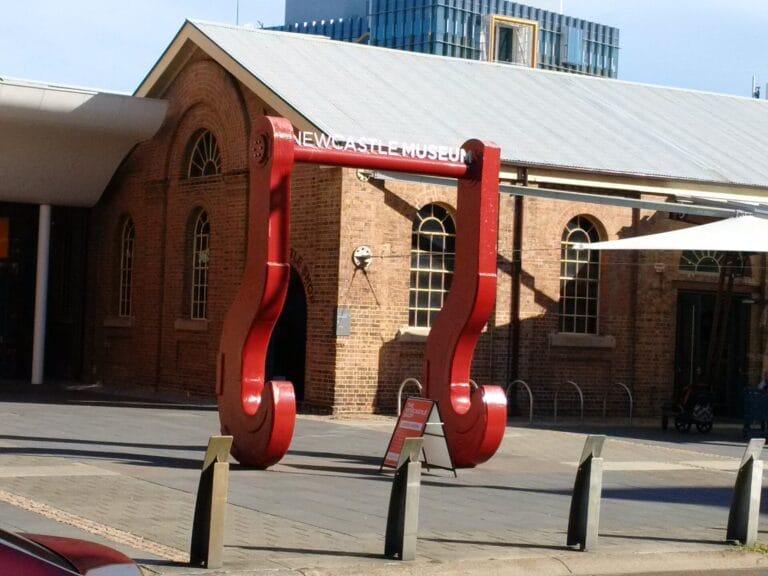
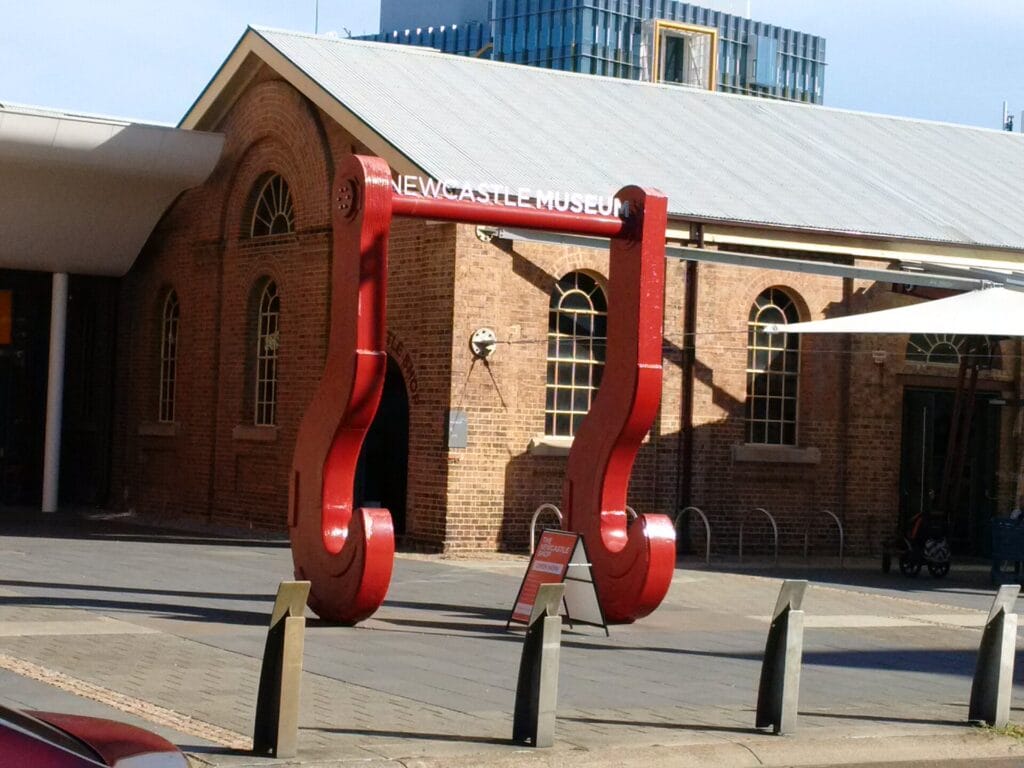
Newcastle Museum occupies a purpose-adapted building within the city centre of Newcastle. The structure itself is part of the story, as it reflects an industrial heritage consistent with the museum’s themes. The immediate surroundings are urban, with the museum positioned conveniently for visitors accessing the city’s cultural district. The setting allows accessible connections to other local points of interest, including the harbour and nearby historic sites. While the museum building is practical and functional, it does not offer extensive architectural spectacle or monumental design. Instead, attention is focused on the interior layout and how exhibits are organized to facilitate visitor engagement.
Inside, the space is arranged to accommodate varied visitor flows, with separate galleries dedicated to distinct themes. Some areas provide ample room for temporary exhibitions or interactive displays, which can change periodically. The museum’s setting and design are suited for family visits and educational groups, allowing for hands-on learning without overwhelming crowds.
Practical Information
Since details such as opening hours, ticket pricing, concessions, and accessibility services may vary and are not comprehensively verified here, prospective visitors should refer to the museum’s official website or contact the institution directly for the most current information. This is especially advisable regarding any special exhibitions, group visits, or guided tours, whose availability can be subject to change.
The museum is located in Newcastle city centre, which is generally well-served by public transport, and central for those already visiting the area. Parking options nearby might be limited due to the urban environment, so alternative arrangements may be necessary depending on visitor circumstances.
The museum’s layout supports visitors of different ages and mobility levels, though specific accessibility features should be confirmed with staff if needed. Visitors planning to spend time engaging with the exhibits should consider that the museum has a largely thematic structure that requires movement between galleries.
It is prudent to check for any updates on health and safety protocols or visitor capacity limits in advance of visiting, as regional guidelines can affect museum operations.
Why Visit
Newcastle Museum offers a focused look at a city whose identity is closely linked to industry and natural resources, making it relevant to those interested in Australian urban, industrial, and environmental histories. It is well suited to visitors who seek context about how a regional centre in Australia evolved through coal mining and steel production, and how these industries intersected with community life and technological change.
The museum’s approach to blending scientific concepts with historical narrative makes it appealing for families and education groups, providing interactive and accessible ways to connect with the material. For those with particular interest in industrial heritage, Newcastle’s story is distinctive because of its longevity and scale in one local place.
On the other hand, visitors looking for an art museum, comprehensive indigenous cultural centre, or extensive archaeological collections may find the scope here narrower. The museum remains dedicated primarily to local history and science, rather than broader or global collections.
In summary, Newcastle Museum provides an informative and straightforward account of Newcastle’s past and present. It unfolds the region’s industrial legacy with clear engagement and offers opportunities to reflect on the city's environmental context and social fabric. For travellers with time to spare or residents wishing to understand their city’s character, it stands as a considered cultural resource that complements the larger historical and urban fabric of Newcastle.