Museum of Byzantine Culture
The Museum of Byzantine Culture in Thessaloniki, Greece, is one of the country’s principal institutions for the study and presentation of.
Best forMasterpieces, architecture, cultural history
Setting / nearbyEurope
Overview
The Museum of Byzantine Culture in Thessaloniki, Greece, is one of the country’s principal institutions for the study and presentation of Byzantine civilization. The museum examines the long historical period that connected the late Roman world to the medieval eastern Mediterranean, and it does so through objects rather than spectacle. Sculpture, icons, mosaics, metalwork, ceramics, coins, architectural fragments, and funerary material are used to explain how Byzantine society functioned in both public and private life.
Rather than treating Byzantium as a distant or abstract empire, the museum places emphasis on daily practice, religious belief, urban life, trade, and artistic production. Thessaloniki is an especially appropriate setting for such a museum. For centuries it was one of the most important cities in the Byzantine world, and the surviving churches and monuments across the city provide a direct link to the themes presented inside the galleries. The museum therefore works both as an independent institution and as an introduction to the wider historical landscape of northern Greece.
The permanent displays are organized with a clear educational purpose. Visitors are introduced to the transformation of the Roman world, the formation of Byzantine society, the role of Christianity, and the visual culture of the empire. The result is a museum that is scholarly in foundation but accessible in presentation, making it useful for general visitors as well as for readers with a more specialized interest in medieval history.
History
The museum was established to provide a dedicated national center for Byzantine culture outside Athens, reflecting Thessaloniki’s historical importance within the Byzantine Empire. Its development responded to the need for a modern institution that could interpret collections from northern Greece within a coherent historical framework. Archaeological discoveries from churches, cemeteries, urban excavations, and regional monuments created a strong foundation for such a museum, and the collections gradually took shape around these materials.
From the beginning, the institution aimed to combine preservation, research, and public education. This approach distinguishes it from older display traditions in which ecclesiastical and archaeological objects were often shown primarily as isolated works of art. Here, the emphasis is on context: where an object was used, who used it, and what it reveals about society. Over time the museum became one of the main reference points for the interpretation of Byzantine material culture in Greece.
Collection Highlights
The collection includes early Christian and Byzantine sculpture, funerary finds, church furnishings, mosaics, wall-painting fragments, seals, manuscripts, and domestic objects. Icons and liturgical material form an important part of the displays, but the museum is equally strong in showing the ordinary materials of life, including pottery, glassware, jewelry, and tools. This balance helps visitors understand Byzantium as a lived civilization rather than solely a religious tradition.
Notable strengths include architectural fragments from churches in Macedonia, grave goods that illuminate social identity and burial customs, and coins that demonstrate the economic networks of the empire. The museum also uses maps, reconstructions, and explanatory texts to show how art, devotion, and administration were connected across the Byzantine world.
Building and Location
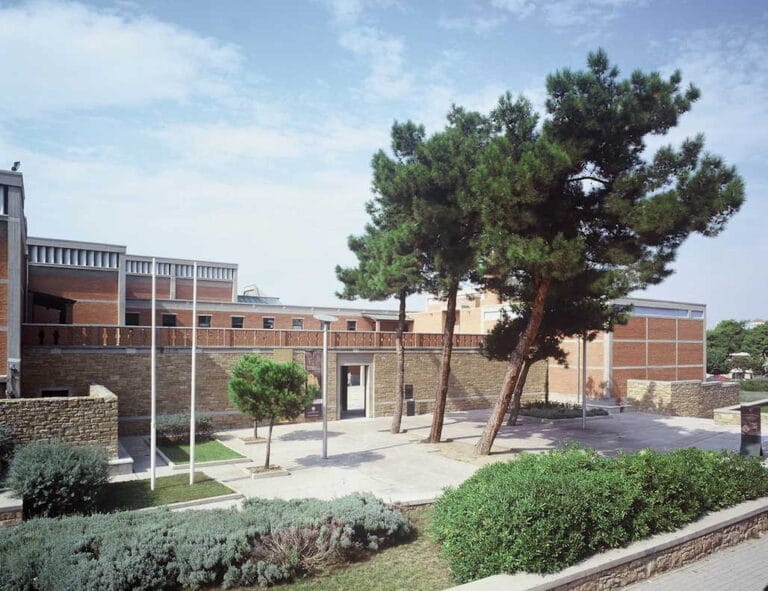
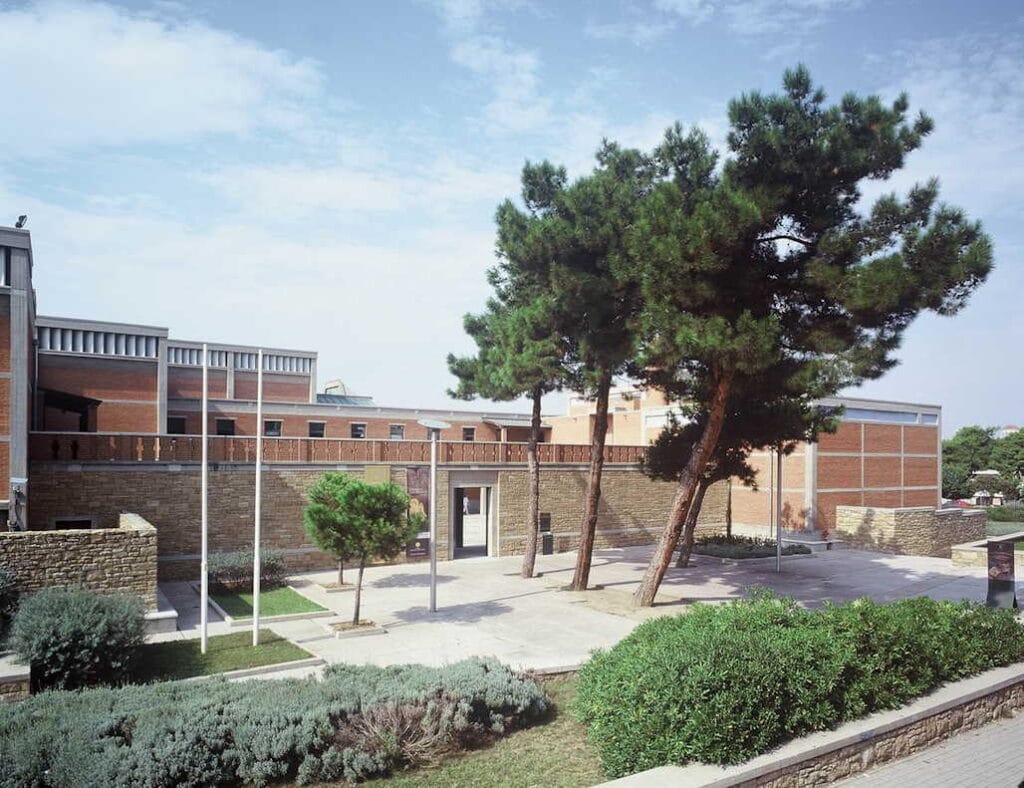
The museum is housed in a modern building in Thessaloniki designed specifically for archaeological display. Its layout supports a calm, sequential visit, with spacious galleries, measured lighting, and enough room for large stone objects as well as small devotional material. The architectural character is restrained and functional, allowing the objects to remain the focus.
Located within the city and accessible from major routes, the museum can be combined easily with Thessaloniki’s Byzantine churches, Roman remains, and waterfront districts. This geographical context adds value to the visit because the objects in the galleries correspond directly to monuments still visible in the urban landscape.
Visitor Experience
The Museum of Byzantine Culture is designed for close reading rather than rapid consumption. Labels and thematic organization make it possible to follow the historical development of Byzantine life without specialist training. At the same time, the quality of the material and the seriousness of the interpretation make it rewarding for visitors who already know the field.
The galleries are generally quiet, and the museum supports a reflective pace. The sequence of rooms allows visitors to move from broad historical questions to more detailed artistic and social themes. This makes the museum especially effective for those who want a structured understanding of Byzantine civilization.
Why Visit
This museum is significant because it explains one of the central civilizations of medieval Europe and the eastern Mediterranean through original material culture presented with clarity and discipline. It is also one of the best places to understand why Thessaloniki mattered historically, and how the city’s surviving monuments connect to the broader Byzantine world. For visitors interested in history, archaeology, religion, and medieval art, it provides a strong and coherent experience.
Practical Information
The Museum of Byzantine Culture is located in Thessaloniki, Greece. Visitors should confirm current opening times, admission policy, and temporary exhibition schedules before arrival, as operating details can change. The museum can typically be reached by local transport, taxi, or on foot from central districts, and it is often combined with nearby historical sites in the city.