Museo Nacional de Escultura
Art Museums · Valladolid, Spain. The Museo Nacional de Escultura in Valladolid, Spain, is a national sculpture museum focused on Spanish sculpture from the late Middle Ages through the Baroque period and beyond. The museum presents a comprehensive view…
Best forMuseum lovers, culture travelers, first-time visitors
Setting / nearbyValladolid, Spain
Overview
The Museo Nacional de Escultura in Valladolid, Spain, is a national sculpture museum focused on Spanish sculpture from the late Middle Ages through the Baroque period and beyond. The museum presents a comprehensive view of sculptural art, mainly from the 13th to the 18th centuries, reflecting important developments in religious, cultural, and artistic traditions. It occupies a significant place in Spain’s cultural heritage institutions due to its specialized focus and diverse holdings.
The museum’s collection illustrates the evolution of sculptural techniques, iconography, and materials in Spanish art history. It developed primarily around religious sculptures that once adorned churches and convents, making it an important repository for ecclesiastical art. This focus gives visitors insight into the artistic expressions connected to Catholicism and local devotion, particularly in Castile and León. Through its sculptures, the museum invites consideration of how religious narratives were visualized and how sculptors balanced realism, symbolism, and craftsmanship.
Collection Highlights
The museum’s collection includes wood sculptures, polychrome statues, alabaster works, and stone carvings, featuring artists from different periods whose works capture stylistic and regional characteristics. Among the notable figures represented is Juan de Juni, often regarded as one of the leading Renaissance sculptors in Spain. His dramatic and expressive style marks a critical shift toward emotional intensity and movement in sculpture.
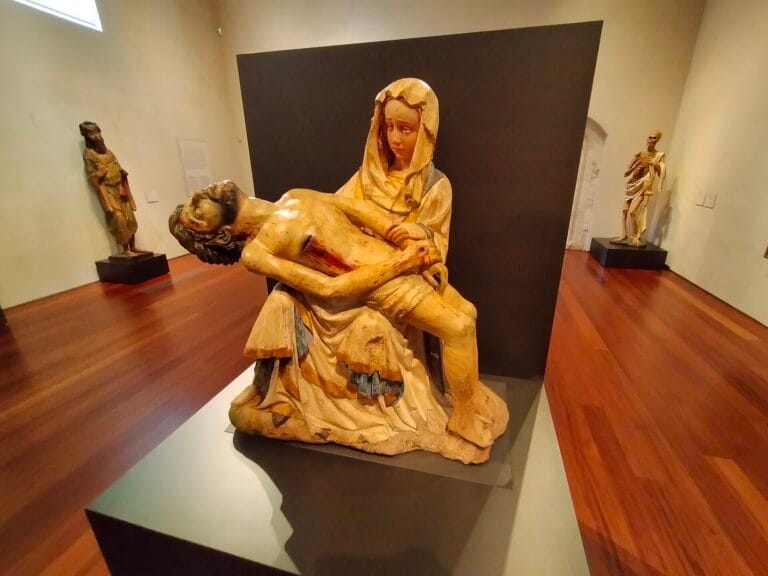
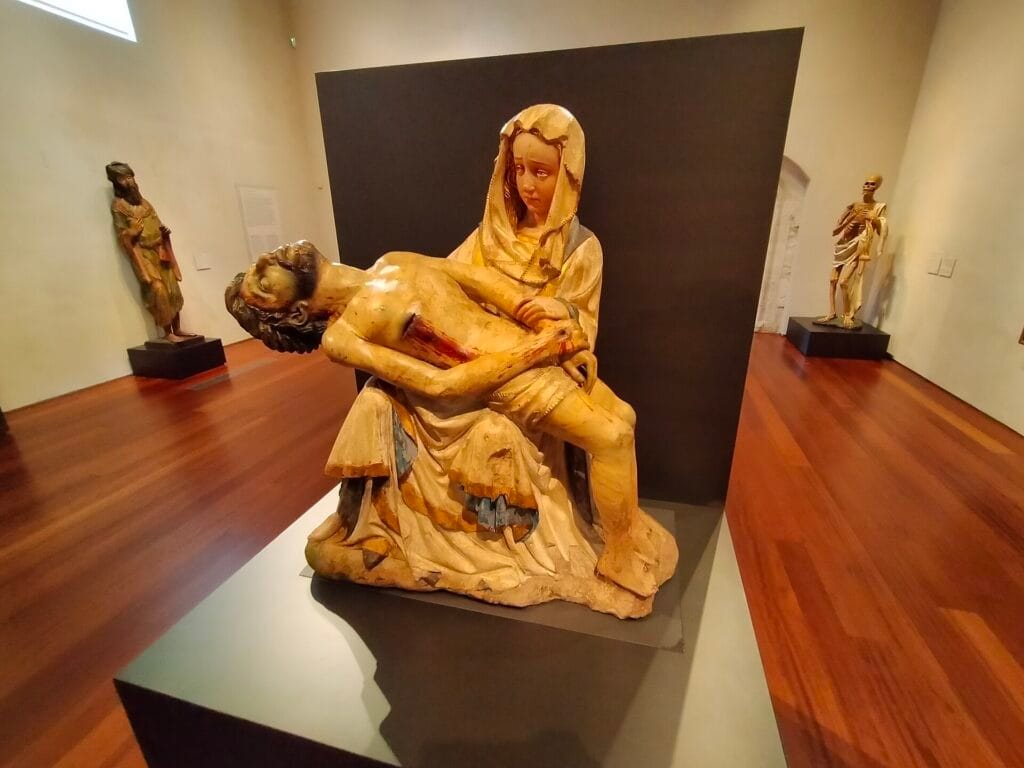
A major component of the collection consists of religious altarpieces (retablos), processional figures, and devotional statues, many originally created for churches and religious establishments now lost or inaccessible. The museum preserves these objects in a context that allows close examination. One sees how the polychromy—where paint enhances carved wood—adds lifelike qualities and emotional depth.
Significant sculptures include representations of the Virgin Mary in different devotional poses, Christ figures emphasizing passion and suffering, and saints presented with individualized gestures and details. These works reveal varying regional influences, combining Gothic elegance and later Baroque dynamism.
The Museo Nacional de Escultura also houses lesser-known but equally valuable pieces that demonstrate technical skill with materials like alabaster, showcasing fine carving and detailed ornamentation. Visitors interested in the interplay between sculpture and architecture will find many complete altarpieces assembled from multiple panels and figures, providing a rich understanding of how these elements functioned as integrated wholes.
Building and Setting
The museum is located in Valladolid, a city with deep historical ties to Spain’s royal and religious past. It is housed predominantly within the Colegio de San Gregorio, a former religious college noted for its ornate Plateresque façade, a style combining Gothic and Renaissance elements. This setting complements the collection by placing the sculptures within a building significant for its own artistic and architectural heritage.
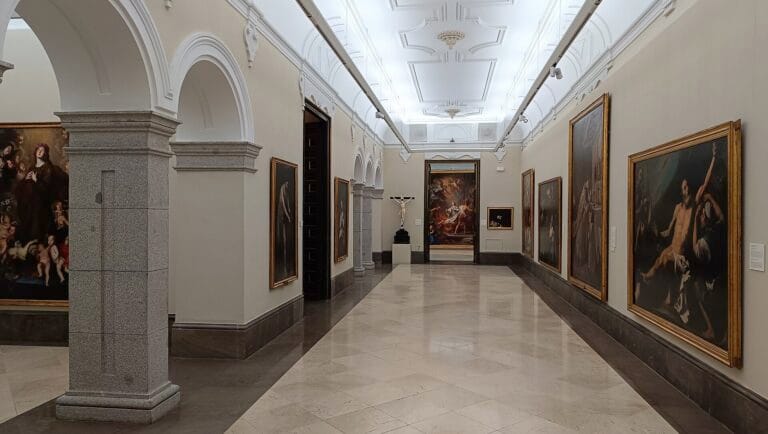
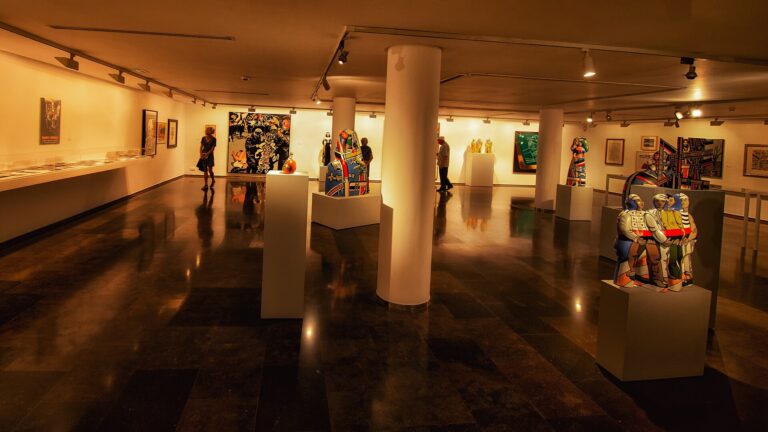
The historic building provides spacious galleries and chapels adapted for the display of sculptures in ways that echo their original sacred environments. Ceilings, lighting, and wall treatments aim to give the sculptures a sense of context rather than isolating them in overly neutral rooms.
While the building offers a visually rich and atmospheric setting, visitors should be aware that some parts may have varying spatial layouts typical of historic structures remodeled into museum use. Pathways between galleries are not always wide or straightforward, which may affect visitor flow or accessibility considerations for some guests.
Practical Information
The Museo Nacional de Escultura operates under Spain’s national museum network, and it is advisable for prospective visitors to consult the official website for the most current details on opening hours, ticketing, guided tours, and any visitor services offered. Information about discounts or special access arrangements should also be verified with official sources before planning a visit.
The museum’s layout, set within a historical building, means that while it generally accommodates a range of visitors, those with specific mobility needs might wish to check accessibility options ahead of time. The museum does not typically describe or promote extensive visitor amenities such as cafés or shops, so travelers should plan accordingly.
Photography policies, rules about taking notes, or bringing bags may be enforced due to the delicate nature of many sculptures, so understanding the museum’s regulations before arrival is recommended.
Why Visit
The Museo Nacional de Escultura presents an opportunity to explore a concentrated and specialized collection of Spanish sculpture, particularly for those with interests in religious art, material culture, or European Renaissance and Baroque aesthetics. Unlike many general art museums where sculpture may be a smaller part of the holdings, this institution offers a depth of focus that allows visitors to trace artistic developments across centuries.
Through the carved figures and altarpieces, visitors gain a clearer sense of how sculpture served both devotional and artistic purposes in Spain’s historical contexts. The collection reflects a range of regional workshops and major artists, illustrating how religious imagery was adapted and individualized.
For visitors willing to engage with religious themes and historical artistic techniques, the museum enriches understanding of Spain’s sculptural heritage. Its location and setting add an architectural layer to the experience, connecting the works to the broader urban and cultural landscape of Valladolid.
While the museum may not present a broad chronological narrative of Spanish art at large, nor feature significant holdings in painting or other media, its focus remains a strength for audiences wanting an in-depth look at the sculptural arts. The Museo Nacional de Escultura stands out as a detailed repository for understanding the form, function, and beauty of carved figures that once played central roles in worship and public ceremonies.