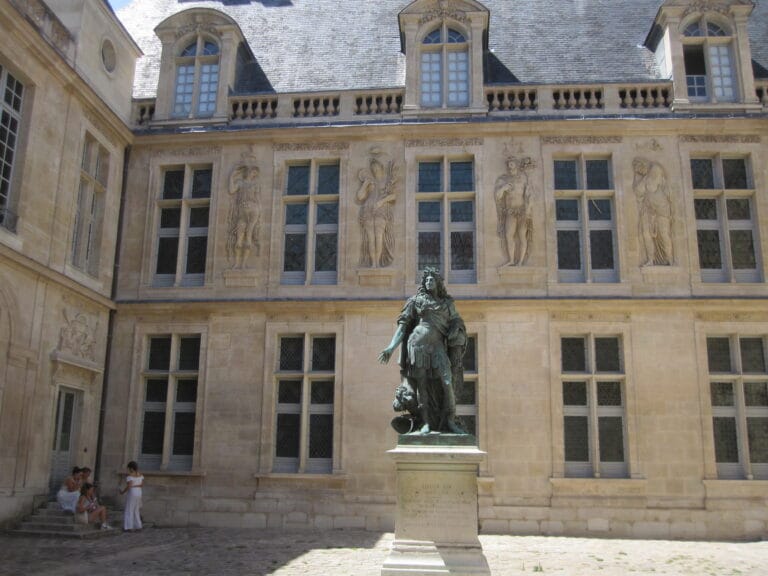
Musée national de la Marine
Maritime Museums · Paris, France. The Musée national de la Marine in Paris is a maritime museum dedicated to the history and heritage of the French Navy and seafaring more broadly. It is part of a network of naval…

Best forMuseum lovers, culture travelers, first-time visitors
Setting / nearbyParis, France
Overview
The Musée national de la Marine in Paris is a maritime museum dedicated to the history and heritage of the French Navy and seafaring more broadly. It is part of a network of naval museums in France but holds a significant place due to its location in the capital and its extensive holdings. The museum chronicles centuries of naval activity, from ship design and naval battles to exploration and scientific research at sea. It serves as a repository for artifacts that trace the technical, cultural, and artistic aspects of France’s relationship with the sea.
Maritime museums can sometimes feel narrowly focused on naval history or technical exhibits, but this institution takes a wider view. It acknowledges the practical and symbolic importance of ships and navigation, while also exploring the craftsmanship behind model ships, navigational instruments, maritime paintings, and sailor’s equipment. The museum aims to appeal not only to specialists in naval history but also to those interested in maritime culture, naval architecture, and France’s maritime legacy.
Collection Highlights
The core of the museum’s collection centers on ship models, which range from detailed miniatures representing historic warships to experimental vessels reflecting historical naval engineering. These model ships are important because they reveal the evolution of naval technology and design over time, serving as tangible records of vessels that no longer exist or were never built.
In addition to models, the museum holds maritime paintings, drawings, and prints, which document scenes of naval battles, exploration voyages, and daily life aboard ships. Many are of considerable artistic value and provide narrative context to the technical exhibits. The graphic arts collection helps visitors visualize the environments and people involved in seafaring.
The collection also includes navigation instruments such as compasses, sextants, chronometers, and other devices vital to ocean navigation prior to the modern era. These tools reflect the challenges and innovations of marine navigation before electronic aids.
Artifacts sourced from shipwrecks or naval operations may be on display as well, including parts of ship fittings, weapons, uniforms, and personal belongings of sailors. These items add a human dimension to the longstanding naval history presented.
While the museum covers a wide temporal period, its holdings focus heavily on the 17th to 19th centuries, a time when France’s naval ambitions and activities were particularly prominent. There is also attention to more recent naval history but with fewer objects on display in that area.
Building and Setting
The Musée national de la Marine is housed within the Palais de Chaillot, which overlooks the Seine and the Eiffel Tower in the 16th arrondissement of Paris. This location situates the museum among other cultural institutions and within a significant architectural setting built for the 1937 International Exhibition.
Though the building is grand and historically notable, the museum’s galleries are compact, which may affect how visitors experience the displays. The space is arranged to present the collection chronologically and thematically, but some may find the layout less expansive than other major national museums in the city.
The museum’s position in central Paris makes it accessible by public transport, easily combined with visits to nearby landmarks. However, because it is not a standalone building dedicated solely to maritime history, the impression of immersion into a maritime environment depends largely on the exhibits themselves rather than the surroundings.
Practical Information
For those planning a visit, it is advisable to consult the official website of the Musée national de la Marine before going, as details about opening hours, admission fees, and tour availability can change. The museum may offer guided visits or educational programming at times, but these are not guaranteed on every day.
Visitors should anticipate that the exhibition spaces can become busy during peak tourist seasons or weekends, which might influence the flow through the galleries. If you rely on accessibility accommodations or specific visitor services, these should be confirmed in advance.
Because it is located within the Palais de Chaillot, the museum is part of a larger complex that includes other institutions. This might be relevant for visitors wanting to combine multiple visits in one location.
Why Visit
The Musée national de la Marine offers a focused look at France’s maritime history that intersects with broader European naval developments. It provides a deep dive into ship design and naval heritage through carefully maintained collections that emphasize the craft of model building and maritime art. This can be particularly engaging for anyone fascinated by naval engineering, maritime exploration, or maritime cultural history.
The museum’s relatively compact layout means that visitors with limited time can still get a rewarding overview without feeling overwhelmed. The artifacts and artworks help to tell stories about sailors, explorers, and shipbuilders that go beyond technical details, bringing a human dimension to naval history.
On the other hand, those expecting an extensive or interactive museum may find the experience more restrained. Exhibits follow a traditional presentation style rather than focusing on hands-on or multimedia engagement. The museum’s location in Paris can naturally appeal to those balancing a broader cultural itinerary, though it may not replace visits to larger maritime museums located closer to ports or naval bases.
In summary, the Musée national de la Marine in Paris is best suited for visitors interested in naval history and maritime culture who appreciate a historic and artistic presentation. Its collection provides insight not only into the technical artistry of shipbuilding but also into the lives and voyages of those connected to France’s seafaring past. While it might not be a vast or very interactive museum, it offers a solid and thoughtfully curated perspective that enriches understanding of maritime heritage in a central urban setting.