Musée Maillol
Art Museums · Paris, France. The Musée Maillol in Paris is a dedicated art museum centered on the work and legacy of the French sculptor Aristide Maillol (1861–1944). Situated in the 7th arrondissement, it occupies a late 19th-century building…
Best forMuseum lovers, culture travelers, first-time visitors
Setting / nearbyParis, France
Overview
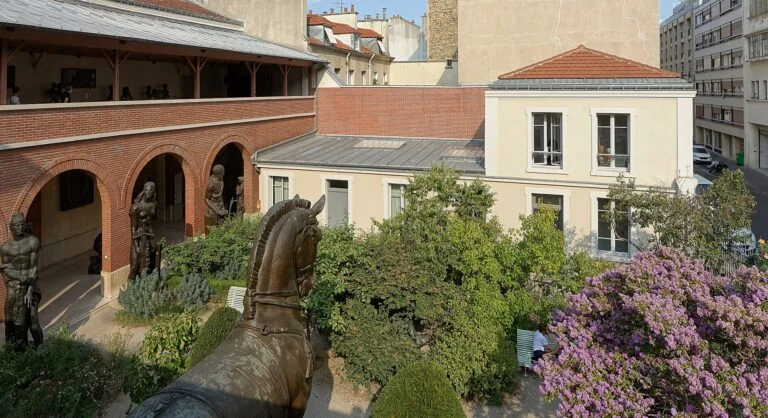
The Musée Maillol in Paris is a dedicated art museum centered on the work and legacy of the French sculptor Aristide Maillol (1861–1944). Situated in the 7th arrondissement, it occupies a late 19th-century building once part of the home of Dina Vierny, Maillol’s longtime muse and model. The museum was established to present not only Maillol’s sculptures but also works from his personal collection of 19th- and 20th-century art, offering a broader cultural perspective on his artistic milieu.
The focus on a single artist, along with the related pieces collected or inspired by him, provides visitors with concentrated insight into a crucial figure of modern sculpture. Maillol’s calm classical style stands in contrast to the more fragmented modernist sculptural trends of the early 20th century, and the museum’s layout and displays emphasize this distinct artistic approach. The Musée Maillol represents a specific chapter in French art history rather than a broad, encyclopedic look at sculpture or modern art, making it particularly suited to those with a focused interest in this sculptor or the period.
Collection Highlights
The core of the museum’s holdings is the collection of Maillol’s sculptures, featuring many of his well-known figures that emphasize simple, harmonious forms often depicting the human body, especially female nudes. These sculptures reveal Maillol’s return to classical balance, proportion, and serenity at a time when many contemporaries embraced abstraction or more dynamic, fragmented forms. Visitors can expect to see bronzes and terracottas that explore volume and mass with subtle sensuality rather than dramatic motion or narrative content.
In addition to Maillol’s own works, the museum houses paintings and sculptures by artists collected by Dina Vierny. This collection includes pieces from contemporaries and successors of Maillol, such as Paul Cézanne, Edgar Degas, Henri Matisse, and Pablo Picasso, among others. These works provide context and contrast to Maillol’s artistic vision, illustrating the artistic environment of early 20th-century France. The museum’s collection also includes prints and drawings, allowing visitors to understand the preparatory stages and broader ambitions of Maillol’s art.
While the museum’s focus remains largely on a limited group of artists tied to or influenced by Maillol’s circle, it reflects a particular moment in art history that bridges traditional and modern aesthetics. This narrow emphasis may not satisfy visitors seeking an extensive overview of all modern sculpture or broader art historical narratives.
Building and Setting
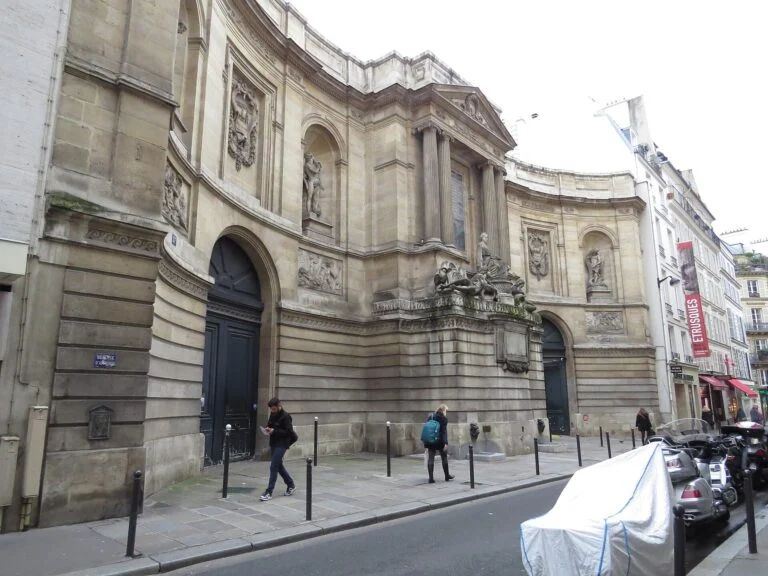
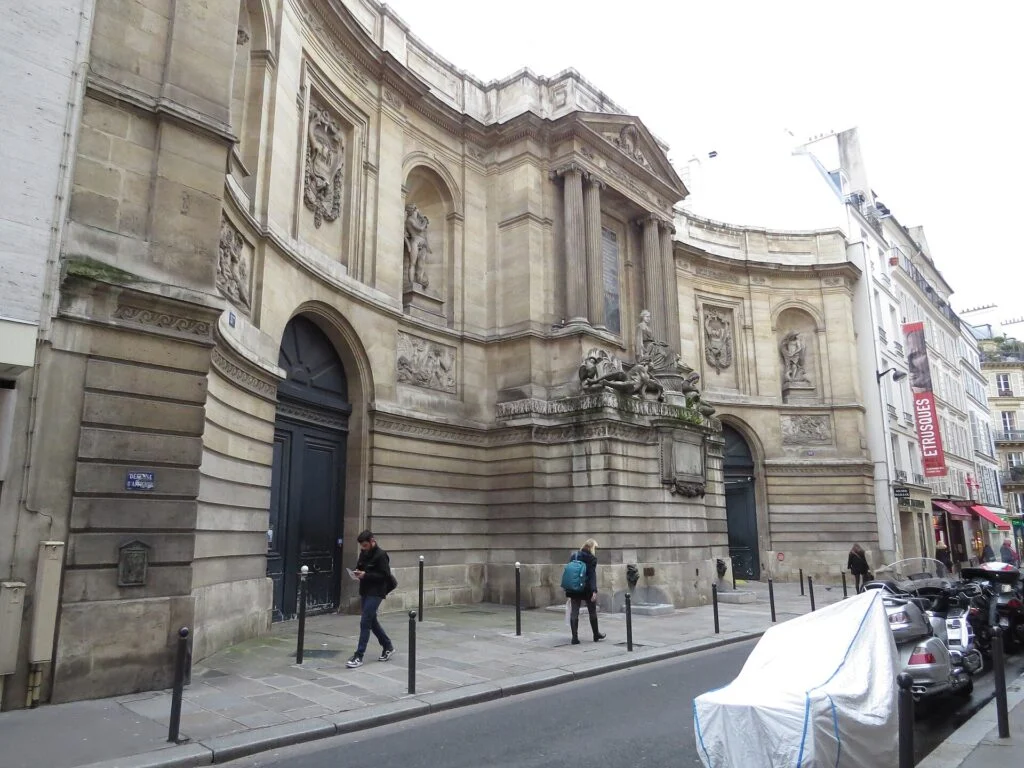
The Musée Maillol is housed in the former hôtel particulier of Dina Vierny, located on rue de Grenelle, near other significant cultural institutions in Paris’s Left Bank. The building’s atmosphere is intimate and domestic, rather than grand or museum-like, which suits the scale of Maillol’s work and the personal nature of the collection. The rooms are arranged to allow visitors to approach the sculptures closely, often in well-lit spaces that highlight the material qualities and shapes of the artworks.
This residential setting lends a quieter, more reflective ambiance compared to larger or more institutional museums in Paris. Its location in the 7th arrondissement places it within a rich urban context, though the museum itself is somewhat tucked away from the busiest tourist corridors. The setting may appeal particularly to visitors interested in a calm, focused experience rather than large crowds or extensive exhibition spaces.
Practical Information
Before planning a visit, readers should consult the museum’s official website for the most up-to-date information on opening hours, admission procedures, and any visitor services. In particular, policies related to guided tours, audio guides, booking requirements, or temporary closures may change over time.
While the museum’s size suggests a visit may not require a full day, allowance should be made for time to appreciate both the sculptures and the supplementary paintings and works on paper. Due to the museum’s intimate nature, the visitor flow may be controlled or limited to avoid congestion at key points.
Information about services like accessibility, parking, cafés, or shops is best verified directly through official sources, as offerings may vary. The residential character of the building may influence certain visitor facilities compared to purpose-built contemporary museum spaces.
Why Visit
The Musée Maillol offers a focused encounter with an artist whose work balances classical tradition with early modern sensibilities. It serves as a quiet counterpoint to more comprehensive modern art museums in Paris, allowing a deeper engagement with Maillol’s sculptures and his artistic perspective. Visitors with an interest in sculpture, especially those curious about the different directions French sculpture took in the first half of the 20th century, will find value here.
The museum also benefits from the presence of works by other major artists collected by Maillol’s muse, providing a layered appreciation of an artistic milieu rather than a single-artist show. This broader context enriches the understanding of Maillol’s place in history without overwhelming the visitor with too wide a scope.
However, the same focused nature and smaller scale mean the Musée Maillol may not appeal as strongly to those looking for a sweeping modern art experience or large-scale installations. Its charm lies in its calm, deliberate presentation and the quiet presence of sculpture that invites contemplation.
In summary, the Musée Maillol stands as a specialized art museum that honors a sculptor whose work has influenced the shape of modern sculpture in France. Its combination of personal history, carefully curated collection, and thoughtful use of domestic space creates an atmosphere suited to visitors seeking an intimate introduction to Maillol and his artistic circle.
Readers interested in visiting should refer to the museum’s official website for full details on current exhibitions, visitor requirements, and access guidelines.