Musée de la Musique
Transport Museums · Paris, France. The Musée de la Musique in Paris, France, is a museum dedicated to the history and art of musical instruments and sound. It forms part of the Philharmonie de Paris complex and is one…
Best forMuseum lovers, culture travelers, first-time visitors
Setting / nearbyParis, France
Overview
The Musée de la Musique in Paris, France, is a museum dedicated to the history and art of musical instruments and sound. It forms part of the Philharmonie de Paris complex and is one of the notable institutions focused on the heritage and cultural significance of music. Unlike general art museums or historical collections, this museum concentrates on the physical objects of musical creation, offering visitors insight into the evolution of instrument craftsmanship and the diversity of musical traditions represented in Europe and beyond.
This museum holds an extensive collection that spans several centuries, providing a tangible link between past musical practices and the experience of music today. It serves both specialists and casual visitors interested in understanding how instruments function as tools, works of art, and cultural artifacts. The Museo de la Musique also supports educational goals by illustrating changes in design, technology, and aesthetics in music-related objects.
Collection Highlights
The heart of the Musée de la Musique is its substantial collection of musical instruments. This ranges from string, woodwind, brass, and percussion instruments to keyboard varieties, reflecting a wide geographical and chronological scope. Visitors can expect to see examples of instruments that belonged to historic periods as well as more modern creations, juxtaposing the art of music-making across time.
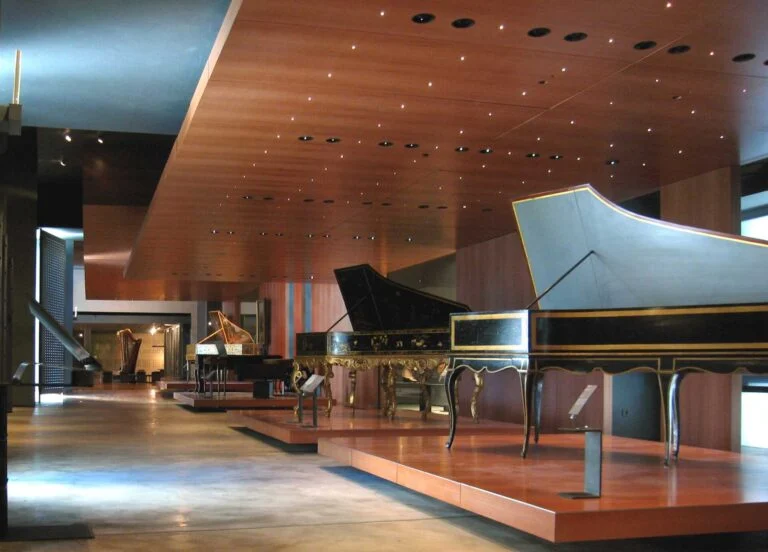
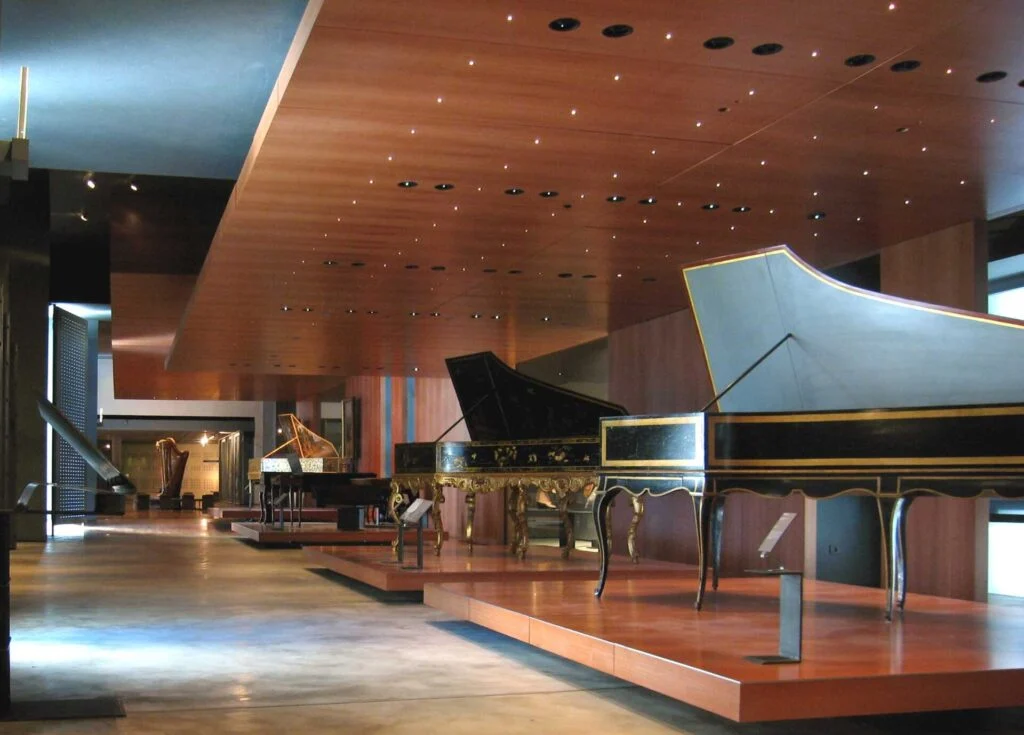
Among the highlights are early keyboard instruments such as harpsichords and clavichords, which showcase intricate craftsmanship and decoration reflecting their baroque and classical origins. The museum also includes violins and other string instruments made by some of the most influential luthiers in history, demonstrating both artistic and acoustic refinement.
In addition to European instruments, the collection features pieces from other world regions, providing some perspective on global music traditions. This diversity offers a window into different musical cultures, even though the primary focus remains European historical sources. Some musical machines or mechanical instruments may be part of the collection, illustrating the intersection of music with early technological innovation.
Exhibition displays are designed to inform visitors about the construction, use, and musical context of the objects. The museum often includes sound components or multimedia elements to help convey the instruments' sonic qualities, which is important in a museum focused on music rather than visual arts alone. However, the complexity and specialized nature of some objects might require deeper background knowledge for full appreciation.
Building and Setting
The Musée de la Musique is housed within the Philharmonie de Paris, located in the Parc de la Villette in the northeastern part of Paris. This area is known for modern cultural venues and green space, differing from Paris’s older historic districts. The architectural style is contemporary and designed to accommodate both performance and exhibition spaces.
Within this setting, the museum occupies a dedicated section that allows its collections to be exhibited with controlled lighting and acoustics suitable for delicate musical instruments. The space is designed to facilitate both careful observation and listening experiences, which can vary according to exhibit format.
The location in a large cultural complex means that visitors might combine a visit here with other musical or cultural events. While it is outside the traditional central tourist areas, the site is reachable by public transport and is part of a larger initiative to create a cultural hub on the edge of the city.
Practical Information
For those planning a visit, it is advisable to consult the museum’s official website before arriving. This is the best way to confirm current opening hours, admission fees, any requirements related to ticket purchase, and the availability of guided tours or audio guides.
Because the museum is part of a larger complex, it may be necessary to plan for additional time to navigate the venue and access the museum section specifically. Visitor flow and crowd size can vary, especially when concerts or special events are happening nearby, potentially impacting the overall experience.
The collection is displayed in a manner that requires quiet appreciation, and photography policies should be checked in advance to avoid any inconvenience. Accessibility and on-site services may also be detailed on the official channels, helping visitors with mobility considerations or other needs.
Why Visit
The Musée de la Musique is a specialized institution that appeals to those with an interest in the technical and artistic dimensions of musical instruments. It is suitable for music scholars, musicians, instrument makers, and curious visitors who want to understand how music is shaped by its physical sources.
Unlike museums focusing solely on sound or musical history in a broad sense, this museum presents a direct material culture approach. It situates instruments not only as functional objects but also as art pieces and historical witnesses to changing tastes, technologies, and societies.
Potential visitors should consider that enjoyment here depends partly on their interest in music’s tangible aspects rather than just listening to music. The displays offer detailed information and visual richness, but for some, the depth of context might require additional reading or guided explanation.
In summary, the Musée de la Musique provides a thoughtful look at the equipment of musical expression across time and place. Its location within the Philharmonie de Paris adds a broader cultural layer while maintaining a dedicated focus that distinguishes it from other artistic or historical museums in Paris. Planning a visit here offers an opportunity to experience a quieter yet richly detailed side of music’s long-standing role in human culture.