Riga Motor Museum
Automobile Museums · Riga, Latvia. The Riga Motor Museum, located in the Latvian capital, offers a focused exploration of automotive history through the lens of Latvia and the broader Baltic region. It is the largest specialized automobile museum in…
Best forMasterpieces, architecture, cultural history
Setting / nearbyThe Latvian capital, offers a focused exploration of automotive history through the lens o
Overview
The Riga Motor Museum, located in the Latvian capital, offers a focused exploration of automotive history through the lens of Latvia and the broader Baltic region. It is the largest specialized automobile museum in the Baltics and holds a significant role in documenting the development of motor vehicles and road transport in Eastern Europe. This institution serves not only as a display venue but also as an archive and research center, providing an informative experience for those interested in the engineering, design, and cultural shifts linked to automobiles.
The museum’s collection traces the evolution of vehicles from the earliest motorcars to more modern models, emphasizing the technological advances and social impact of motor transport. It stands as a tangible record of the industrial heritage connected to automobiles, reflecting changes in design, manufacturing practices, and transportation trends over more than a century.
Collection Highlights
The core of the Riga Motor Museum’s appeal lies in its diverse and carefully preserved array of vehicles. Among the exhibited pieces are rare vintage cars dating from the early 20th century. Some of these models are emblematic of pre-war European automotive design, while others come from the Soviet era, which adds an important historical and political dimension to the collection.
Visitors will encounter a variety of car types, including passenger vehicles, military transports, motorcycles, and race cars. Noteworthy exhibits include locally built vehicles and prototypes that reflect Latvia’s own contributions to the automotive sector, although the museum’s narrative extends well beyond local production. There is a strong emphasis on detailing the stories behind the cars: the manufacturing history, the people who operated them, and their roles in changing societies.
Furthermore, the museum often displays not only complete vehicles but also collections of automotive instruments and components, offering insights into the mechanics and technology of different eras. This technical aspect enriches the visitor experience, providing context to the aesthetic and historical facets of the exhibits.
Building and Setting
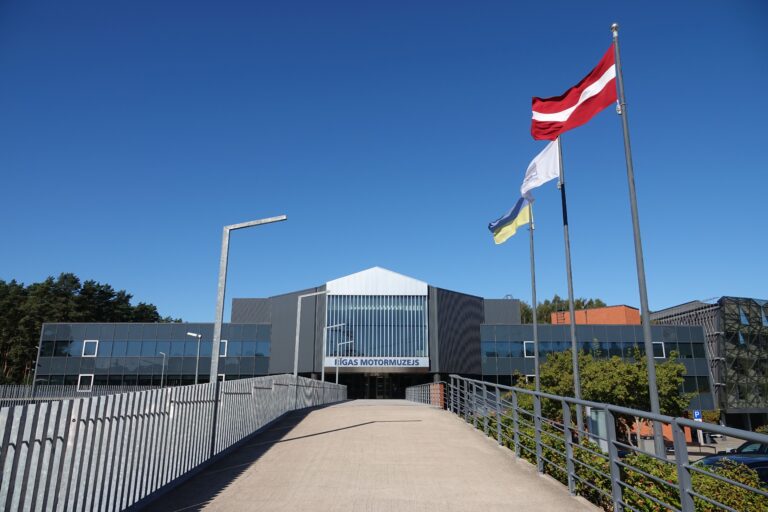
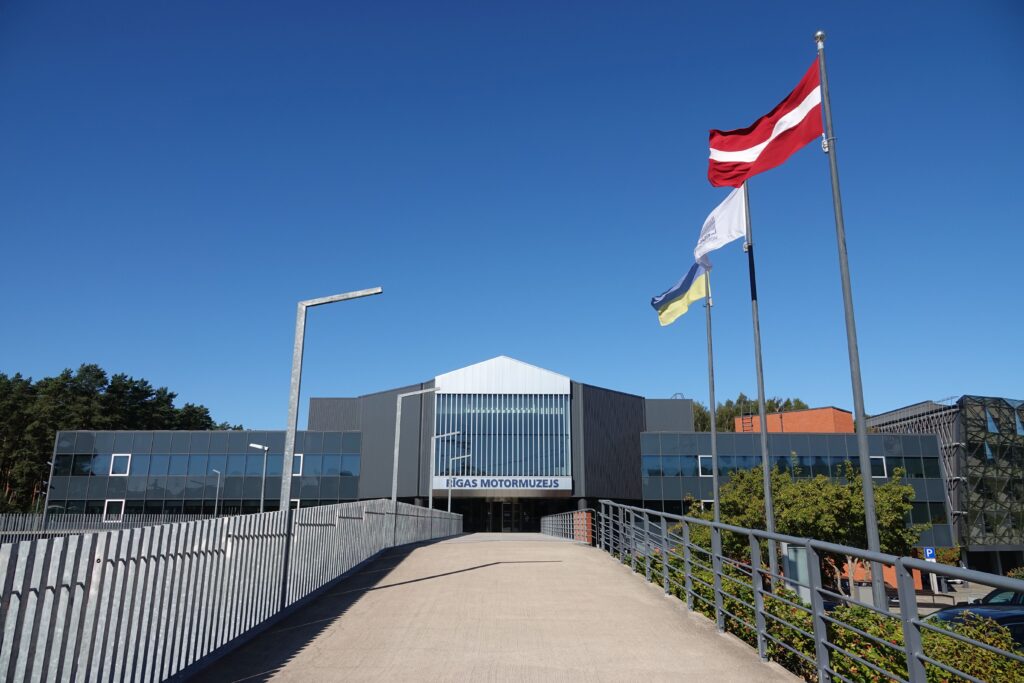
Housed in an architecturally distinctive building, the Riga Motor Museum itself is part of the appeal. The structure, designed in a streamlined modernist style dating back several decades, was initially constructed with automotive themes in mind, which connects architecturally to the museum’s present-day function. The streamlined forms and industrial materials mirror the spirit of innovation and speed associated with motor vehicles.
The museum’s location is accessible from Riga’s city center and is integrated into the urban fabric without overwhelming it. The space within allows for a thoughtful exhibition layout where vehicles are displayed with adequate room, enabling visitors to appreciate each item from various angles. The interior design, while practical, remains conducive to engaging with the vehicles as artifacts rather than purely decorative objects.
Some temporary exhibits or special events may be held in adjoining spaces, providing variety alongside the permanent collection. However, prospective visitors should check in advance about special programming if particular themes or vehicle types are of interest.
Practical Information
For those planning a visit, the Riga Motor Museum offers both permanent exhibitions and occasional temporary displays. It is advisable to confirm the latest opening hours and ticket pricing before attending, as these details can vary seasonally or due to special circumstances. Official sources and the museum’s website are reliable points of reference for up-to-date practical information.
The museum is generally suited to a wide range of visitors, including families, automobile enthusiasts, and scholars. Facilities are designed to accommodate accessibility needs, but confirming specifics in advance is recommended for visitors with particular mobility requirements. Audio guides or descriptive materials may be available, enhancing the educational component of the visit.
The museum shop, which typically features publications and memorabilia related to automobiles and the museum collection, provides an opportunity to take home supplementary insights or souvenirs. On-site amenities might include a café or seating areas, useful for breaks during longer visits.
Why Visit
The Riga Motor Museum appeals to those interested in the intersection of technology, history, and culture through the story of automobiles. It is a museum that speaks not only to car enthusiasts but also to individuals curious about how transportation shapes societies, economies, and environments. Unlike many larger automotive museums concentrated on general international mass production, this institution provides a more regionally nuanced perspective.
The museum’s strength lies in its historical depth and regional focus, presenting vehicles as artifacts loaded with stories that convey broader societal changes. The evidence of Soviet-era automotive design and production, for instance, offers insights into a complex period not often foregrounded in Western automobile exhibitions.
In sum, the Riga Motor Museum represents a significant resource for understanding the cultural and technological impact of motor vehicles in Latvia and its neighboring countries. Its ability to engage with both technical and narrative dimensions of automotive history makes it a compelling destination for visitors seeking a contemplative and informative experience beyond mere display.