Lao National Museum
Vientiane, Laos. The Lao National Museum in Vientiane centers on the history of Laos, presenting the country’s journey from ancient times through colonial rule to its modern political identity. It stands apart in its focus on…
Best forMuseum lovers, culture travelers, first-time visitors
Setting / nearbyVientiane, Laos
Overview
The Lao National Museum in Vientiane centers on the history of Laos, presenting the country’s journey from ancient times through colonial rule to its modern political identity. It stands apart in its focus on the revolutionary era and the country’s twentieth-century history, effectively communicating the struggles and transformations that shaped today’s Laos. While it includes prehistoric and early cultural artifacts, the museum’s primary narrative is rooted in the 19th and 20th centuries, emphasizing political movements, national resistance, and independence.
The museum is not merely a repository of art or antiquities; it is a history museum with a clear perspective on Laos’s political evolution. This approach can help visitors understand how historical events have influenced the present-day nation and its culture. Unlike some comprehensive archaeological museums, the collection is oriented more toward historical interpretation than displaying elaborate ancient artifacts. It occupies a distinct role in Vientiane by providing insight into events and figures often central to Laotian national identity and contemporary society.
Collection Highlights
The strength of the Lao National Museum lies in its exhibitions related to the Indochina period, especially the resistance against French colonialism and the conflicts of the mid-20th century. Displays include military equipment, photographs, banners, and documents connected to the Pathet Lao, the communist political movement that played a lead role in Lao history. These are supported by informative panels describing key battles, political developments, and the organization of revolutionary forces.
Artifacts linked to the Lao royal family and pre-colonial kingdoms appear as well, though relatively briefly. These include traditional textiles, religious items, and some ceramics that reflect elements of Lao culture before colonial influence, but these are not the museum’s main focus. It also features items from the early Socialist Republic era after 1975, tracing the country’s changes following the end of the monarchy.
While the archaeological material included in the collection provides some local context, it does not dominate the exhibitions. Instead, the main storyline involves how Laos moved from a patchwork of kingdoms through external domination to modern statehood. The museum’s objects are often accompanied by text detailing historical background, giving visitors a sequential understanding of political and military history with concrete examples like weapons, uniforms, and propaganda materials.
Building and Setting
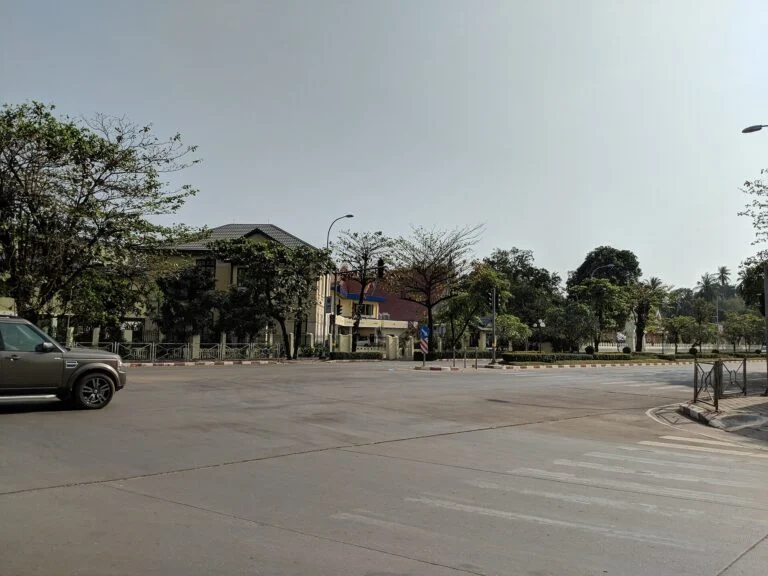
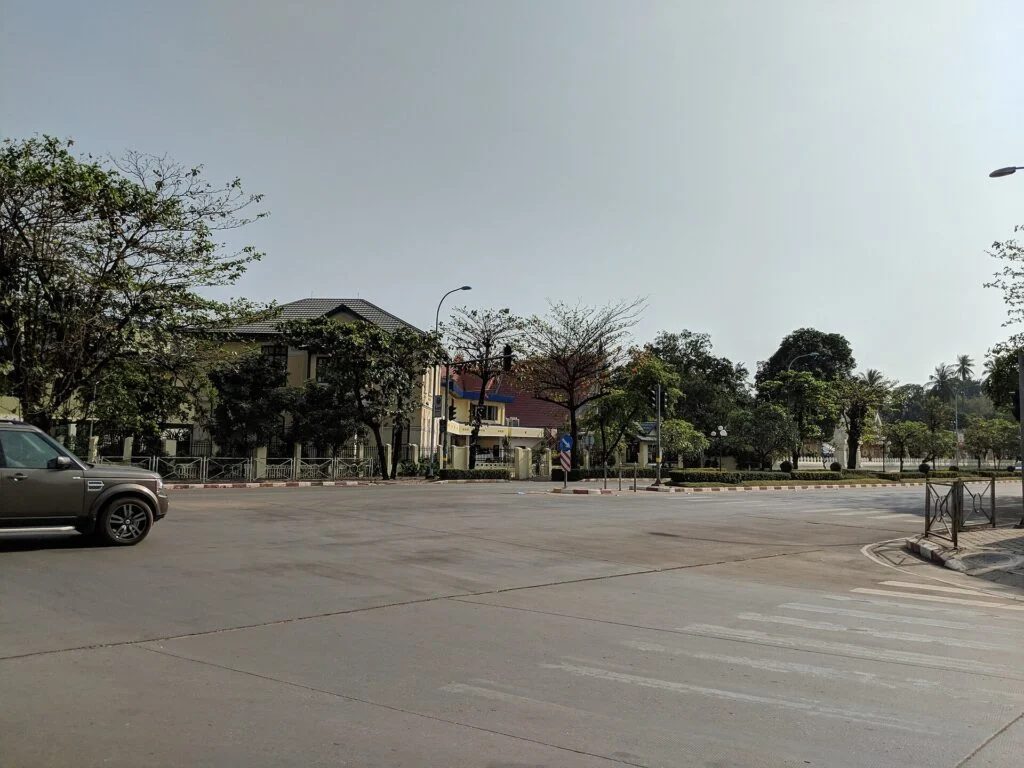
Housed in a French colonial-style building, the museum itself reflects the history it presents. The structure was formerly a provincial governor's residence during colonial times and bears the architectural traits common in early 20th-century administrative buildings in Laos. Its location in central Vientiane places it among several government and cultural institutions, enabling visitors to combine it with nearby sites of the city’s historical and administrative significance.
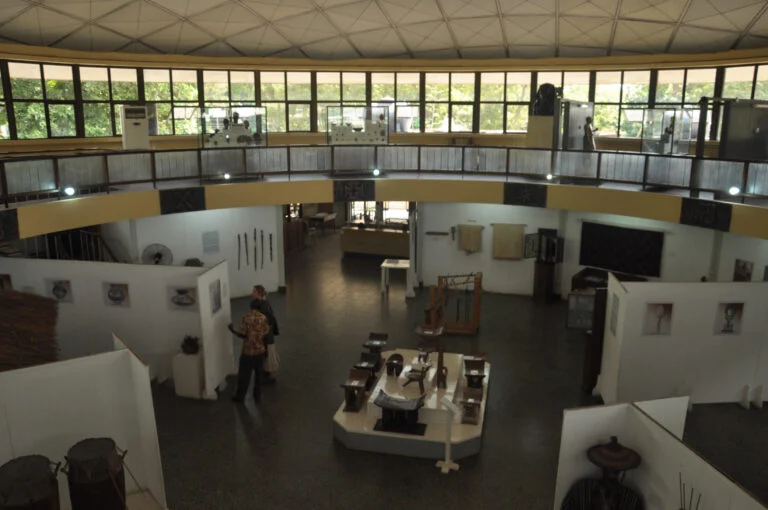
The building is modest in size compared to large national museums elsewhere, which means the museum’s layout is relatively straightforward with display rooms arranged to follow the historical timeline. Structural details like wooden floors and colonial-era windows add a layer of historical context without overwhelming the visitor. While the setting is urban and official, it lacks landscaped gardens or extensive exterior exhibits connected to the museum.
Practical Information
For up-to-date opening hours, admission details, and any visitor requirements, it’s advisable to check the museum’s official website before planning a visit. While basic facilities are present, none are known for extensive convenience services typical of larger tourist museums. The museum operates primarily as a cultural and historical resource rather than a commercial attraction, which impacts the scope of visitor amenities.
Due to the limited size and nature of the exhibitions, extended visits might feel repetitive for those expecting a large collection. Prior knowledge of Lao history can enhance the experience, given the dense political content and use of historical terms. Visitors without familiarity with Indochina or Southeast Asia’s 20th-century history may find some displays assume background knowledge.
Why Visit
The Lao National Museum offers a focused, clear dose of Lao political history rooted in tangible objects and archival material. It is a good place for anyone wanting to understand the country’s modern history beyond the tourist sights, especially its struggle against colonial and wartime challenges in the twentieth century. The emphasis on resistance movements and nation-building also provides context that helps explain Lao politics today.
The museum’s specialized narrative can feel narrow, especially if you are hoping for broader cultural or artistic content. Its relatively small scale means major archaeological or fine art items are limited, so it is not an exhaustive overview of Laos’s history or culture at large. However, for a concise presentation of political history and an introduction to the forces behind modern Laos, it offers direct access to original materials and a clear historical framework.
If your interest lies primarily in ancient or religious art of Laos, this museum’s collection will be less satisfying. But those curious about the country’s 20th-century political transformations and the legacy of colonialism will find it a useful resource. The building itself, as a former colonial government residence, adds a physical connection to the past it describes.
In sum, it is a suitable destination for those looking to understand Laos through its revolutionary and post-colonial history with access to objects and stories that have shaped the nation’s recent past.