History Museum of Armenia
History Museums · Yerevan, Armenia. The History Museum of Armenia, located in the capital city of Yerevan, offers a detailed look at Armenia’s extensive past through its archaeological finds, ethnographic materials, and historical artifacts. It is a national institution…
Best forHistory lovers, cultural travelers, local heritage
Setting / nearbyYerevan, Armenia
Overview
The History Museum of Armenia, located in the capital city of Yerevan, offers a detailed look at Armenia’s extensive past through its archaeological finds, ethnographic materials, and historical artifacts. It is a national institution dedicated to tracing the story of the Armenian people from ancient times to the modern era. As a history museum, it serves both scholars and the general public by preserving and presenting evidence of Armenia's cultural identity, social development, and historical transformations.
Established in the early 20th century, the museum maintains one of the country’s largest collections dedicated to Armenian heritage. Its focus is primarily on items that document everyday life, art, and the political history of the region spanning millennia. This emphasis helps visitors understand not only major historical milestones but also the context of ordinary lives in Armenian society over centuries. The museum complements the broader cultural landscape of Yerevan and offers a grounded, material approach to history that differs from narrative or purely textual accounts.
Collection Highlights
The museum’s collection is comprehensive in scope, featuring archaeological pieces that shed light on prehistoric and ancient Armenia. Visitors can expect to see stone tools, ceramic vessels, and metalwork dating from the Paleolithic era through the Urartian period. Some of these artifacts illustrate early craftsmanship, trade, and ritual practice, making visible the continuity and change in the Armenian highlands.
Ethnographic objects form a substantial part of the display, including traditional costumes, household items, and tools related to pastoral and agricultural life. These items reveal social structures, customs, and the day-to-day activities of Armenians from various historical periods. They are important for grasping the continuity of cultural traditions despite the region’s complex and often turbulent history.
The collection also includes an array of manuscripts, coins, and religious artifacts, reflecting Armenia’s place at the crossroads of different empires and cultures. Some pieces point to the country’s pivotal role in early Christian history. The museum’s numismatic collection, featuring various Armenian and foreign coins, gives insight into economic history and political changes over time.
For those interested in more recent Armenian history, the museum holds photographs, documents, and memorabilia connected with events from the 19th and 20th centuries. These objects provide perspectives on the effects of imperial rule, modernization, and the 20th-century conflicts that shaped the nation. The display balance between ancient and modern relics allows visitors to trace long-term historical narratives alongside more immediate, identifiable events.
Building and Setting
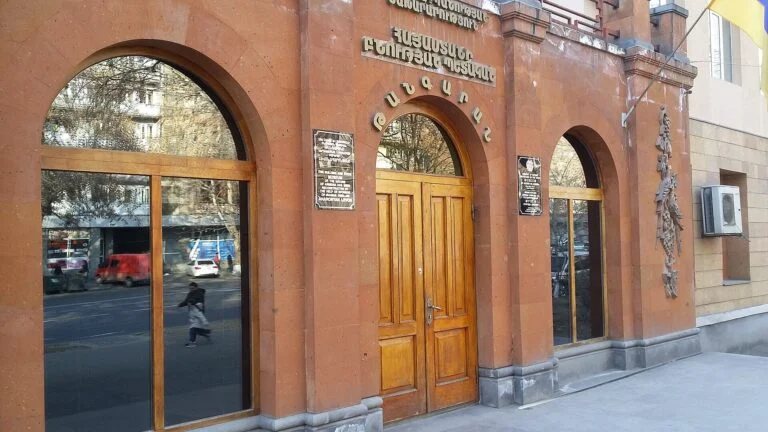
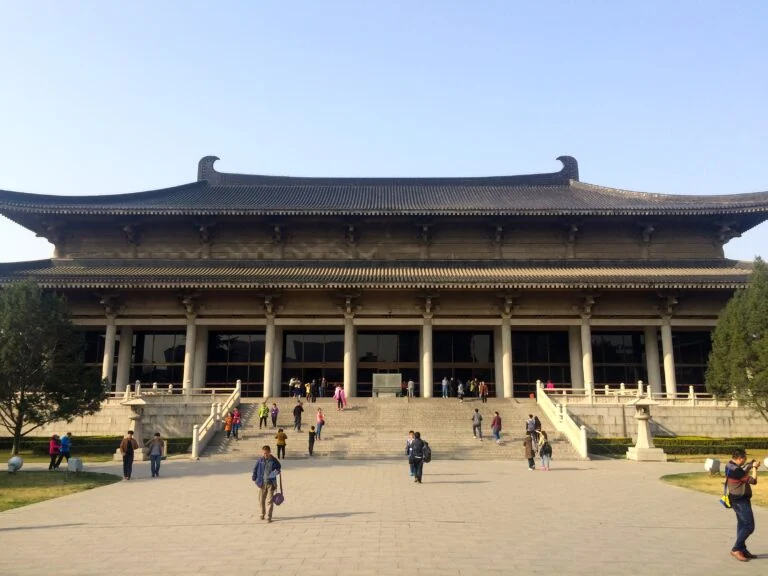
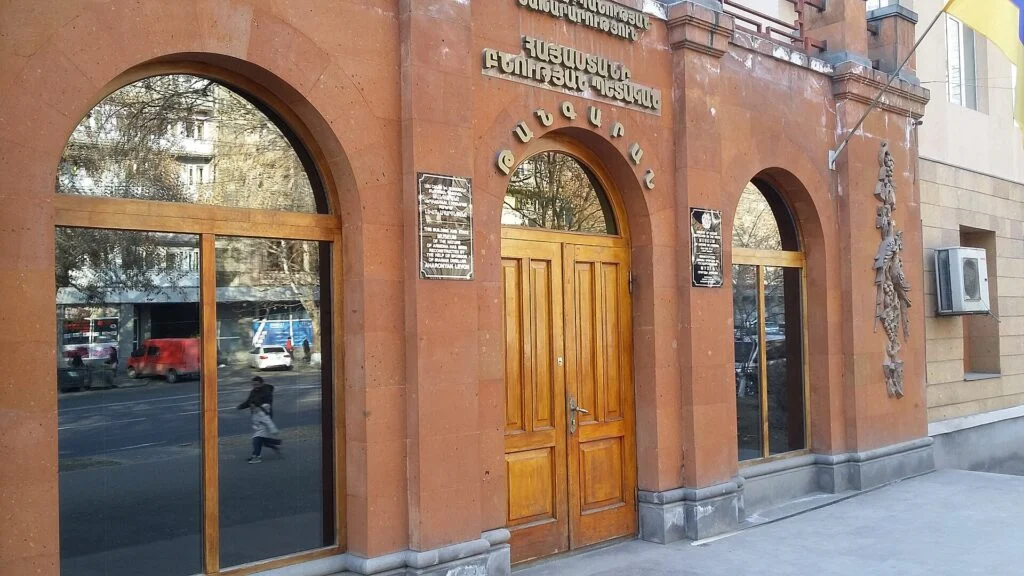
The building housing the History Museum of Armenia is positioned in a central district in Yerevan, close to Republic Square. This location places it within easy reach of other cultural institutions and government buildings, reinforcing its role in the civic and cultural life of the city. The architectural style and size of the museum building reflect mid-20th-century design and state investment in public culture, rather than historic or monumental architecture.
Inside, the layout includes several exhibition halls arranged to guide visitors through chronological periods or thematic areas. The museum is designed to accommodate both permanent exhibitions and temporary displays, though the permanent collection forms the core. Lighting and explanatory panels aim to clarify the context of the exhibits, though some visitors may find the presentation traditional and focused on factual display rather than interpretive or interactive elements.
Surrounding the museum, the urban environment is typical of central Yerevan with nearby streets, parks, and public squares offering a lively backdrop. The museum’s proximity to cafes and public transportation points ensures it is accessible for both tourists and local visitors.
Practical Information
Before planning a visit, it is advisable to check the official museum website or local tourist information sources for the most up-to-date details on opening hours, ticketing, and any possible restrictions or special events. This is particularly important as schedules and policies may vary seasonally or due to local circumstances.
Information on tours, available guides, or audio services might also be available through official channels, but prospective visitors should confirm these options in advance. Similarly, details about accessibility for those with mobility issues should be sought directly from the museum to ensure a smooth visit.
Large parts of the collection are on permanent display, but temporary exhibitions occasionally rotate to highlight specific themes or loaned artifacts. These can offer a richer or different perspective from what is usually presented. Checking current exhibition details helps determine whether the visit will include additional content beyond the core collection.
Why Visit
The History Museum of Armenia is primarily suited for visitors seeking a focused, tangible connection to Armenian history through its material culture. Its range introduces significant archaeological periods and ethnographic traditions while also dealing thoughtfully with complex political histories. This makes it valuable for those interested in understanding the foundation of Armenian national identity and social development.
History enthusiasts, students, and researchers will find many artifacts that are less commonly accessible outside of Armenia. The museum provides a level of detail and scope which can be difficult to find in more general museums, especially regarding the prehistoric and early historic periods of the region.
However, visitors looking for a museum with extensive multimedia presentations or highly interactive exhibits may find the approach here somewhat conventional. The emphasis is on artifacts and explanatory labels, with less emphasis on modern interpretive tools. This may appeal to those who appreciate a straightforward, traditional museum experience over a digitally enhanced one.
Moreover, the museum’s location in Yerevan makes it an accessible and convenient addition to an itinerary focused on Armenian history or culture. Its size and content allow for a thorough visit without requiring an entire day, combining well with other nearby museums, galleries, or cultural sites.
In summary, the History Museum of Armenia offers a well-organized collection that documents the cultural and historical trajectory of the Armenian people through a variety of objects and materials. While not necessarily oriented toward casual visitors seeking entertainment or spectacle, it remains an essential resource for any serious exploration of Armenia's past.