Guangdong Museum
Art Museums · Guangzhou, China. The Guangdong Museum is a premier cultural institution located in the bustling city of Guangzhou, China. As a comprehensive museum dedicated to the rich heritage and diverse history of Guangdong Province, it serves as…
Best forMasterpieces, architecture, cultural history
Setting / nearbyThe bustling city of Guangzhou, China
Overview
The Guangdong Museum is a premier cultural institution located in the bustling city of Guangzhou, China. As a comprehensive museum dedicated to the rich heritage and diverse history of Guangdong Province, it serves as a vital repository for the region’s art, culture, natural history, and folk traditions. This local history and cultural museum offers visitors a deeply informative experience through its well-curated exhibitions and extensive collections. The museum seeks to educate, inspire, and foster a greater appreciation for Guangdong’s unique contributions to Chinese civilization and the broader world.
Collection Highlights
The Guangdong Museum boasts an impressive collection that encompasses multiple facets of the province’s heritage. Its archaeological artifacts trace the ancient cultures that inhabited the region, revealing insights into prehistoric times through tools, pottery, and other relics. These exhibits often provide context about Guangdong’s early development and its interactions with neighboring areas.
A standout feature of the museum lies in its ethnographic and folk art displays. Guangdong is home to diverse ethnic groups, each contributing to the province’s rich cultural mosaic. The museum celebrates this with traditional costumes, crafts, musical instruments, and ritual objects, offering a glimpse into daily life and customs that continue to shape local identity.
Art enthusiasts will find remarkable collections of ceramics, calligraphy, paintings, and sculpture. Guangdong’s artistic traditions, influenced by both regional styles and broader Chinese art movements, are well represented. The museum’s gallery spaces often include calligraphic works and ink paintings that demonstrate the refined aesthetic sensibilities cultivated in southern China.
Natural history elements also form a part of the museum’s offerings. Exhibits relating to the region’s diverse flora, fauna, and geological features provide a scientific perspective on Guangdong’s environment and ecological significance. Fossils and specimens contribute to a broader understanding of the natural world in this subtropical area.
Building and Setting
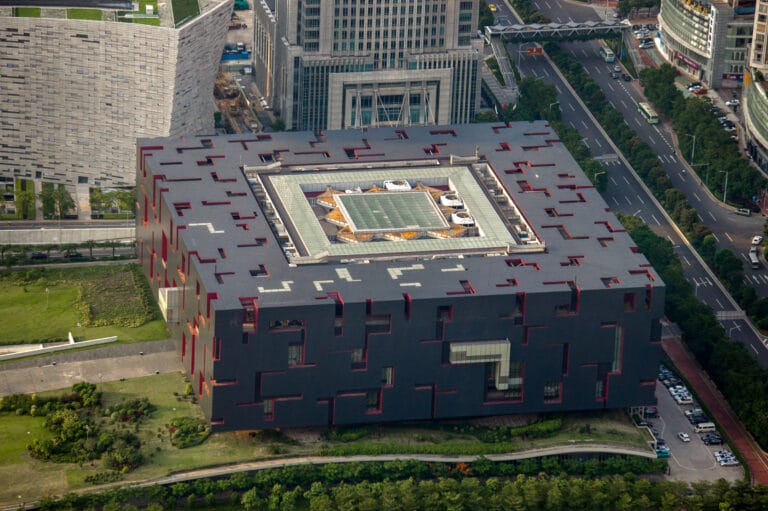
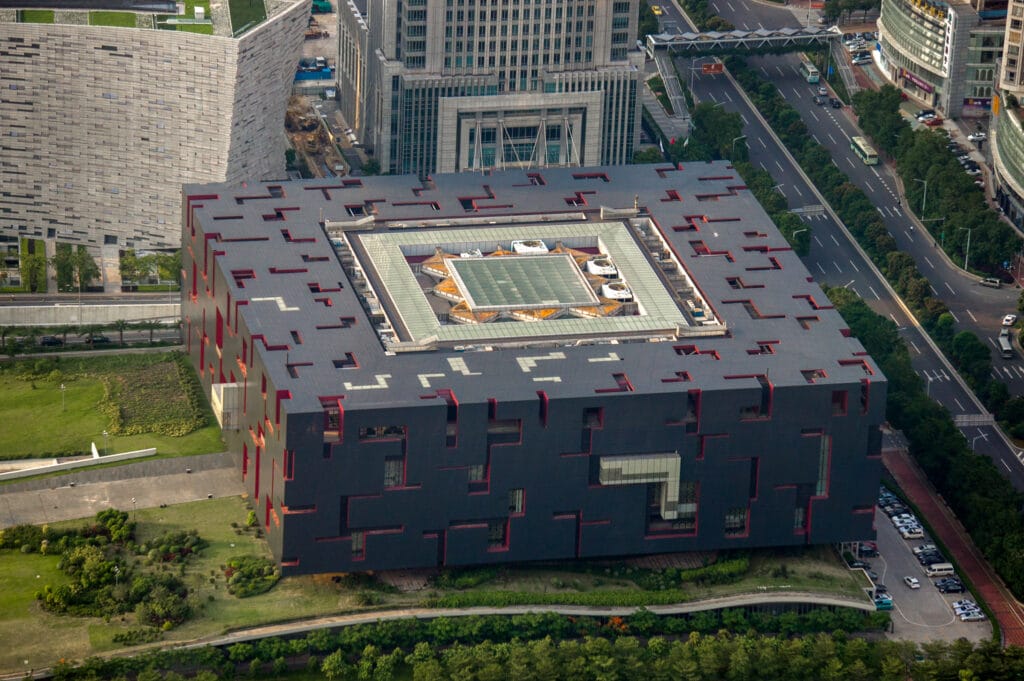
The Guangdong Museum is housed in a modern architectural structure situated within the verdant surroundings of the central area of Guangzhou. The design of the building is both functional and symbolic, with spacious halls and thoughtfully arranged galleries that enhance the viewing experience. Large glass facades and open interiors create a welcoming atmosphere filled with natural light, inviting visitors to explore comfortably.
Its location is conveniently accessible, often near other cultural landmarks and public parks, making it a compelling stop for those interested in the arts and history while touring the city. The museum’s layout is designed to facilitate a chronological or thematic journey through Guangdong’s past and present, with clear signage and informative displays guiding visitors through the exhibits.
The museum might also incorporate outdoor spaces or ancillary features such as a museum shop and quiet areas for reflection, enriching the visit beyond the indoor exhibitions.
Practical Information
Before planning a visit to the Guangdong Museum, it is advisable to verify the current opening hours and ticketing details, as these can vary due to special events, public holidays, or health and safety regulations. Entry policies, including any possible fees or requirements for advance booking, should be checked on the museum’s official website or through authorized visitor information channels.
Facilities available for visitors generally include educational resources, guided tours, restrooms, and cafes, ensuring a comfortable experience. Accessibility services are likely provided to accommodate all guests. The museum typically welcomes individuals, groups, school parties, and tourists alike.
For visitors wishing to maximize their time, consulting the museum’s schedule for temporary exhibitions or special programs can be beneficial. These may offer exclusive insights or highlight particular aspects of Guangdong’s culture and history not covered in the permanent collection.
Why Visit
The Guangdong Museum offers a rewarding journey into one of China’s most dynamic and historically significant provinces. Its comprehensive approach blends art, history, ethnography, and natural science, making it an enriching destination for anyone interested in understanding southern China’s heritage.
For travellers aiming to grasp the cultural fabric of Guangzhou and the broader region, the museum serves as an essential introduction and complement to the city’s bustling urban life. It provides context for Guangdong’s role in Chinese history, from ancient times through modern developments, highlighting its contributions to art, trade, and cultural exchange.
In addition, the museum’s commitment to preserving and presenting Guangdong’s unique local traditions fosters a sense of connection and continuity with the past. Visitors can appreciate the diversity of the region’s peoples and environments while engaging with exhibitions that are both informative and visually captivating.
Whether you are a history buff, art lover, student, or simply curious about Guangdong, the museum offers a curated experience that combines educational depth with accessible presentation. Its blend of traditional and contemporary exhibitions ensures there is something of interest for everyone, making it a worthwhile and memorable attraction during your stay in Guangzhou.