Long Museum West Bund
Art Museums · Shanghai, China. The Long Museum West Bund in Shanghai is a premier art museum that celebrates both traditional and contemporary artistic expression within China and beyond. Established as part of the dynamic cultural landscape of Shanghai,…
Best forMasterpieces, architecture, cultural history
Setting / nearbyShanghai, China
Overview
The Long Museum West Bund in Shanghai is a premier art museum that celebrates both traditional and contemporary artistic expression within China and beyond. Established as part of the dynamic cultural landscape of Shanghai, this institution aims to provide a vibrant platform for art appreciation, education, and cultural exchange. It is the sister venue of the original Long Museum, continuing the founders' vision to make art accessible to the public while fostering a dialogue between historical and modern creativity. Situated on the banks of the Huangpu River, the museum plays a pivotal role in enhancing the cultural fabric of the city, complementing Shanghai’s rapid development in arts and culture.
Collection Highlights
The Long Museum West Bund primarily focuses on modern and contemporary Chinese art, showcasing a wide range of mediums, including painting, sculpture, installation, photography, and multimedia works. Its collection features pieces by both emerging and established artists, offering visitors a comprehensive view of recent trends and developments in the art world. Notable exhibitions have included retrospectives on influential Chinese artists as well as thematic shows that explore critical social, political, and cultural issues through the lens of visual art.
One of the museum's distinguishing features is its commitment to displaying artworks that resonate with Shanghai’s unique history as a global metropolis. Exhibitions often explore the intersection of local heritage and global narratives, providing insight into how Chinese artists engage with both their national identity and the broader international art scene. The museum is also known for its large-scale installations and immersive exhibitions that provide stimulating environments, inviting visitors to actively engage with art beyond traditional formats.
Aside from contemporary artwork, the museum occasionally features historical pieces, including classical Chinese art and artifacts, which help contextualize the evolution of artistic practices in China. This blend of historical and modern elements enriches visitors' understanding of China’s cultural continuum, making it a compelling destination for art lovers with diverse interests.
Building and Setting
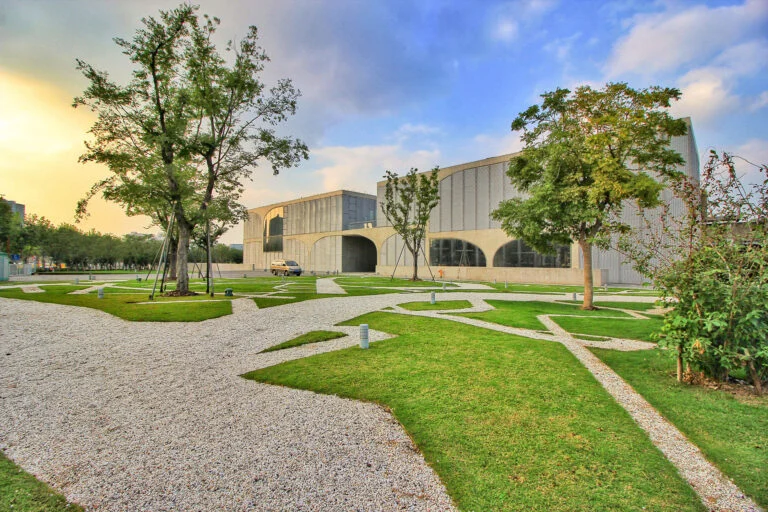
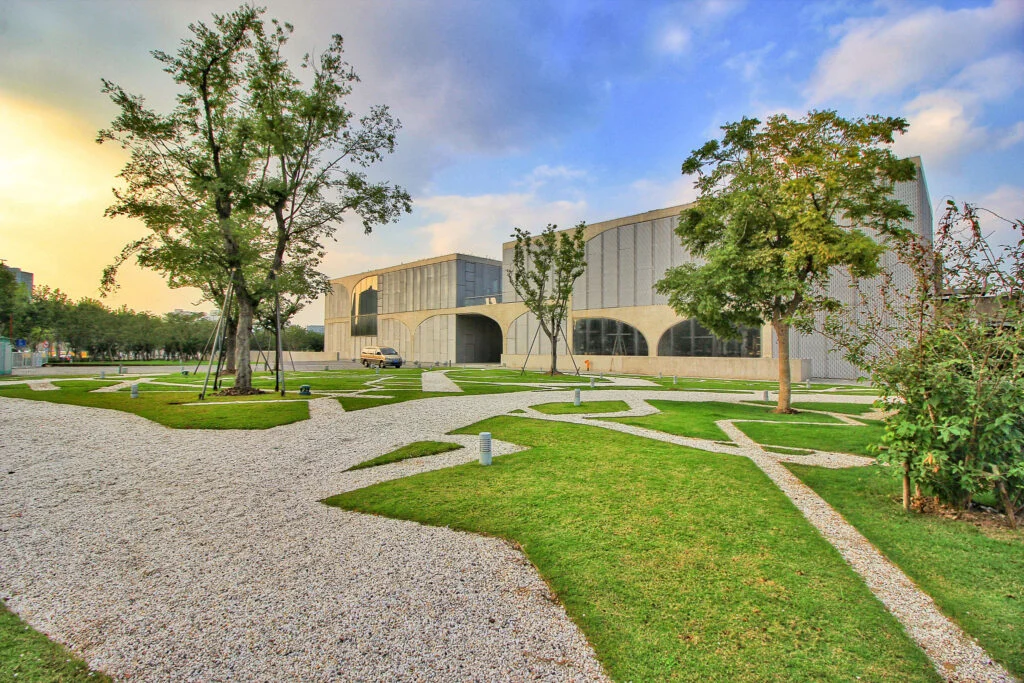
The Long Museum West Bund is housed in a striking modern architectural complex designed to harmonize with the nearby riverfront and the surrounding urban environment. The building’s design prioritizes natural light and open spaces, creating an inviting atmosphere where the artwork can be appreciated in optimal conditions. Its layout is thoughtfully organized to allow for flexible exhibition spaces, enabling the presentation of a wide variety of art forms and scales.
The museum is located in the West Bund area, a thriving cultural district in Shanghai that has recently emerged as a hub for galleries, creative spaces, and cultural institutions. This setting enhances the museum’s appeal, as visitors can explore a variety of artistic venues and public spaces nearby. The waterfront location also offers scenic views that add a serene backdrop to the museum experience, encouraging visitors to spend time not only inside but also around the site.
Accessibility features are well integrated throughout the museum, ensuring a comfortable visit for all, including those with mobility challenges. Thoughtful amenities such as a museum café, bookstore, and rest areas contribute to a welcoming environment where visitors can relax and deepen their engagement with art and culture.
Practical Information
Before planning a visit to the Long Museum West Bund, it is advisable to check the most current opening hours and ticket details, as these can vary according to special exhibitions or public holidays. Admission policies may also differ depending on the type of event or exhibition being held, so verifying this information through official channels can help avoid any inconvenience.
The museum is generally accessible by various modes of public transport, including metro and bus services, making it relatively easy for visitors to reach. Parking options are available for those arriving by car, but these can be limited during peak periods or large events.
Guided tours and educational programs are frequently offered, which can greatly enhance the visitor experience by providing deeper insights into the exhibitions on display. Audio guides and printed materials are often available to support self-guided tours.
Photography policies inside the museum may vary; visitors should observe any restrictions to respect the artworks and other visitors. Food and drink are usually limited to designated areas such as the café to maintain the integrity of the exhibition spaces.
Why Visit
The Long Museum West Bund is an essential destination for anyone interested in the vibrant world of Chinese contemporary art and its dialogue with international art movements. Its carefully curated exhibitions not only spotlight artistic innovation but also encourage reflection on cultural identity, history, and the social pulse of modern China.
As part of the rapidly evolving West Bund cultural district, the museum offers more than just a look at art; it provides an immersive cultural experience set within one of Shanghai’s most dynamic and scenic areas. Visitors have the chance to engage with thought-provoking contemporary works in a thoughtfully designed environment that promotes discovery and inspiration.
Whether you are an art connoisseur, a student of cultural trends, or simply in search of an enriching outing, the Long Museum West Bund presents a compelling and approachable encounter with the arts. Its blend of artistic excellence, cultural relevance, and architectural elegance ensures a memorable and meaningful visit that resonates well beyond the gallery walls.