Estonian History Museum
History Museums · Tallinn, Estonia. The Estonian History Museum in Tallinn presents the story of Estonia from the earliest times through the 20th century. Rather than focusing narrowly on one era or theme, it offers a broad exploration of…
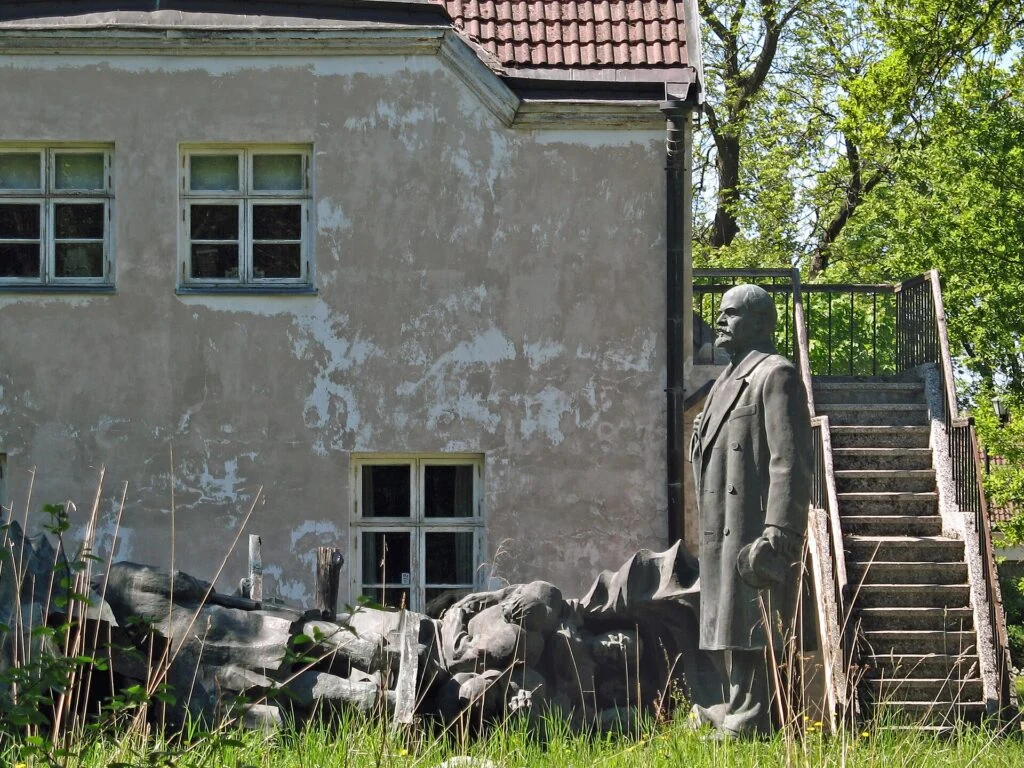
Best forHistory lovers, cultural travelers, local heritage
Setting / nearbyTallinn, Estonia
Overview
The Estonian History Museum in Tallinn presents the story of Estonia from the earliest times through the 20th century. Rather than focusing narrowly on one era or theme, it offers a broad exploration of how Estonian society, culture, and identity have evolved over centuries. The museum does this through a combination of archaeological finds, cultural artifacts, and historical documents. It operates as a local history institution that brings together diverse aspects of Estonia’s past—rural traditions, medieval urban life, foreign occupations, and national awakenings—in one place. This museum is often recognized for tracing the country’s historical path from medieval times to the modern period and framing it within both local and wider European contexts.
Collection Highlights
The museum’s collection spans thousands of years, beginning with prehistoric objects unearthed from Estonian soil. Stone and Bronze Age tools, weapons, and pottery appear alongside Iron Age artifacts, offering a timeline of early human activity in the region. For the medieval period, the museum includes items such as weapons, household objects, and textiles reflecting life under the Danish, German, and Swedish influences that shaped the area. The medieval segment also touches on Tallinn’s development as a Hanseatic League city, with exhibits about trade, crafts, and urban living.
A significant part of the museum focuses on the rural culture that endured over the centuries. This includes traditional farming tools, folk costumes, household goods, and religious objects, illustrating how people lived outside the towns. There are also exhibits exploring Estonia’s periods under Russian Empire rule, covering political changes and cultural responses.
The 20th-century section documents the turbulent decades of independence, Soviet and German occupations, and the eventual re-establishment of Estonia as a nation. Photographs, documents, personal effects, and propaganda materials provide insights into everyday life and political struggles during these times. The museum holds military uniforms, items from resistance movements, and objects relating to deportations and repression.
Beyond artifacts, the museum maintains archival collections and historical photographs that support research and public understanding of Estonian history. It also includes numismatic objects like coins and medals reflecting various ruling powers.
Building and Setting
The Estonian History Museum’s main exhibition is housed in the Great Guild Hall, a Gothic building dating back to the 14th century. The Great Guild Hall sits in Tallinn’s Old Town, an area notable for its medieval architecture and cobblestone streets. Originally a meeting place for merchants, the building’s status as a historic venue complements the museum’s mission to trace Estonia’s past. The vaults and timber ceilings give a tangible sense of the city’s medieval commercial life.
Additional museum departments are located elsewhere in Tallinn, such as the Great Coastal Gate and the Maarjamäe Palace, which serve more specialized roles in presenting military history and 20th-century topics, respectively. The choice to use the Great Guild Hall anchors the institution prominently in Tallinn’s medieval urban fabric, providing historical continuity between the building and some of the exhibited material.
Practical Information
Current hours, admission fees, guided tours, and accessibility features should be checked on the official website before planning a visit. As a museum located in an old city center building, some spatial constraints are to be expected, but details on lift access or facilities for people with mobility challenges are best confirmed with the museum itself. Other departments, like those in Maarjamäe, may require additional travel within Tallinn. The museum generally provides information in Estonian and English, with temporary exhibitions possibly in other languages.
Why Visit
This museum appeals most directly to those interested in Estonia’s broad historical narrative, from prehistoric roots through medieval trade to 20th-century upheavals. Its use of the Great Guild Hall ties the historical experience into the environment, giving visitors a sense of continuity with the past. The museum’s strength lies in its comprehensive chronological range and its ability to bring out rural and urban stories alongside political developments.
One consideration is that the wide scope means exhibits are sometimes spread thin rather than focusing intensely on few topics. Visitors keen on specific periods might find some displays introductory or requiring further outside reading. Moreover, the nature of showing national history through material culture can lead to more factual presentations rather than highly interpretive or thematic ones.
If your interest centers on understanding how Estonia’s history unfolded in its own distinctive way, alongside the rise and fall of larger powers influencing the region, this museum presents a solid foundation. It is also useful as a starting point before exploring more specialized history museums in Tallinn. Checking for temporary exhibitions and new acquisitions may add richer detail for repeat visits. The combination of its setting and range makes it a straightforward place to engage with Estonia’s past from multiple angles.