Estonian Maritime Museum
The Estonian Maritime Museum in Tallinn, Estonia, presents the country’s naval, commercial, and coastal history through collections that connect.
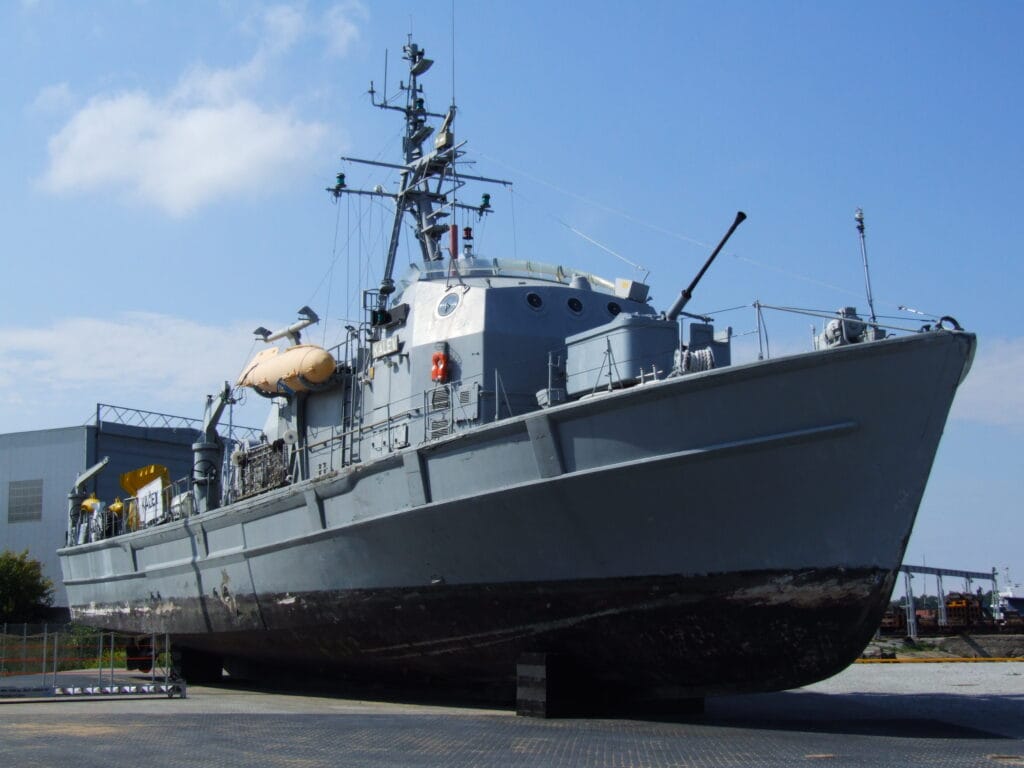
Best forMaritime history, ships, harbour heritage
Setting / nearbyEurope
Overview
The Estonian Maritime Museum is one of the most important museums in Tallinn and one of the clearest places to understand Estonia through the sea. For a country whose history, trade, defense, and cultural contacts have long been shaped by the Baltic, a maritime museum is never only about ships. It is also about geography, identity, movement, and survival. That is what gives the museum its wider significance. It helps visitors see Estonia not only as a modern nation-state, but as a society formed through harbors, routes, coastlines, naval pressures, fishing traditions, and contact with the outside world.
What makes the museum especially compelling is the way maritime history opens up so many other subjects at once. A strong maritime museum does not simply present anchors, uniforms, and ship models in isolation. It uses them to explain trade, technology, seafaring knowledge, warfare, navigation, and daily life. The Estonian Maritime Museum is especially valuable because it gives those themes a national and regional frame. Visitors come to understand how Estonia’s place on the Baltic has shaped the country’s opportunities as well as its vulnerabilities.
The museum is also rewarding because maritime history in the Baltic is inherently layered. Estonia’s sea connections have linked it to commerce, empire, occupation, independence, and international exchange. This means the museum can never be only nostalgic or technical. At its best, it becomes a museum about movement through history itself. Ships, ports, and naval objects begin to reveal much larger questions about power, identity, and the changing role of the sea in Estonian life.
For visitors to Tallinn, this makes the museum an especially useful stop. The city’s harbor, walls, towers, and trading history are already visible in the urban landscape, but the museum helps connect these outward signs into a fuller story. After a visit, Tallinn and the wider Estonian coast tend to feel more legible and more deeply rooted in the maritime world around them.
Collection Highlights
One of the greatest strengths of the Estonian Maritime Museum is the range of subjects it can bring together through maritime history. Ship models, navigational instruments, weapons, charts, uniforms, machinery, and objects linked to everyday seafaring all have a place in this kind of museum. What matters is not simply that these objects survive, but that together they reveal the practical and imaginative world of the sea. A compass, a logbook, a life-saving device, or a ship model may seem modest on its own, but in context each becomes part of a much larger picture of movement and risk.
Ship models are often among the most immediately engaging displays in maritime museums, and with good reason. They help visitors understand scale, structure, design, and technical change in a way that even large vessels sometimes cannot. In a museum setting, they become tools for explaining how ships were built, how they functioned, and how maritime technology evolved. The best of these displays are never just decorative. They are visual summaries of trade, naval ambition, fishing life, and seafaring skill.
Another major strength of a museum like this lies in its treatment of navigation and maritime labor. Instruments, charts, and equipment show that life at sea depended not only on ships themselves, but on knowledge, calculation, discipline, and routine. This makes maritime history feel more human and more precise. The sea is not only a dramatic backdrop here. It is a working environment shaped by learning, danger, and judgment.
The museum is also likely to be strongest when it shows maritime history as social history. Ports and ships are not abstract machines of movement. They are built, worked, inhabited, and remembered by people. Fishing communities, naval service, merchant crews, dock labor, and coastal families all belong to the story. This broader perspective helps the museum avoid becoming too narrowly technical and instead makes it a museum of human life shaped by the sea.
Building and Setting
The setting of the Estonian Maritime Museum adds greatly to its appeal. Maritime museums are often most effective when they are placed in buildings already tied to defensive or port history, because the architecture helps anchor the subject in place. In Tallinn, this connection between maritime story and historic urban setting is especially powerful. The city itself carries strong traces of trade, fortification, and Baltic movement, so a maritime museum here feels naturally at home.
Architecturally, this kind of museum benefits from spaces that can accommodate both large objects and smaller historical materials. Maritime collections need room for scale, whether that means large artifacts, models, machinery, or broader exhibition design. At the same time, they also need enough intimacy for visitors to study instruments, documents, and detailed objects. The museum is most rewarding when it balances these two needs well.
Its location in Tallinn also matters in a broader sense. This is a city where the sea is never far away as a historical force. A maritime museum here does not have to invent relevance. It only has to make visible what the city already carries in its streets, walls, and port areas. That gives the museum an added sense of authenticity and importance.
The atmosphere created by this setting is one of the museum’s strengths. Instead of feeling detached from its subject, the museum feels closely connected to the harbor world, the Baltic landscape, and the long history of Estonia’s contact with other shores. That relationship between museum and city makes the visit especially satisfying.
Practical Information
The Estonian Maritime Museum is best visited with enough time to move through the wider story rather than only looking for standout objects. Maritime museums can sometimes seem straightforward at first, but the strongest ones reward slower attention. Much of their value lies in the way technical, social, and national history come together over the course of the visit.
It is especially rewarding for visitors interested in Baltic history, shipping, navigation, naval history, and port cities, but it can also work very well for general travelers. The subject is accessible because ships and the sea are immediately understandable, yet the museum offers enough depth to support a more serious historical visit as well.
For travelers in Tallinn, the museum fits especially well into a broader exploration of the city’s trading and coastal past. It can work either as an introduction to Tallinn’s maritime identity or as a deeper follow-up after seeing the harbor and historic center. In both cases, it deserves real time rather than being treated as a quick stop.
Why Visit
The Estonian Maritime Museum is worth visiting because it reveals how deeply the sea has shaped Estonia. It is not only a museum of vessels and equipment. It is a museum of geography, trade, defense, knowledge, and daily life. That gives it a wider importance than the title might first suggest.
It is also worth visiting because maritime history is one of the clearest ways to understand Tallinn and the Baltic world more broadly. The museum helps visitors connect the physical city to the larger systems of movement and exchange that made it what it is. That alone gives the visit real value.
If you want a museum in Tallinn that combines technical interest, historical depth, and a strong sense of place, the Estonian Maritime Museum is one of the clearest choices. It is informative, grounded, and one of the most rewarding ways to understand Estonia through its relationship with the sea.