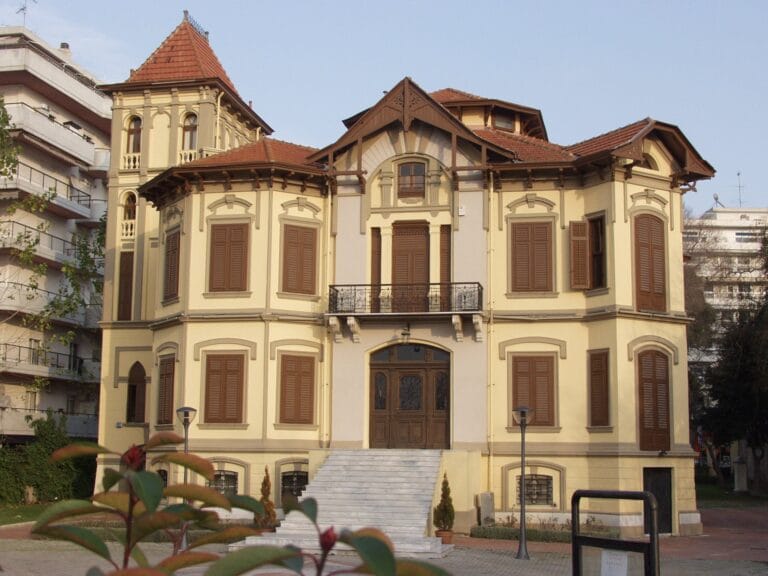
Busan Museum of Art
Art Museums · Busan, South Korea. The Busan Museum of Art presents a focused view into contemporary and modern art within South Korea and beyond. Since its opening in 1996, it has sought to engage with evolving artistic trends while…
Best forArt lovers, visual culture, architecture
Setting / nearbyBusan, South Korea
Overview
The Busan Museum of Art presents a focused view into contemporary and modern art within South Korea and beyond. Since its opening in 1996, it has sought to engage with evolving artistic trends while situating Busan as an active participant in the country’s cultural scene. Unlike museums dedicated mainly to historical or traditional art forms, this institution centres its exhibitions and collections on art from the mid-20th century forward, highlighting developments that have both local resonance and international dialogue. It serves as a platform where local artists and contemporary currents intersect but also exhibits works that reflect broader shifts in Asian and global art after the Korean War period.
Collection Highlights
The core strength of the Busan Museum of Art lies in its contemporary Korean art collection. It includes paintings, sculptures, installations, and new media works created mainly after 1950. The museum holds pieces by significant post-war Korean artists, capturing the diverse reactions to rapid industrialization, urban change, and political upheaval through various artistic approaches. While individual works may come from artists who have shown influence nationwide, the collection has a distinct emphasis on creators connected to Busan or the surrounding region, offering insight into a regional art scene that runs parallel but sometimes distinct from Seoul.
Beyond painting and sculpture, the museum has developed a noteworthy profile in photography and video art, reflecting shifts in artistic practice from object-based art to time-based and conceptual media. Exhibitions often explore contemporary issues including identity, social change, and cultural memory, sometimes with experimental or cross-disciplinary formats. This focus results in a museum deeply engaged with art that speaks to present-day concerns as well as formal innovation.
There is also an international dimension, with works by East Asian and global artists included through temporary exhibitions and occasional acquisitions. These broaden the conversation about contemporary art and connect Busan to networks of artists and movements outside South Korea. However, the museum’s permanent collection remains primarily centered on Korean art from recent decades rather than historical or classical art.
Building and Setting
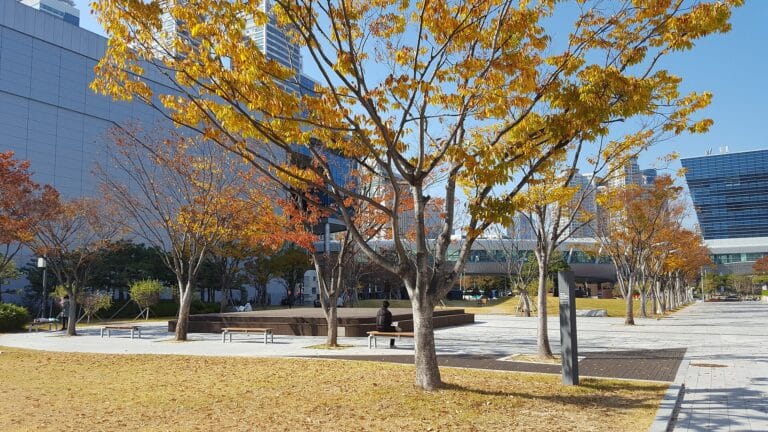
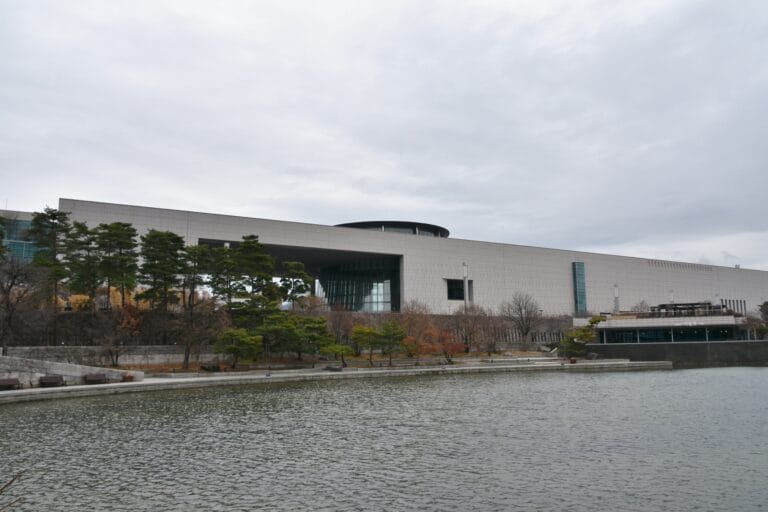
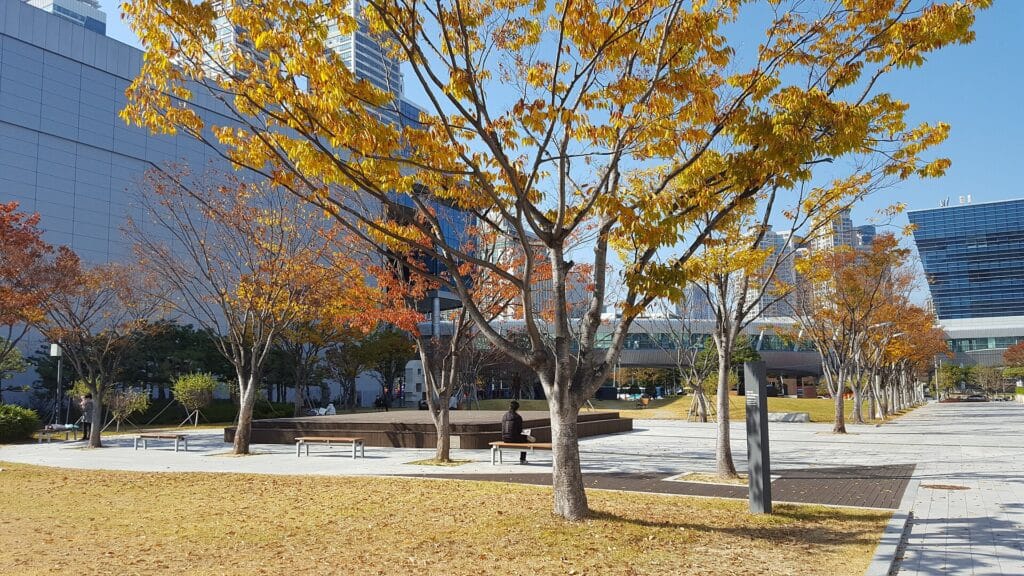
The museum’s building was purpose-built in Busan’s centric Haeundae district, designed with an open, modernist approach in mind. It reflects typical late-20th-century museum architecture with clean lines and large, flexible gallery spaces that can accommodate diverse exhibition formats. The layout facilitates both the display of sizeable installations and the organization of thematic shows or retrospectives.
Haeundae is a well-known area largely associated with its beach and urban development, and while the museum is part of this busy part of the city, it maintains a distinct cultural function. It occupies a site near public transport routes, making it accessible but also somewhat integrated within a commercial and residential mix rather than a dedicated cultural quarter. This placement underlines its role not merely as a destination for tourists but as a resource for local art audiences and residents.
Practical Information
Details such as current opening hours, admissions, discounts, and accessibility should be verified on the museum’s official website before a visit. These may change seasonally or due to special exhibitions or city regulations. The museum does organize special exhibitions that sometimes require separate admission or advance booking. Information about guided tours, audio guides, and visitor amenities is best sought directly from the museum’s resources to confirm availability and suitability.
Public transport options and parking facilities vary with the location, so checking the latest transit schedules or traffic conditions is advised. The museum often features a temporary exhibition program alongside its permanent collection, so checking what is on display in advance will help plan the visit.
Why Visit
Visiting the Busan Museum of Art rewards anyone specifically interested in contemporary Korean art from the post-war period onward, especially if they want to grasp the artistic currents that run outside Seoul’s dominant art institutions. Its focus on newer media like photography and video art can provide a fuller picture of how artists in South Korea have adapted to and commented on recent social and urban transformations. The institution’s regional emphasis offers a less Seoul-centred perspective on Korean contemporary art, which can be particularly valuable for understanding the diversity within the country’s cultural production.
For those already well-acquainted with the major modern art museums in Seoul or Tokyo, the Busan Museum of Art presents a complementary viewpoint. It does not offer a deep historical collection or classical Asian art, which means visitors mostly interested in ancient artifacts or traditional crafts may find other museums more suited to their interests. Yet for questions about recent developments in Korean art practice or regional cultural dynamics, this museum provides resources and displays that capture those conversations effectively.
The museum’s position in Haeundae situates it conveniently for combining with visits to other parts of Busan. However, it does not function as a large-scale national institution, and its exhibitions and collection policy reflect a curated, selective approach rather than aiming for encyclopedic coverage. This can feel less overwhelming and more accessible to some visitors, while others might wish for a broader or more varied permanent collection.
If your schedule and interests align with contemporary Korean art and its evolving practices, spending time at the Busan Museum of Art is worth considering. It offers a clear window into a distinct part of South Korea’s art world, balancing local focus with sensitivity to wider artistic dialogues and experimental forms emerging in recent decades.