Atelier des Lumières
Art Museums · Paris, France. The Atelier des Lumières in Paris is a digital art center devoted to the projection of large-scale multimedia exhibitions. Unlike traditional art museums or galleries, it does not hold a permanent collection of physical…
Best forMuseum lovers, culture travelers, first-time visitors
Setting / nearbyParis, France
Overview
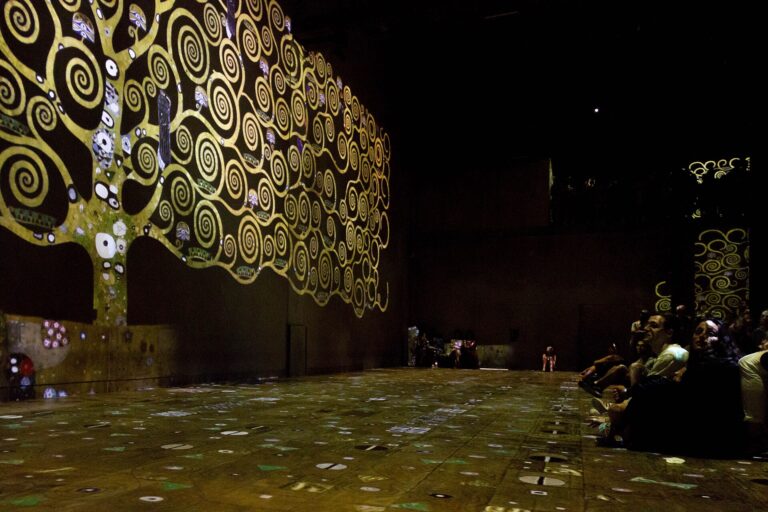
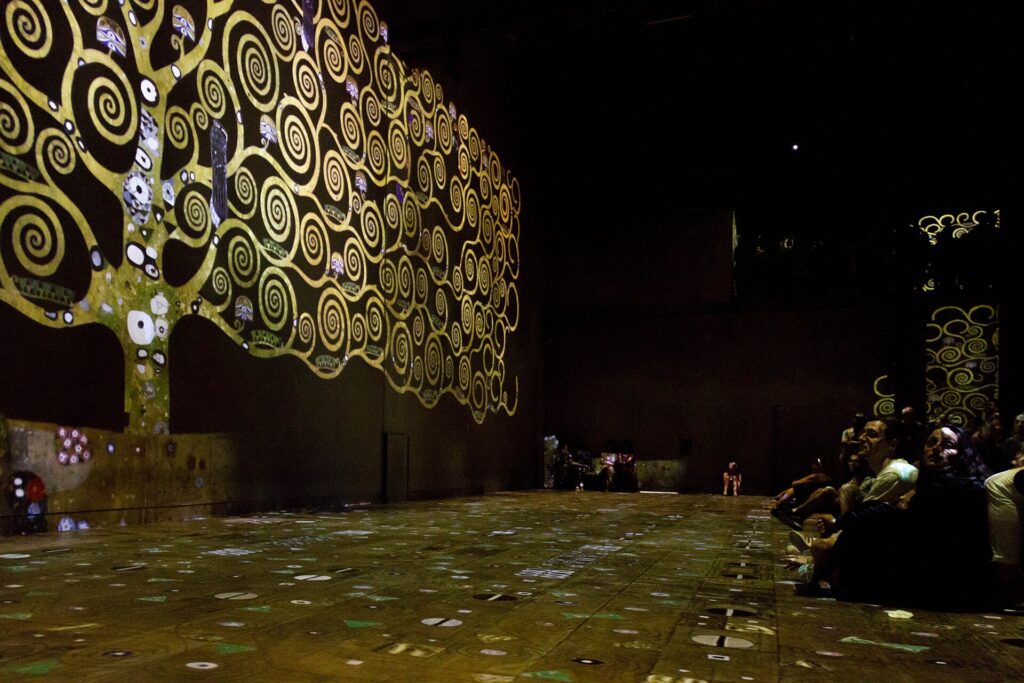
The Atelier des Lumières in Paris is a digital art center devoted to the projection of large-scale multimedia exhibitions. Unlike traditional art museums or galleries, it does not hold a permanent collection of physical artworks. Instead, it originates as a former foundry transformed into a space where artworks—mainly paintings and visual compositions—are projected onto walls, floors, and ceilings. This sets it apart from conventional Parisian art venues by focusing on new ways of experiencing art through technology and spatial immersion. The emphasis is on presenting works by major historical and modern artists in a format that encourages visitors to engage visually and emotionally with the featured oeuvre.
This venue has positioned itself at the intersection of art and digital innovation, attracting visitors interested in both visual arts and contemporary multimedia presentations. It is located in the 11th arrondissement of Paris, within an industrial building that itself hints at the area's working-class past. Though it is relatively recent in concept, opening in the late 2010s, it has quickly gained attention for the distinct experience it offers: a continually changing lineup of exhibitions that illuminate artworks in novel ways.
Collection Highlights
Since the Atelier des Lumières does not maintain a traditional collection, its highlights change with each digital exhibition cycle. Past presentations have focused on well-known artists such as Vincent van Gogh, Gustav Klimt, Claude Monet, and others. These exhibitions often feature high-resolution reproductions of the artists’ paintings, animations, and accompanying music, all arranged to transform the gallery space into a kaleidoscopic visual environment. The intention is to give visitors a multi-sensory encounter with the art, revealing details or compositional rhythms that might be overlooked in standard viewing.
For example, shows dedicated to van Gogh have allowed viewers to walk through projections of his swirling skies and vibrant sunflowers, while Klimt’s golden hues and intricate patterns have been animated into floating sequences. The venue also sometimes combines works from different artists or periods, offering thematic or stylistic juxtapositions that invite reflection on artistic movements and motifs.
Because the exhibitions rely heavily on light projection, the space becomes a temporary canvas, and the nature of the experience depends on the curatorial choices about which pieces or aspects to highlight, and how animation and sound complement the visuals. Visitors do not see original works; rather, the venue offers reinterpretations that emphasize color, shape, and atmosphere over objecthood. This approach will appeal to those curious about art through the lens of new media and digital creativity rather than traditional display methods.
Building and Setting
The Atelier des Lumières is housed in a former 19th-century iron foundry, an industrial building with high ceilings and thick walls, which creates an unusual but fitting context for its projections. This reuse of industrial infrastructure adds a layer of contrast between the historical use of the space and its current role as a site for visual and cultural production.
The building’s cavernous interior and high brick walls provide an ample surface area to accommodate large-scale projections. The architectural features—such as iron beams and expansive open floors—are incorporated into the experience, sometimes visible amid the imagery, which can heighten the sensation of immersion. This kind of setting is not a traditional white-cube gallery, so the atmosphere is darker, more theatrical, and more elemental.
Located in a part of Paris known for its history of artisans and manufacturing, the atelier ties contemporary digital art back to the area’s heritage of craftsmanship and industry, albeit in a very different mode. It is well connected to the city’s public transport networks, situated near several metro stations, making it accessible for visitors staying elsewhere in Paris or visiting as part of a cultural itinerary.
Practical Information
Since the Atelier des Lumières relies on timed exhibitions and has a specific operational setup, potential visitors should consult the official website to check the latest information about opening hours, current exhibitions, ticketing requirements, available languages for any visitor materials, and accessibility. Policies regarding photography and the use of mobile devices within the space may vary depending on the exhibition.
Because the experience involves standing and slowly moving through a dimly lit area with projected images on all sides, it may be less suitable for those with certain sensory sensitivities or mobility challenges. Families with young children may wish to consider the exhibition content and length of visit beforehand. Seating may be limited or arranged differently depending on the exhibition in place.
Advance booking might be recommended during periods of high visitor volume, particularly on weekends or during school holidays. Visitors should also be aware that the content is by nature ephemeral; exhibitions run for several months but change regularly, so experiences will differ over time. The venue does not offer a permanent exhibition, which can be a limitation for those hoping to see traditional, physical artworks.
Why Visit
Visiting the Atelier des Lumières in Paris offers a distinct experience compared to typical art museums. For those interested in the intersections of technology and culture, it presents how digital projection can reshape engagement with art and visual storytelling. The immersive environment harnesses scale, light, and sound in a way that highlights the emotional and atmospheric qualities of the featured artists’ work. It provides a fresh angle for appreciating well-known masterpieces by allowing visitors to “step inside” the art rather than viewing it behind glass.
That said, the venue suits visitors who are open to non-traditional interpretations of art. It is not the place to see original paintings or sculptures, nor does it offer the detailed historical context found in more established museums. Instead, it serves as a supplementary experience—one that can enhance understanding, appreciation, or interest in artists and movements through an experimental medium.
The Atelier des Lumières can be a good fit for those who enjoy audiovisual shows, people curious about digital art trends, and visitors looking for something different from the conventional museum visit. Its setting in an industrial building repurposed for cultural use adds to the appeal, creating a contrast between old structure and new media.
On the other hand, some art purists or visitors expecting traditional museum artifacts might find the absence of originals a drawback. The experience depends heavily on personal preference for digital and sensory-heavy exhibitions. Those who prefer quiet contemplation and detailed study of works may wish to complement this visit with time spent at neighboring traditional museums.
In conclusion, the Atelier des Lumières offers a notable example of a contemporary art space shaped by technology and innovation. It reflects changing ways of presenting and experiencing art in the 21st century, inviting visitors to consider how form, color, and music can combine in an environment unlike standard galleries. For visitors to Paris with an interest in visual arts and new kinds of museum experiences, it can be a rewarding addition to a trip, provided expectations are aligned with its unique approach. Checking current exhibitions and visitor information before planning a visit will ensure a well-prepared and informed experience.