Astrup Fearnley Museum
Art Museums · Oslo, Norway. The Astrup Fearnley Museum is a contemporary art museum located in Oslo, Norway. It is dedicated to showcasing international contemporary art, reflecting current themes and artistic expressions from around the world. Founded and supported…
Best forMuseum lovers, culture travelers, first-time visitors
Setting / nearbyOslo, Norway
Overview
The Astrup Fearnley Museum is a contemporary art museum located in Oslo, Norway. It is dedicated to showcasing international contemporary art, reflecting current themes and artistic expressions from around the world. Founded and supported by the Astrup Fearnley family, the museum operates as a private foundation with a focus on modern creative practices. Its collection and exhibitions emphasize artists who challenge conventional boundaries and engage with contemporary issues.
Situated near the waterfront in the Tjuvholmen neighborhood, the museum is part of Oslo’s ongoing cultural development in this area, blending art, architecture, and urban life. It stands apart from Norway’s more traditional institutions by concentrating solely on recent and current artistic production, providing a platform for a changing dialogue with art in the 20th and 21st centuries.
Collection Highlights
The museum’s collection concentrates on international contemporary art with an emphasis on works from the late 20th century to the present day. It includes paintings, sculptures, installations, photographs, and video art from a diverse group of artists, many of whom are recognized pioneers or influential figures in contemporary art. The collection balances established artists with emerging voices, emphasizing innovation and exploration.
Among the notable themes and approaches represented in the collection are conceptual art, postmodernism, and engagements with urban and social environments. The museum is known to hold significant works by prominent artists who have mattered to recent art history, offering insights into global trends beyond Norway’s borders. While specific pieces may rotate within exhibitions, the collection promotes a dynamic encounter with contemporary concerns, aesthetics, and media.
Additionally, the institution has supported temporary exhibitions that bring international dialogue to Oslo, often featuring large-scale projects and installations that benefit from the distinctive architectural spaces designed for such presentations. This approach allows visitors not only to see the collection but to experience contemporary art in an evolving, temporal context.
Building and Setting
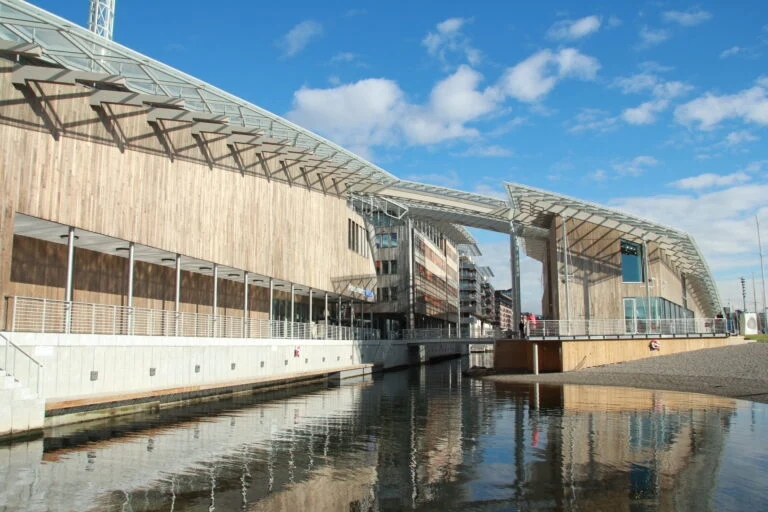
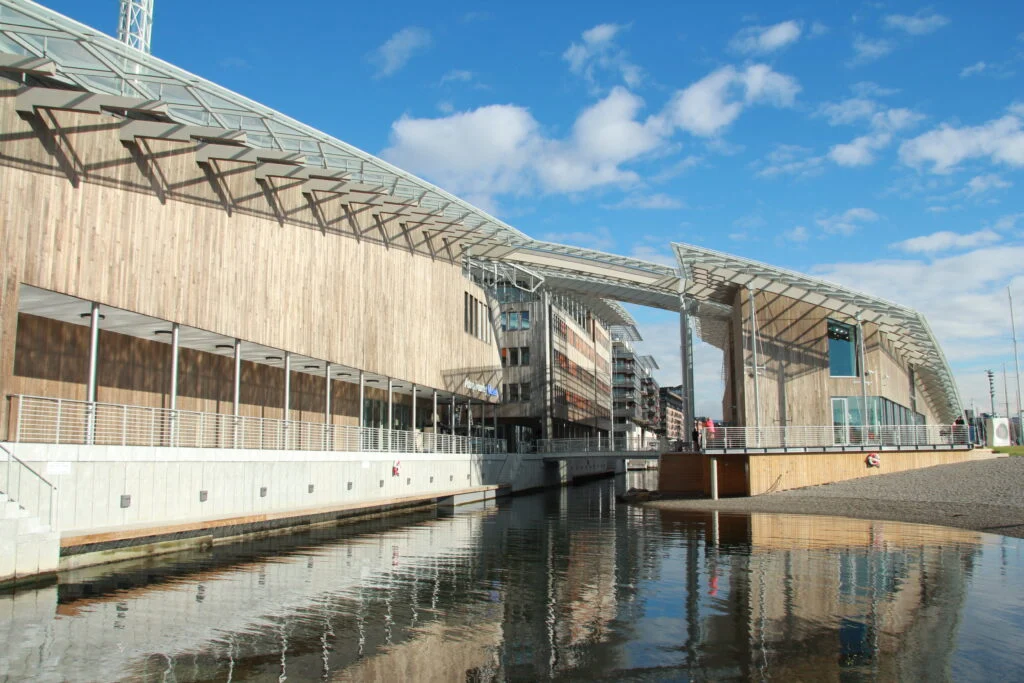
The Astrup Fearnley Museum is housed in a building designed by Renzo Piano, an architect well-known for projects that interact thoughtfully with their surroundings. The structure sits along the Oslo fjord waterfront in Tjuvholmen, creating a visual and spatial connection between the museum and the water.
The design of the museum emphasizes natural light, open spaces, and a clear flow through the galleries, which supports the display of contemporary art that often involves large or unconventional formats. Its light and airy character contrasts with some of the denser urban settings in Oslo, providing an inviting environment to consider art in a relaxed atmosphere.
The museum’s setting in a redeveloped dockside area reflects Oslo’s recent urban transformations, where new residential, commercial, and cultural facilities coexist. Visitors can enjoy views of the fjord, and the immediate neighborhood encourages a combination of cultural engagement with leisure and urban exploration.
Practical Information
For those considering a visit, it is advisable to refer to the Astrup Fearnley Museum’s official website to confirm the latest information on opening hours, admission charges, special exhibitions, booking procedures, accessibility options, and any available guided tours or audio guides. Museums that focus on contemporary art often change exhibitions and programs frequently, so checking current details is essential for planning.
The museum’s location in Tjuvholmen means it is accessible by public transport and walking routes from central Oslo. The surrounding area is pedestrian-friendly and connects to other cultural and recreational points nearby. However, anyone traveling by car should verify parking availability and regulations in advance.
Be aware that the museum’s exhibitions may include works with challenging themes or media that are typical of contemporary art; visitors looking for a traditional or historical art experience might find the focus here more specialized. The collection’s concentration on recent art means that it reflects ongoing conversations and sometimes experimental approaches rather than comprehensive art historical surveys.
Why Visit
Choosing to visit the Astrup Fearnley Museum offers an opportunity to engage directly with contemporary art as it is produced and presented today. Unlike institutions that prioritize classical or historical art forms, this museum focuses exclusively on works that provoke, question, and reflect the current moment. This makes it a valuable place for those interested in how art interacts with contemporary society, culture, and ideas.
Visitors who appreciate architecture will also find the building itself noteworthy. The design complements the collection by inviting interaction between art, space, and light in a way that enhances the appreciation of both. The museum’s location by the water adds a scenic element that is uncommon among urban art institutions.
While the museum’s programming can be intellectually stimulating, it may not offer the traditional art museum experience expected by all. It is particularly suited to visitors who welcome contemporary art’s diversity and openness to new forms and messages. Those interested in the cultural developments in northern Europe, as well as global contemporary art trends, will find the museum an insightful and thought-provoking destination.
In summary, the Astrup Fearnley Museum stands as an important node for contemporary art in Oslo, presenting changing exhibitions and a collection focused on today’s artistic landscape. It suits visitors looking for a distinct encounter with art that addresses the present world and its complexities. Prospective visitors should consult official sources to prepare fully for their visit, but can expect a distinctive environment for exploring contemporary visual culture.