
Magdalena Museum Unveils Vast Collection of Vintage Telescopes Celebrating Astronomys Legacy
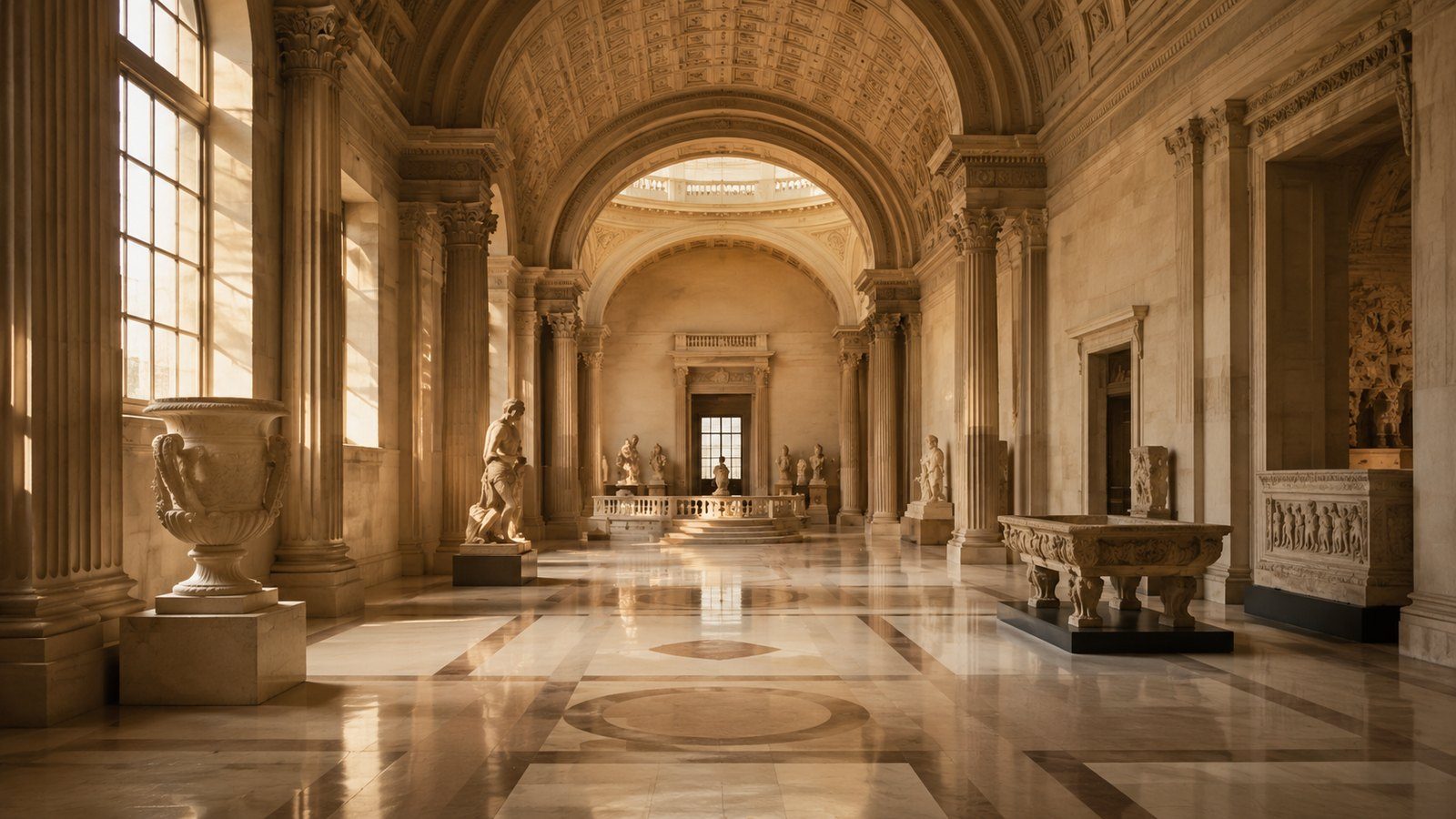
Nestled in the quiet town of Magdalena, New Mexico, a recently expanded museum has become a remarkable sanctuary for the history and wonder of astronomy. This new addition to the local cultural scene has quickly garnered attention for its impressive collection of vintage telescopes and related instruments, which together narrate the evolution of stargazing technology from the earliest rudimentary devices to more sophisticated contraptions that marked milestones in our understanding of the cosmos.
The museum’s transformation into an astronomy-focused hub feels like a timely gift to both the scientific community and curious visitors. It celebrates humanity’s enduring fascination with the stars, and it does so with warmth and care that make the experience deeply personal. Every telescope on display is not just a machine but a story — tales of discovery, of late-night vigils beneath moonlit skies, and of the persistent quest to capture the heavens in ever-clearer detail.
Walking through the museum’s gallery, visitors encounter an array of instruments collected over decades, many of which have provenance tying them to famed astronomers and astronomic observatories. The charm of the collection lies not just in its variety but in its ability to transport visitors across different epochs of scientific advancement. From early brass refractors that look almost like delicate works of art, to bulky radio telescopes hinting at the mid-20th century’s leaps into the invisible frequencies of space, the exhibition is a tangible timeline of our technological ingenuity.
One particularly striking feature of the museum is its preservation efforts, which have ensured that many of the telescopes remain in functionally good condition. This not only preserves physical artifacts but maintains a living connection to the practices of amateur and professional astronomers alike. Visitors frequently find themselves lingering over some of the instruments, imagining the skies they once explored through those very lenses.
Beyond the objects themselves, the museum offers a narrative about local and regional contributions to astronomy. It acknowledges how communities in New Mexico have been both witnesses and participants in astronomical history, partly due to the region’s clear skies and long-standing interest in celestial observation. This local pride adds a special dimension to the museum, making it a must-visit for those who appreciate the intersection of place and discovery.
Furthermore, the museum’s layout and curation invite an intimate experience — rather than overwhelming visitors with sheer volume, the space encourages contemplation. Informational plaques are thoughtfully written and accessible, mixing scientific explanations with anecdotes that make the technology approachable. This attention to detail speaks to a curatorial vision centered around engagement and education rather than mere display.
This growing repository of telescopic heritage honors the legacy of stargazers who saw in the night sky more than just distant lights, but gateways to understanding our universe and ourselves. For the people of Magdalena and for visitors from afar, the museum stands as a heartfelt reminder that the curiosity sparked by those old lenses continues to inspire new generations, proving that the journey to the stars is both deeply historical and vibrantly alive.
In an era dominated by digital and virtual experiences, this physical collection of telescopic treasures offers a refreshing, tangible link to the wondrous past of astronomy. The Magdalena museum is not just a keeper of artifacts; it’s a heartfelt “gift to astronomy,” warmly inviting all who enter to pause, gaze, and dream under the same stars that captivated scientists centuries ago.
Join the discussion
Share a thoughtful museum note, correction, or visitor perspective about this article.