
Israeli-American architect transforms Holocaust Museum LA, where memory meets life.
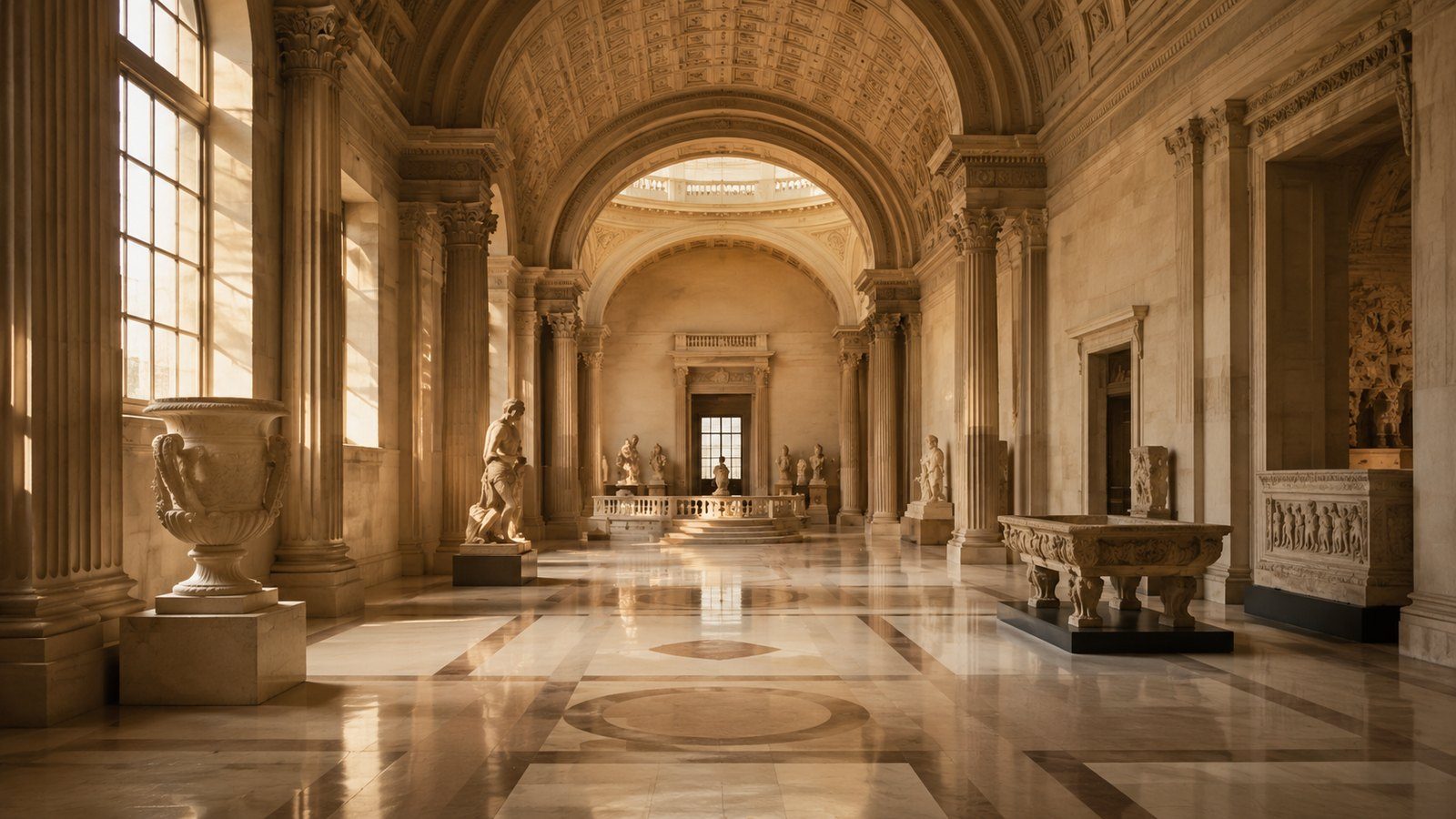
In the heart of Los Angeles, a significant transformation is underway at the Holocaust Museum LA, made possible through the visionary efforts of an Israeli-American architect whose work redefines how history, memory, and contemporary life can coexist within a museum space. This ambitious project, unveiled in 2026, is not just a redesign but a profound reimagining of what a Holocaust museum represents in today’s world—bringing a renewed focus on remembrance that is deeply intertwined with the vibrancy of life and the urgent lessons of humanity.
The architect, who carries a unique bicultural perspective shaped by their Israeli-American identity, approached this project with a mission to create a museum that transcends traditional modes of memorialization. Instead of isolating the Holocaust as a distant, static chapter in history, the redesigned museum invites visitors to engage actively with the legacy of those who suffered and survived, linking the past with the present and the future. This approach marks a thoughtful departure from the solemn, often heavy atmosphere typical of many Holocaust memorials, aiming instead for a living, breathing space where memory and current life experiences intersect.
Central to the redesign is a masterful use of light and space, which the architect uses symbolically to underscore themes of hope, resilience, and remembrance. Visitors moving through the museum experience a carefully calibrated journey—from areas of quiet reflection to spaces filled with openness and natural illumination—emphasizing the spectrum of human experience during the Holocaust, as well as the enduring spirit that survived. This physical manifestation of light and shadow cleverly mirrors the emotional landscape the museum seeks to convey.
Moreover, the layout integrates technology and interactive exhibits in subtle, meaningful ways that avoid overwhelming the emotional gravity of the subject matter. Instead, these elements serve as bridges between generations, allowing younger visitors who may be more accustomed to digital engagement to connect more deeply with the stories presented. At the same time, these modern components invite dialogue and reflection, encouraging visitors to consider the relevance of the Holocaust in contemporary society and its lessons for combating hatred and intolerance today.
The museum’s outdoor spaces are also an integral part of the transformation, with thoughtfully designed gardens and contemplative areas that blend urban alive-ness with natural serenity. These spaces offer visitors a moment to pause and internalize the museum’s narratives through personal reflection within a peaceful environment. This thoughtful integration of indoor and outdoor realms enhances the overall experience, ensuring the museum is not a place of mere observation but one of personal and collective engagement.
This project sets a notable example of how cultural institutions dedicated to tragic historical events can evolve to remain meaningful in changing times. In an era when the world still confronts rising challenges related to discrimination, xenophobia, and violence, the Holocaust Museum LA’s renewal emphasizes the importance of education through empathy and connection. The architect’s work helps to remind us that museums are not frozen in time but dynamic spaces where history can meet life, memory can inspire action, and the past can inform a more just future.
Reactions from visitors and scholars alike have reflected a strong appreciation for this delicate balance between solemn remembrance and hopeful vitality. Many have noted that the museum’s new design encourages not only understanding but also a kind of emotional engagement that feels both intimate and expansive. By fostering this connection, the museum strengthens its role as a beacon of memory and a call to humanity’s better angels.
In all, the transformation of the Holocaust Museum LA under this Israeli-American architect’s guidance is a powerful testament to how spaces of memory can be revitalized with creativity, compassion, and vision. It offers a way forward for museums worldwide that must grapple with the task of honoring painful histories while inspiring hope and positive action in the present age. As visitors continue to navigate this thoughtfully reimagined space, they are invited to carry both the weight and the light of history into their own lives and communities—a profound reminder that memory is never a burden but a foundation for life.
Join the discussion
Share a thoughtful museum note, correction, or visitor perspective about this article.