
Horse sculptures gallop into National Art Museum of China – China Daily – Global Edition
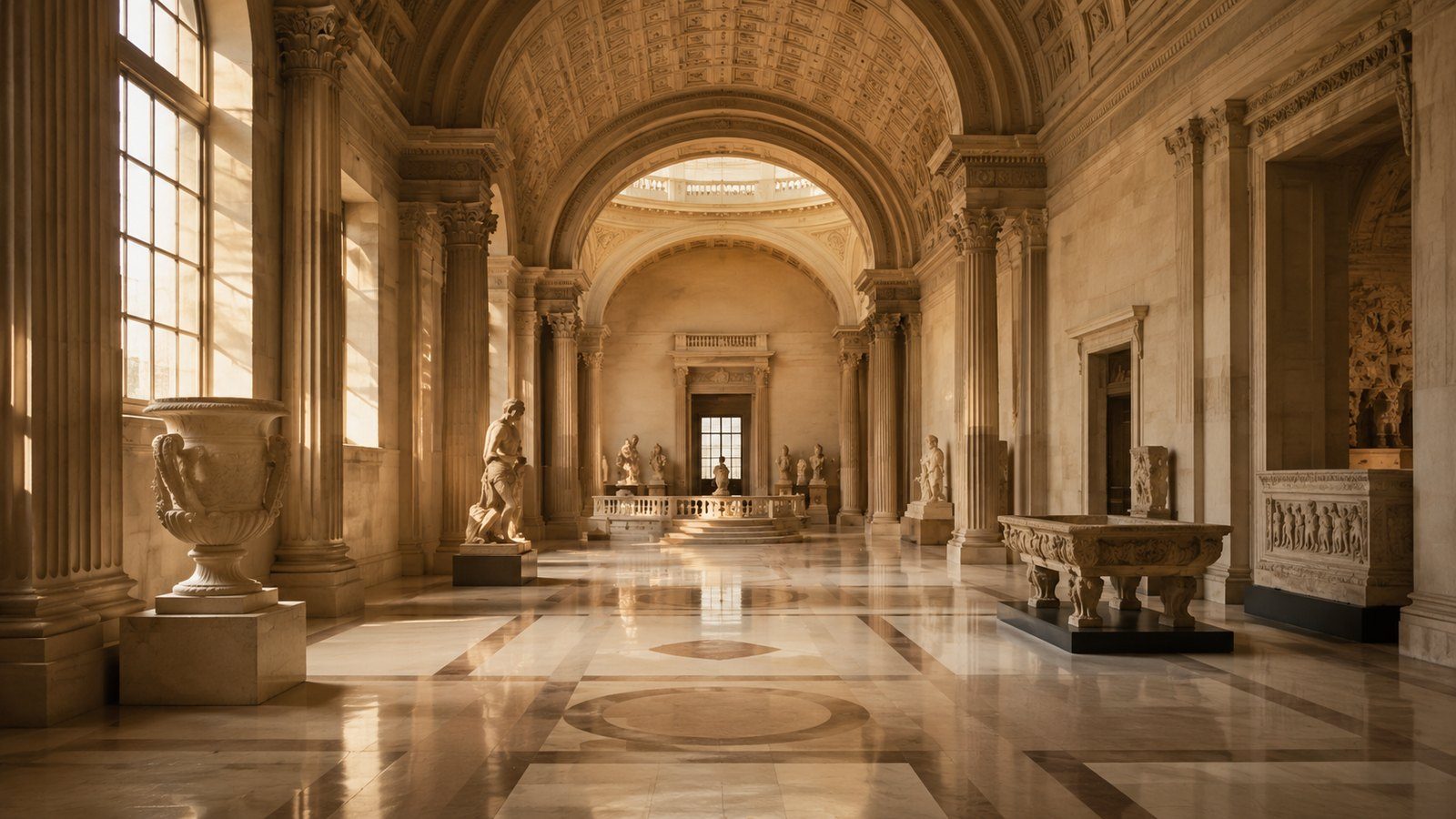
In a vibrant celebration of history and artistry, the National Art Museum of China (NAMOC) has welcomed a captivating new exhibition centered on the dynamic theme of horse sculptures. This invigorating display gallops into the heart of the museum, blending traditional craftsmanship and cultural heritage with a contemporary appreciation that resonates deeply with visitors from around the world. The exhibition arrives at a moment when global audiences are increasingly interested in how cultural symbols such as the horse bridge the artistic past with the present.
The horse holds an especially revered place in Chinese art and history, symbolizing strength, freedom, and nobility across centuries. The newly unveiled sculptures at NAMOC emphasize these qualities through a range of artistic interpretations, from ancient influences to modern aesthetic expressions. Visitors are greeted by an array of sculptures that seem to capture not just the form of the horse but also its indomitable spirit. The lively sense of movement and vitality in the works invites viewers to feel the power and grace horses traditionally embody.
The collection showcases sculptures crafted from diverse materials including bronze, ceramics, and stone, reflecting the evolution of artistic techniques and cultural priorities over time. Some pieces echo the style of famous Chinese dynasties, recalling the intricate horses of the Tang dynasty with their robust and naturalistic forms. Others adopt a more abstract, contemporary flair, demonstrating how artists today continue to reinterpret the horse motif with fresh perspectives and experimental approaches.
What makes this exhibition particularly compelling is the way it underscores the horse’s role beyond mere representation. Horses in Chinese culture have long been associated with mythology, imperial power, and spiritual symbolism. The exhibition thoughtfully connects these historical dimensions, allowing visitors to deepen their understanding of the horse’s multifaceted identity. For example, certain sculptures evoke the legendary “Flying Horse of Gansu,” an ancient bronze statue renowned for its sense of motion and elegance, which remains a symbol of cultural pride and artistic excellence.
The museum’s curatorial team has artfully arranged the pieces to create a narrative journey, leading viewers through eras and moods that celebrate the horse’s cultural significance. The layout encourages reflection on how the animal has inspired artists in different ways, whether as a subject of royal portraiture or as a symbol of endurance and aspiration. Informative panels and multimedia components enrich the experience by providing context and highlighting artistic details that might otherwise go unnoticed.
Enhancing the exhibition’s appeal, NAMOC has incorporated educational programs and events that engage diverse audiences. Workshops led by contemporary sculptors offer deeper insights into the creative process behind these remarkable works. Family-friendly activities invite younger visitors to connect with the exhibition through interactive storytelling and hands-on crafts inspired by the horse’s image. These initiatives foster a lively dialogue between the art, the public, and the enduring cultural values represented by the horse.
The arrival of these horse sculptures at the National Art Museum of China feels both timely and timeless. In a world where cultural heritage and artistic innovation often find themselves in delicate balance, this exhibition exemplifies how museums can serve as bridges connecting past traditions with present creativity. It is a vivid reminder of the horse’s enduring allure and its remarkable ability to gallop through time, inspiring artists and audiences alike.
As visitors progress through the exhibition, they are likely to leave with a renewed appreciation for the horse’s place not just in Chinese art, but in our shared human imagination. This celebration of sculptural artistry affirms that the power of the horse remains as potent today as it was thousands of years ago—still capturing the human spirit’s longing for movement, freedom, and beauty.
In these sculptures, frozen moments of galloping horses seem alive once more, inviting viewers at NAMOC to witness the poetic dialogue between history, culture, and artistic expression. This exhibition will surely stand as a memorable highlight in the museum’s ongoing mission to bring global cultural treasures and stories closer to all who enter its doors.
Join the discussion
Share a thoughtful museum note, correction, or visitor perspective about this article.