
Hood Museum gives voice to ‘the many’ through America 250 exhibition series – The Dartmouth
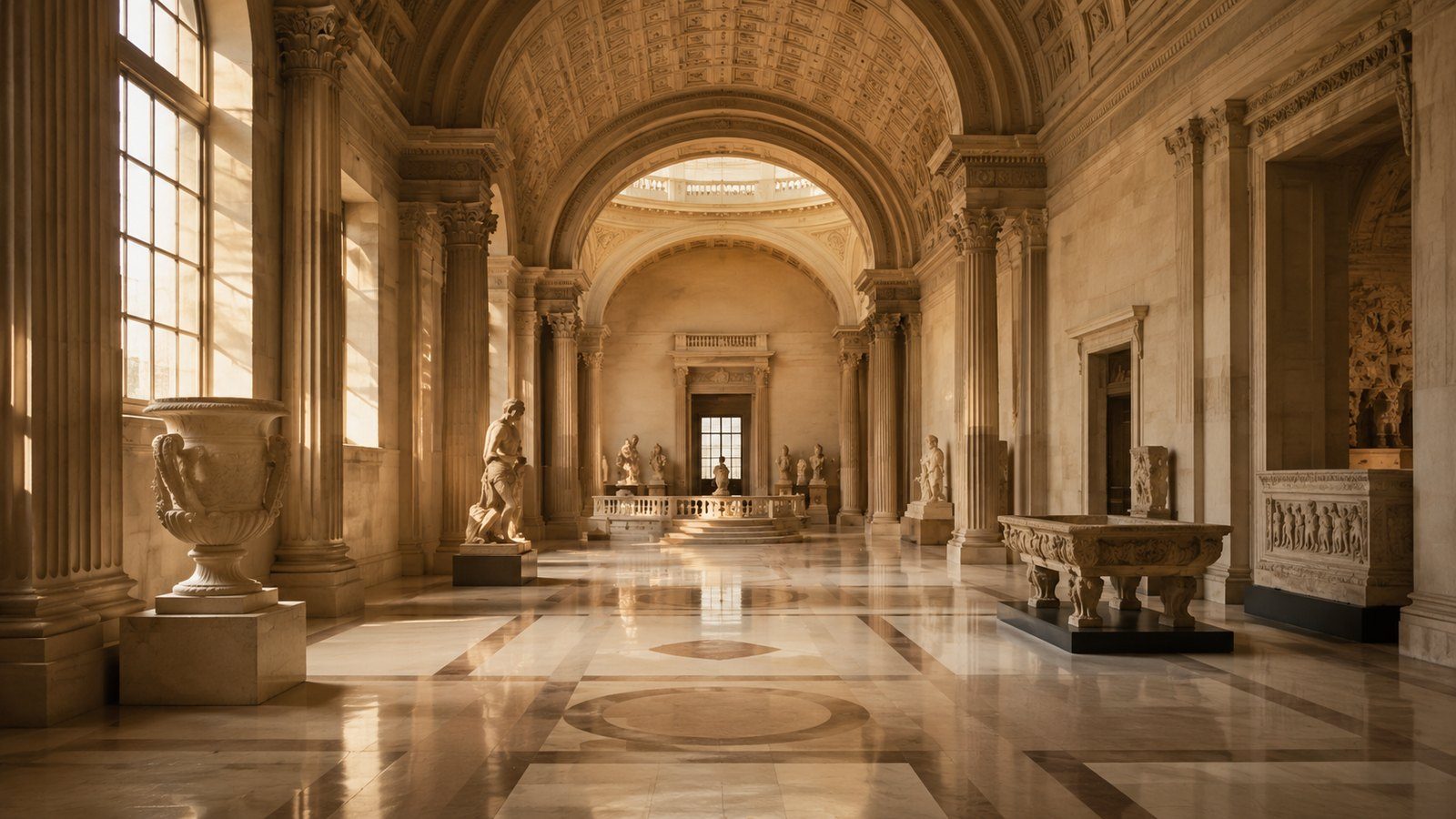
The Hood Museum of Art is embarking on a thoughtful journey to amplify the stories of those often overlooked in mainstream historical narratives with its timely America 250 exhibition series. As our nation approaches a significant milestone, commemorating 250 years since the Declaration of Independence, this series steps beyond traditional celebrations. It chooses instead to highlight the diverse voices and complex experiences that have shaped America’s past and continue to influence its present. The museum’s approach is both respectful and expansive, inviting visitors to engage deeply with the multifaceted history of a nation still grappling with its ideals and realities.
Rather than presenting a singular or celebratory narrative, the Hood Museum’s America 250 exhibitions focus on the “many” who have contributed to and been affected by the country’s development—indigenous peoples, enslaved Africans and their descendants, immigrants, women, and other marginalized groups. This inclusive framework challenges visitors to reconsider the often simplified stories of American history and encourages a more nuanced understanding of the forces at play over two and a half centuries.
At the heart of this series is a commitment to dialogue and reflection. The museum has worked closely with Dartmouth College’s community and beyond to bring together a rich collection of artworks and artifacts, accompanied by compelling narratives. These presentations do not shy away from difficult questions about identity, power, displacement, and resilience. Instead, they foreground these themes, prompting museum-goers to reflect on the ongoing legacies of exclusion and struggle. This engagement is not just about looking backward but also about thinking critically about the present and future of the American experiment.
One of the remarkable aspects of the Hood’s approach is its emphasis on the voices of indigenous communities. Often marginalized in the national story, indigenous perspectives are given prominence here, highlighting centuries of survival and cultural persistence despite colonization and displacement. The exhibitions responsibly incorporate indigenous artworks and storytelling traditions, centering these narratives as foundational to understanding the country’s history. This is a powerful corrective to traditional museum narratives that have frequently sidelined such viewpoints and serves as a call to recognize and honor these communities as integral to America’s fabric.
Equally important is the museum’s spotlight on African American history and culture. By presenting works and documents that trace the impact of slavery, emancipation, segregation, and the ongoing fight for civil rights, the exhibition series offers a candid and profound exploration of these lived experiences. The material chosen helps visitors appreciate the resilience, creativity, and leadership of African Americans as they navigated and challenged systemic injustices. This focus adds crucial layers and texture to the story of America, resisting any notion that the country’s history is linear or monolithic.
The curatorial teams have taken full advantage of the museum’s collections, complemented by loans from other institutions and collaborations with artists and scholars, to create exhibitions that are visually engaging and intellectually stimulating. The use of personal stories, poetry, letters, and a variety of media enriches the visitor experience, encouraging empathy and connection. The museum’s spaces are designed to invite conversation, and the programming around the America 250 series includes panel discussions, workshops, and educational events aimed at fostering community dialogue. This thoughtful integration of exhibition and outreach makes the Hood a vibrant site of ongoing cultural reflection.
The timing of this initiative could not be more significant. As the United States marks 250 years, it also faces critical questions about unity and division, memory and identity. The Hood Museum’s decision to center “the many” rather than a singular national myth offers an inspiring model for how museums can participate in the public reckoning with history. By honoring complexity and promoting empathy, the America 250 series at the Hood encourages visitors—and the broader public—to engage in a more inclusive and honest conversation about the country’s past and its future.
In a cultural moment when history itself often becomes contested ground, the Hood Museum of Art’s America 250 exhibition series stands out as a courageous and welcome contribution. It reaffirms the power of museums not only to preserve and showcase art but to serve as spaces where difficult truths are acknowledged, diverse stories are elevated, and collective understanding is deepened. For anyone interested in a thoughtful and layered exploration of America’s identity, the Hood’s series offers a valuable and enriching experience, reminding us that history belongs to all of us, not just the select few.
Join the discussion
Share a thoughtful museum note, correction, or visitor perspective about this article.